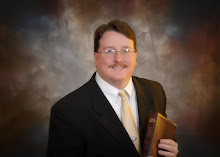
Recently I have been thinking a lot about how God leads His followers to do this or to do that. Often as Christians, we say that we "feel led" to do something, but we can't explain that feeling. I have that made that statement many times lately concerning what our family is preparing to do. We are packing our belongings in order to move from the Outer Banks of North Carolina to the middle of Tennessee, where I will pastor a different Church. My wife and I have not made that decision hastily or easily. It greatly saddens us to leave our current home and Church family, but we believe that God has led us to do so. You may ask, "How can you know for sure?" Well, God's Word is both the explanation and the source for knowing God's Will as a certainty.
The writer of Proverbs gave us a clue to understand the Lord's direction. He wrote, "A man's heart plans his way, but the LORD directs his steps." (Proverbs 16:9, NKJV) The Hebrew word that is translated as "heart" (leb) portrays the seat of human emotion and thinking, or the mind. Our thoughts are often so intertwined with our emotions that they are indistinguishable, but our thoughts and our feelings play a big role in every decision we make for good or ill. That is why they must be properly understood before they can be used in following God's Will.
Emotion is said to be the most shallow part of our nature and God does not want to simply work in the shallows of our lives. But does that mean that feelings have no part to play in determining God's Will? Well, that depends on whether those feelings are under control or out of control. Our feelings can deceive us, if not brought under the control of the Holy Spirit. On our own we cannot have right feelings or right thoughts without God's help. That is why David prayed to God, "Let the words of my mouth and the meditation of my heart be acceptable in Your sight, O LORD, my strength and my Redeemer." (Psalm 19:14, NKJV) As our Redeemer, Jesus provided all the strength that we need to have right feelings and right thoughts that will lead to right actions in following Him. Paul explained, "Or do you not know that your body is the temple of the Holy Spirit who is in you, whom you have from God, and you are not your own? For you were bought with a price; therefore glorify God in your body and in your spirit, which are God's." (1 Corinthians 6:19-20, NKJV) The sacrifice of our Redeemer paid the necessary price for our lives to be remodelled into temples, where the Holy Spirit can dwell and give us His guiding strength! We have the responsibility of living in that strength so that His Will is done.
It has been said that God gave us a brain so that we would use it, but our reasoning alone cannot find the logic in God's Will. Unless we see those things that God leads us to do from His perspective, they may not appear to be the logical choice. When we seek to see things from His perspective and plans, we will come to understand that no other choice is reasonable except the one He has led us to make. The Bible tells us to bring "every thought into captivity to the obedience of Christ" (2 Corinthians 10:5b, NKJV). When all is said and done, the decision must ultimately be made based on whether or not it is something that must be done to remain obedient to God, regardless of whether it seems logical or feels right.
We have made the rational and emotional decision to move to Tennessee and are planning our "way" accordingly, but there is another element to what was said in Proverbs 16:9 that brings comfort and assurance in this time. The Bible says that "the LORD directs" our "steps" (Proverbs 16:9, NKJV). That word that is translated as "directs" (kun) literally means "to fix, or prepare" in the form in which it is found in this verse. The idea is that God has determined the course we need to take in life and has prepared us to follow that course. To step out in the direction that God has determined for our lives, is to move out on the expedition that He has already made great provision for. What could be more logical or feel better than to follow God's direction and experience Him accomplishing what He intended to do with your life? So far in my own personal experience, I would say that nothing comes close to the amazing adventure of following God's Will, even though it is not always easy or comfortable to do so. The way is clear before us and the time has come to trust Him enough to embark once again.
To our Church family at Sladesville Missionary Baptist Church, we love you all and are thankful that God sent us to serve Him with you. It has a been a great pleasure and an honor to live among such fine, Christian people. The motto that is on the welcome sign to Hyde County, North Carolina, simply says, "Welcome to Hyde County, the road less traveled." We saw the truth in those words, but we can also say that those who do not ever travel that road have missed out on a wonderful experience. As that road leads us away from Hyde County, please remember that we pray that God will continue to bless you all and your efforts for Him there. With Paul we say, "Now to our God and Father be glory forever and ever. Amen." (Philippians 4:20, NKJV)
"Lord God, we truly want to glorify Your high and holy name in all that we do. Please help us to always follow Your direction, walking in the steps of Jesus our Redeemer. May Your plans be accomplished in our lives and in the lives of all Your children. Amen."
Friday, May 25, 2007
Wednesday, April 11, 2007
The Seventy Week Countdown
What is often referred to as Daniel’s prophecy of the “seventy weeks” is actually a recording of the angel Gabriel’s message to Daniel from God, which is found in Daniel 9:24-27. The significance of this message is seen in the events that are described, as well as in the end result of those events. At the very beginning of this message, Gabriel briefly explains to Daniel what the “seventy weeks” will result in, saying, “Seventy weeks have been decreed for your people and your holy city, to finish the transgression, to make an end of sin, to make atonement for iniquity, to bring in everlasting righteousness, to seal up vision and prophecy and to anoint the most holy place.” (Daniel 9:24, NASB) Taken at face value, as well as out of context, one would think that these things would occur within “seventy weeks” from when Gabriel delivered the message to Daniel, placing their fulfillment just short of a year and a half later. Of course, none of the events described in Gabriel’s message, nor their end result occurred that next year. But that does not mean that the message was wrong in its timing, or in what it promised.
This message concerning “seventy weeks” is actually a gauge for timing the fulfillment of some of the most important prophecies of the Bible. At points this gauge is very precise in timing events, while at other points it is somewhat vague, but what is precise and what is vague are both clearly identified as such. This gauge provides a count down to events from the rebuilding of Jerusalem to the coming of the promised Messiah. It also provides a basic time frame for the death of the Messiah, for a second destruction of Jerusalem, and for the coming of the ultimate enemy of God’s people, the Antichrist. But this gauge is useless, if one does not know how to read it.
The first key to understanding the “seventy weeks” is coming to understand that it does not refer to “weeks,” but rather “weeks” of years. In fact, the Hebrew word “shabua” that is translated as “weeks,” can be translated as either a time period of seven days or seven years. Most modern readers have never heard of a week of years, but God’s people were acutely aware of such a thing. A crucial part of God’s law, as well as their own national history, educated them in its meaning. God had told the Children of Israel to keep a “sabbath year” every seventh year, reminiscent of the “sabbath day,” but this time of rest was to be for “the land” (Lev. 25:2-4). God actually warned them that, if they did not obey His commandments, He would exile them from the land and that the land would then “rest and enjoy its sabbaths” in their absence (Lev. 26:34-35). When this judgment was soon to come to pass, Jeremiah warned them that they would be exiled to Babylon and that “the land” would be desolate for “seventy years” (Jer. 25:11). In 2 Chronicles 36:19-21, the Bible describes the fulfillment of Jeremiah’s prophecy, pointing out that both the desolation and exile would last “seventy years” to account for each “sabbath year” that they neglected to keep. In other words, they were to be punished for “seventy years” because they neglected to keep the “sabbath year” for a total of “seventy weeks” of years.
That God chose a total of “seventy weeks” of years to count down the events of Daniel 9:24-27, reveals its indirect connection to Israel and Judah’s history. But there is also a direct connection between the seventy year exile and Gabriel’s message to Daniel. Gabriel delivered the message concerning the “seventy weeks,” when Daniel had been praying about his people returning from their seventy year exile (Daniel 9:1-19). In fact, the seventy-year exile would end when the “seventy weeks” started counting down, because what would trigger the countdown would also end their exile.
Daniel was given a very precise time for the occurrence of the first two events on the schedule. Gabriel told Daniel, saying, “Know therefore and understand, that from the going forth of the command to restore and build Jerusalem until Messiah the Prince, there shall be seven weeks and sixty-two weeks; the street shall be built again, and the wall, even in troublesome times.” (Daniel 9:25, NKJV) There is clearly a division between what would happen first in “seven weeks” and what would happen later in “sixty-two weeks.” The occurrence of the first event is the key to understanding when the second event was scheduled to occur.
The “…going forth of the command to restore and build Jerusalem…” would begin the countdown and is easily determined. There were actually three decrees issued that allowed the Hebrew exiles to return to Jerusalem, but only one qualifies to begin the countdown. The first decree was issued by Cyrus in 538 B.C., which called for the rebuilding of the Temple in Jerusalem (see 2 Chron. 36:22), but this decree did not specifically call for the rebuilding of Jerusalem. Artaxerxes I issued a second decree concerning Jerusalem in 458 B.C., which called for the offering of sacrifices in the Temple and the beautification of the Temple, as well as for the renewed observance of God’s Law by the exiles who had returned (see Ezra 7:11-26), but this decree also did not specifically call for the rebuilding of Jerusalem. The third decree to be issued was more of an official permission from the king than a new decree. In 445 B.C., when Nehemiah asked if he could lead more exiles back to Jerusalem and complete its rebuilding, Artaxerxes I gave him his permission to do so (see Neh. 2:5-6). The things that Artaxerxes I permitted Nehemiah to do for Jerusalem were simply in addition to those things that were commanded in the previous decree of 458 B.C.
If 458 B.C. is the correct starting point, then the first event would occur in “seven weeks” of years, or forty-nine years later. During this time period, Ezra led a group of exiles back to Jerusalem to offer sacrifices in the completed Temple, as well as to call the returning Jews to obey God’s Law. Within fifteen years of Ezra’s return to Jerusalem, Nehemiah led another group of exiles back to rebuild its walls and fully re-establish the city. All of these efforts were completed by 409 B.C., or within forty-nine years of the decree given by Artaxerxes I concerning Jerusalem. Thus the “seven weeks” had been fulfilled right on time.
With the fulfillment of the “seven weeks,” the countdown continued on toward the second event. “Sixty-two weeks” of years from 409 B.C., or 434 years later, “Messiah the Prince” would apparently make His appearance. Therefore, the scheduled time for the Messiah’s appearance was to be the year 27 A.D. (note that there is no year 0 B.C. or year 0 A.D.). This year has a direct connection with Biblical events. Luke explains that Jesus was baptized by John the Baptist and subsequently started His ministry “…in the fifteenth year of the reign of Tiberius Caesar” (Luke 3:1, NKJV). Officially, Tiberius became emperor in 14 A.D., but he had reigned as a sort of co-emperor with Augustus since 13 A.D. Therefore, the fifteenth year of the reign of Tiberius began in the year 27 A.D., precisely when Gabriel told Daniel that the Messiah would make His appearance. It should not be surprising that “Messiah the Prince” would come right on schedule, nor that Jesus truly is the Messiah!
Concerning the next two events, Daniel was given a very vague time frame for their occurrence. There is clearly an interval of time between the first sixty-nine weeks of years and the last week of years, because the events that are supposed to happen in-between them cover a time period of much more than seven years. That is why the remainder of the message is worded the way it is. Gabriel told Daniel, saying, “And after the sixty-two weeks Messiah shall be cut off, but not for Himself; and the people of the prince who is to come shall destroy the city and the sanctuary. The end of it shall be with a flood, and till the end of the war desolations are determined.” (Daniel 9:26, NKJV)
The first event that would occur sometime “after the sixty-two weeks” of years would be the death of the “Messiah… but not for Himself” (Daniel 9:26a, NKJV). It must have been a shock to Daniel to hear that not only would the Messiah die, but that He would die on behalf of others. Before Jesus came, few if any understood that the Messiah would first come and suffer before He would come and conquer. But according to plan, Jesus the Messiah willingly died in the place of all sinners just three years after His scheduled appearance.
The second event that would occur sometime “after the sixty-two weeks” of years would be the destruction of Jerusalem and the Temple (“the city and the sanctuary”) by “…the people of the prince who is to come” (Daniel 9:26b, NKJV). At first glance, one might come to the conclusion that this coming “prince” is “Messiah the Prince,” whose coming was already promised in verse twenty-five. There are many problems with this idea, mainly because if it were the same “prince,” the “people” destroying Jerusalem and the Temple would have to be Christians fighting Jews. Also, the death of the Messiah occurred before this destruction. Clearly another “prince” would be coming and his “people” would be doing the deed.
To discover who “the people of the prince” are, once must simply look at what historically followed the death, burial, and resurrection of the Messiah. In 70 A.D. a Roman army destroyed Jerusalem and the Temple within it. Though Jerusalem has been built, destroyed, and rebuilt many times since the first century, the Temple is still a desolation and will be a desolation “till the end of the war,” as God previously “determined” (Daniel 9:26b, NKJV).
Though he would come from the Roman people, this “prince” can be identified by what was said that he would do in the final week of years. Gabriel told Daniel, saying, “And he will make a firm covenant with the many for one week, but in the middle of the week he will put a stop to sacrifice and grain offering; and on the wing of abominations will come one who makes desolate, even until a complete destruction, one that is decreed, is poured out on the one who makes desolate.” (Daniel 9:27, NASB)
The seven-year covenant, as well as the breaking of it after only three and a half years, characterizes the actions of the Antichrist, as described in the book of Revelation. The first three and a half years of this covenant are described in Revelation chapter eleven, where the Bible says, “Then I was given a reed like a measuring rod. And the angel stood, saying, ‘Rise and measure the temple of God, the altar, and those who worship there. But leave out the court which is outside the temple, and do not measure it, for it has been given to the Gentiles. And they will tread the holy city underfoot for forty-two months. And I will give power to my two witnesses, and they will prophesy one thousand two hundred and sixty days, clothed in sackcloth… When they finish their testimony, the beast that ascends out of the bottomless pit will make war against them, overcome them, and kill them.” (Revelation 11:1-3, 7, NKJV) Notice that the Antichrist (“the beast”) does not become violent toward God’s witnesses until after “forty-two months,” or “one thousand two hundred and sixty days,” which both work out to be three and a half years according to the 12 month, 360 day Jewish calendar. Also there are not any disruptions found inside of the Temple during this three and a half year time period.
The remaining three and a half years of the covenant are described in Revelation chapter 13, where the Bible says of the Antichrist, “And he was given a mouth speaking great things and blasphemies, and he was given authority to continue for forty-two months. Then he opened his mouth in blasphemy against God, to blaspheme His name, His tabernacle, and those who dwell in heaven. It was granted to him to make war with the saints and to overcome them. And authority was given him over every tribe, tongue, and nation. All who dwell on the earth will worship him, whose names have not been written in the Book of Life of the Lamb slain from the foundation of the world.” (Revelation 13:5-8, NKJV) During this three and half year time period (“forty-two months”), the Antichrist would seek to stamp out the worship of God and replace it with the worship of himself. These acts of blasphemy by the Antichrist fit with what Gabriel said would happen after the breaking of the seven-year covenant, from the ending of all “sacrifice and offering” to the spreading of his “abominations” abroad. The actions of the Antichrist against “the saints” also matches what Daniel had seen in the vision of chapter seven (Daniel 7:21-22, 25-26), which included the final judgment of the Antichrist (Daniel 7:11). According to Gabriel, in the end of the “seventy weeks” of years, “…the one who makes desolate” will face “complete destruction” (Daniel 9:27b, NASB). In other words, God will win!
In conclusion, the overall goal of the “seventy weeks” of years should not be overlooked. Gabriel promised that the “seventy weeks are determined… to make an end of sins, to make reconciliation for iniquity, to bring in everlasting righteousness, to seal up vision and prophecy, and to anoint the Most Holy” (Daniel 9:24, NKJV). Though Jesus already did all that was necessary “to make an end of sins” and “to make reconciliation for iniquity” the first time He came, the rest will not be fulfilled until the second time He comes to end the “seventy weeks” of years. In the meantime, readers of this passage in Daniel should stand in awe at the amazing fulfillment of it so far. Not only did this message get it right when it gave the scheduled time for the rebuilding of Jerusalem and the appearance of the Messiah, it also made clear that the Messiah would die on behalf of others and that Jerusalem would subsequently be destroyed. One should come away from this passage with a revived awe and respect for the Word of God, and especially for the One we call Savior, who is Jesus the Messiah.
"Lord Jesus, we thank You for the mission that you planned to undertake so long ago. We know that You came and carried out that mission, through giving Your life in the place of ours. Lord God, just as we know that You arose from the dead, we also know that You will return one day for us. No-one can prevent Your Kingdom from coming on this Earth, not even the Antichrist! We pray as you taught us to, saying, 'Your Kingdom come; Your will be done on Earth as it is in Heaven!' Amen."
This message concerning “seventy weeks” is actually a gauge for timing the fulfillment of some of the most important prophecies of the Bible. At points this gauge is very precise in timing events, while at other points it is somewhat vague, but what is precise and what is vague are both clearly identified as such. This gauge provides a count down to events from the rebuilding of Jerusalem to the coming of the promised Messiah. It also provides a basic time frame for the death of the Messiah, for a second destruction of Jerusalem, and for the coming of the ultimate enemy of God’s people, the Antichrist. But this gauge is useless, if one does not know how to read it.
The first key to understanding the “seventy weeks” is coming to understand that it does not refer to “weeks,” but rather “weeks” of years. In fact, the Hebrew word “shabua” that is translated as “weeks,” can be translated as either a time period of seven days or seven years. Most modern readers have never heard of a week of years, but God’s people were acutely aware of such a thing. A crucial part of God’s law, as well as their own national history, educated them in its meaning. God had told the Children of Israel to keep a “sabbath year” every seventh year, reminiscent of the “sabbath day,” but this time of rest was to be for “the land” (Lev. 25:2-4). God actually warned them that, if they did not obey His commandments, He would exile them from the land and that the land would then “rest and enjoy its sabbaths” in their absence (Lev. 26:34-35). When this judgment was soon to come to pass, Jeremiah warned them that they would be exiled to Babylon and that “the land” would be desolate for “seventy years” (Jer. 25:11). In 2 Chronicles 36:19-21, the Bible describes the fulfillment of Jeremiah’s prophecy, pointing out that both the desolation and exile would last “seventy years” to account for each “sabbath year” that they neglected to keep. In other words, they were to be punished for “seventy years” because they neglected to keep the “sabbath year” for a total of “seventy weeks” of years.
That God chose a total of “seventy weeks” of years to count down the events of Daniel 9:24-27, reveals its indirect connection to Israel and Judah’s history. But there is also a direct connection between the seventy year exile and Gabriel’s message to Daniel. Gabriel delivered the message concerning the “seventy weeks,” when Daniel had been praying about his people returning from their seventy year exile (Daniel 9:1-19). In fact, the seventy-year exile would end when the “seventy weeks” started counting down, because what would trigger the countdown would also end their exile.
Daniel was given a very precise time for the occurrence of the first two events on the schedule. Gabriel told Daniel, saying, “Know therefore and understand, that from the going forth of the command to restore and build Jerusalem until Messiah the Prince, there shall be seven weeks and sixty-two weeks; the street shall be built again, and the wall, even in troublesome times.” (Daniel 9:25, NKJV) There is clearly a division between what would happen first in “seven weeks” and what would happen later in “sixty-two weeks.” The occurrence of the first event is the key to understanding when the second event was scheduled to occur.
The “…going forth of the command to restore and build Jerusalem…” would begin the countdown and is easily determined. There were actually three decrees issued that allowed the Hebrew exiles to return to Jerusalem, but only one qualifies to begin the countdown. The first decree was issued by Cyrus in 538 B.C., which called for the rebuilding of the Temple in Jerusalem (see 2 Chron. 36:22), but this decree did not specifically call for the rebuilding of Jerusalem. Artaxerxes I issued a second decree concerning Jerusalem in 458 B.C., which called for the offering of sacrifices in the Temple and the beautification of the Temple, as well as for the renewed observance of God’s Law by the exiles who had returned (see Ezra 7:11-26), but this decree also did not specifically call for the rebuilding of Jerusalem. The third decree to be issued was more of an official permission from the king than a new decree. In 445 B.C., when Nehemiah asked if he could lead more exiles back to Jerusalem and complete its rebuilding, Artaxerxes I gave him his permission to do so (see Neh. 2:5-6). The things that Artaxerxes I permitted Nehemiah to do for Jerusalem were simply in addition to those things that were commanded in the previous decree of 458 B.C.
If 458 B.C. is the correct starting point, then the first event would occur in “seven weeks” of years, or forty-nine years later. During this time period, Ezra led a group of exiles back to Jerusalem to offer sacrifices in the completed Temple, as well as to call the returning Jews to obey God’s Law. Within fifteen years of Ezra’s return to Jerusalem, Nehemiah led another group of exiles back to rebuild its walls and fully re-establish the city. All of these efforts were completed by 409 B.C., or within forty-nine years of the decree given by Artaxerxes I concerning Jerusalem. Thus the “seven weeks” had been fulfilled right on time.
With the fulfillment of the “seven weeks,” the countdown continued on toward the second event. “Sixty-two weeks” of years from 409 B.C., or 434 years later, “Messiah the Prince” would apparently make His appearance. Therefore, the scheduled time for the Messiah’s appearance was to be the year 27 A.D. (note that there is no year 0 B.C. or year 0 A.D.). This year has a direct connection with Biblical events. Luke explains that Jesus was baptized by John the Baptist and subsequently started His ministry “…in the fifteenth year of the reign of Tiberius Caesar” (Luke 3:1, NKJV). Officially, Tiberius became emperor in 14 A.D., but he had reigned as a sort of co-emperor with Augustus since 13 A.D. Therefore, the fifteenth year of the reign of Tiberius began in the year 27 A.D., precisely when Gabriel told Daniel that the Messiah would make His appearance. It should not be surprising that “Messiah the Prince” would come right on schedule, nor that Jesus truly is the Messiah!
Concerning the next two events, Daniel was given a very vague time frame for their occurrence. There is clearly an interval of time between the first sixty-nine weeks of years and the last week of years, because the events that are supposed to happen in-between them cover a time period of much more than seven years. That is why the remainder of the message is worded the way it is. Gabriel told Daniel, saying, “And after the sixty-two weeks Messiah shall be cut off, but not for Himself; and the people of the prince who is to come shall destroy the city and the sanctuary. The end of it shall be with a flood, and till the end of the war desolations are determined.” (Daniel 9:26, NKJV)
The first event that would occur sometime “after the sixty-two weeks” of years would be the death of the “Messiah… but not for Himself” (Daniel 9:26a, NKJV). It must have been a shock to Daniel to hear that not only would the Messiah die, but that He would die on behalf of others. Before Jesus came, few if any understood that the Messiah would first come and suffer before He would come and conquer. But according to plan, Jesus the Messiah willingly died in the place of all sinners just three years after His scheduled appearance.
The second event that would occur sometime “after the sixty-two weeks” of years would be the destruction of Jerusalem and the Temple (“the city and the sanctuary”) by “…the people of the prince who is to come” (Daniel 9:26b, NKJV). At first glance, one might come to the conclusion that this coming “prince” is “Messiah the Prince,” whose coming was already promised in verse twenty-five. There are many problems with this idea, mainly because if it were the same “prince,” the “people” destroying Jerusalem and the Temple would have to be Christians fighting Jews. Also, the death of the Messiah occurred before this destruction. Clearly another “prince” would be coming and his “people” would be doing the deed.
To discover who “the people of the prince” are, once must simply look at what historically followed the death, burial, and resurrection of the Messiah. In 70 A.D. a Roman army destroyed Jerusalem and the Temple within it. Though Jerusalem has been built, destroyed, and rebuilt many times since the first century, the Temple is still a desolation and will be a desolation “till the end of the war,” as God previously “determined” (Daniel 9:26b, NKJV).
Though he would come from the Roman people, this “prince” can be identified by what was said that he would do in the final week of years. Gabriel told Daniel, saying, “And he will make a firm covenant with the many for one week, but in the middle of the week he will put a stop to sacrifice and grain offering; and on the wing of abominations will come one who makes desolate, even until a complete destruction, one that is decreed, is poured out on the one who makes desolate.” (Daniel 9:27, NASB)
The seven-year covenant, as well as the breaking of it after only three and a half years, characterizes the actions of the Antichrist, as described in the book of Revelation. The first three and a half years of this covenant are described in Revelation chapter eleven, where the Bible says, “Then I was given a reed like a measuring rod. And the angel stood, saying, ‘Rise and measure the temple of God, the altar, and those who worship there. But leave out the court which is outside the temple, and do not measure it, for it has been given to the Gentiles. And they will tread the holy city underfoot for forty-two months. And I will give power to my two witnesses, and they will prophesy one thousand two hundred and sixty days, clothed in sackcloth… When they finish their testimony, the beast that ascends out of the bottomless pit will make war against them, overcome them, and kill them.” (Revelation 11:1-3, 7, NKJV) Notice that the Antichrist (“the beast”) does not become violent toward God’s witnesses until after “forty-two months,” or “one thousand two hundred and sixty days,” which both work out to be three and a half years according to the 12 month, 360 day Jewish calendar. Also there are not any disruptions found inside of the Temple during this three and a half year time period.
The remaining three and a half years of the covenant are described in Revelation chapter 13, where the Bible says of the Antichrist, “And he was given a mouth speaking great things and blasphemies, and he was given authority to continue for forty-two months. Then he opened his mouth in blasphemy against God, to blaspheme His name, His tabernacle, and those who dwell in heaven. It was granted to him to make war with the saints and to overcome them. And authority was given him over every tribe, tongue, and nation. All who dwell on the earth will worship him, whose names have not been written in the Book of Life of the Lamb slain from the foundation of the world.” (Revelation 13:5-8, NKJV) During this three and half year time period (“forty-two months”), the Antichrist would seek to stamp out the worship of God and replace it with the worship of himself. These acts of blasphemy by the Antichrist fit with what Gabriel said would happen after the breaking of the seven-year covenant, from the ending of all “sacrifice and offering” to the spreading of his “abominations” abroad. The actions of the Antichrist against “the saints” also matches what Daniel had seen in the vision of chapter seven (Daniel 7:21-22, 25-26), which included the final judgment of the Antichrist (Daniel 7:11). According to Gabriel, in the end of the “seventy weeks” of years, “…the one who makes desolate” will face “complete destruction” (Daniel 9:27b, NASB). In other words, God will win!
In conclusion, the overall goal of the “seventy weeks” of years should not be overlooked. Gabriel promised that the “seventy weeks are determined… to make an end of sins, to make reconciliation for iniquity, to bring in everlasting righteousness, to seal up vision and prophecy, and to anoint the Most Holy” (Daniel 9:24, NKJV). Though Jesus already did all that was necessary “to make an end of sins” and “to make reconciliation for iniquity” the first time He came, the rest will not be fulfilled until the second time He comes to end the “seventy weeks” of years. In the meantime, readers of this passage in Daniel should stand in awe at the amazing fulfillment of it so far. Not only did this message get it right when it gave the scheduled time for the rebuilding of Jerusalem and the appearance of the Messiah, it also made clear that the Messiah would die on behalf of others and that Jerusalem would subsequently be destroyed. One should come away from this passage with a revived awe and respect for the Word of God, and especially for the One we call Savior, who is Jesus the Messiah.
"Lord Jesus, we thank You for the mission that you planned to undertake so long ago. We know that You came and carried out that mission, through giving Your life in the place of ours. Lord God, just as we know that You arose from the dead, we also know that You will return one day for us. No-one can prevent Your Kingdom from coming on this Earth, not even the Antichrist! We pray as you taught us to, saying, 'Your Kingdom come; Your will be done on Earth as it is in Heaven!' Amen."


Tuesday, March 06, 2007
Strange Commands for a Unique Sacrifice
In our Bible reading, my wife and I are both going through the Law that God laid out for His chosen people to live by. Last night, she pointed out something that I have often thought about as well, namely that the commands of the sacrificial system that God made a part of His Law seem very odd. As modern readers, most of us have never seen any such religious practice, nor can we fully picture it in a realistic way. Though the Israelites had witnessed all sorts of animal sacrifice in Egypt and elsewhere, the demands of the sacrificial system that God required of them were strange and alien to them as well. As with everything that God does, there is a purpose behind even this.
The immediate purpose of God giving them such a system of sacrifice was to make their way of approaching and interacting with Him totally unique, in comparison with all other sacrificial systems that had been devised in the world. What they were to do could never be confused with what was done in worshipping the false gods of the rest of the world. They were marked as unique and special by the blood of these sacrifices, especially the priests.
For example, my wife pointed out that after God had given them very detailed instructions about the making of priestly garments for the Levites, which included a concern for keeping the garments clean, God then made it clear that those garments were to sprinkled with the blood of sacrifice to make them ready for God's service. Blood can be washed out of clothing with water while it is still wet, but not if it is allowed to soak and dry. Though the priestly garments would be washed, it would only be after they had performed their duties as priests. What was to be cleaned from the garments was any filth caused by those wearing them while doing their duty, but the stains from the blood that was sprinkled upon them would remain. This especially becomes significant in light of the New Testament.
The ultimate purpose of the sacrificial system was to point to the ultimate sacrifice that Jesus Christ would make for us all. Concerning the sacrificial system that God imposed in the Old Testament, the Bible says, "For the law, having a shadow of the good things to come, and not the very image of the things, can never with these same sacrifices, which they offer continually year by year, make those who approach perfect." (Hebrews 10:1, NKJV) The sacrifice of Jesus Christ, when He died on the cross, was the crowning moment of those "good things to come." The Bible explains, "But Christ came as High Priest of the good things to come, with the greater and more perfect tabernacle not made with hands, that is, not of this creation. Not with the blood of goats and calves, but with His own blood He entered the Most Holy Place once for all, having obtained eternal redemption. For if the blood of bulls and goats and the ashes of a heifer, sprinkling the unclean, sanctifies for the purifying of the flesh, how much more shall the blood of Christ, who through the eternal Spirit offered Himself without spot to God, cleanse your conscience from dead works to serve the living God?" (Hebrews 9:11-14, NKJV) The only thing in this world that could ever compare with what Jesus Christ did for us, was the sacrificial system of the Old Testament and only because it was a unique symbol of the unique sacrifice that Jesus Christ made for us.
The sacrifice of Jesus leaves a mark on all those who believe in Him, setting us apart as His own, much like the blood that sprinkled the priests in the Old Testament. The Bible declares, "But you are a chosen generation, a royal priesthood, a holy nation, His own special people, that you may proclaim the praises of Him who called you out of darkness into His marvelous light; who once were not a people but are now the people of God, who had not obtained mercy but now have obtained mercy." (1 Peter 2:9-10, NKJV) Because of His unique sacrifice, we are a unique people, following the One True God through a world that denies Him. To be His is to be set apart by His blood for serving Him. It is something that should effect how we live in obvious ways. The Bible reminds us, "If we say that we have fellowship with Him, and walk in darkness, we lie and do not practice the truth. But if we walk in the light as He is in the light, we have fellowship with one another, and the blood of Jesus Christ His Son cleanses us from all sin." (1 John 1:6-7, NKJV) I pray that His blood has left a mark on your life as it has on mine!
"Dear Lord, help us to remember Your sacrifice and its purpose today. Please work in our lives to show the difference that You have made there through the blood of Your sacrifice of love. May we stand apart from the ways of this world, while we stand in it to serve You! Amen."
The immediate purpose of God giving them such a system of sacrifice was to make their way of approaching and interacting with Him totally unique, in comparison with all other sacrificial systems that had been devised in the world. What they were to do could never be confused with what was done in worshipping the false gods of the rest of the world. They were marked as unique and special by the blood of these sacrifices, especially the priests.
For example, my wife pointed out that after God had given them very detailed instructions about the making of priestly garments for the Levites, which included a concern for keeping the garments clean, God then made it clear that those garments were to sprinkled with the blood of sacrifice to make them ready for God's service. Blood can be washed out of clothing with water while it is still wet, but not if it is allowed to soak and dry. Though the priestly garments would be washed, it would only be after they had performed their duties as priests. What was to be cleaned from the garments was any filth caused by those wearing them while doing their duty, but the stains from the blood that was sprinkled upon them would remain. This especially becomes significant in light of the New Testament.
The ultimate purpose of the sacrificial system was to point to the ultimate sacrifice that Jesus Christ would make for us all. Concerning the sacrificial system that God imposed in the Old Testament, the Bible says, "For the law, having a shadow of the good things to come, and not the very image of the things, can never with these same sacrifices, which they offer continually year by year, make those who approach perfect." (Hebrews 10:1, NKJV) The sacrifice of Jesus Christ, when He died on the cross, was the crowning moment of those "good things to come." The Bible explains, "But Christ came as High Priest of the good things to come, with the greater and more perfect tabernacle not made with hands, that is, not of this creation. Not with the blood of goats and calves, but with His own blood He entered the Most Holy Place once for all, having obtained eternal redemption. For if the blood of bulls and goats and the ashes of a heifer, sprinkling the unclean, sanctifies for the purifying of the flesh, how much more shall the blood of Christ, who through the eternal Spirit offered Himself without spot to God, cleanse your conscience from dead works to serve the living God?" (Hebrews 9:11-14, NKJV) The only thing in this world that could ever compare with what Jesus Christ did for us, was the sacrificial system of the Old Testament and only because it was a unique symbol of the unique sacrifice that Jesus Christ made for us.
The sacrifice of Jesus leaves a mark on all those who believe in Him, setting us apart as His own, much like the blood that sprinkled the priests in the Old Testament. The Bible declares, "But you are a chosen generation, a royal priesthood, a holy nation, His own special people, that you may proclaim the praises of Him who called you out of darkness into His marvelous light; who once were not a people but are now the people of God, who had not obtained mercy but now have obtained mercy." (1 Peter 2:9-10, NKJV) Because of His unique sacrifice, we are a unique people, following the One True God through a world that denies Him. To be His is to be set apart by His blood for serving Him. It is something that should effect how we live in obvious ways. The Bible reminds us, "If we say that we have fellowship with Him, and walk in darkness, we lie and do not practice the truth. But if we walk in the light as He is in the light, we have fellowship with one another, and the blood of Jesus Christ His Son cleanses us from all sin." (1 John 1:6-7, NKJV) I pray that His blood has left a mark on your life as it has on mine!
"Dear Lord, help us to remember Your sacrifice and its purpose today. Please work in our lives to show the difference that You have made there through the blood of Your sacrifice of love. May we stand apart from the ways of this world, while we stand in it to serve You! Amen."
Friday, March 02, 2007
The Truth and Ossuaries
Down through the centuries people have attempted to disprove that Jesus resurrected from the dead. These attempts have sometimes been very sophisticated, but most of the time they have been very shallow in arguing their case against the record of the Bible. Recently, a new effort has been undertaken that is both sophisticated and shallow, using a combination of 2,000 year old ossuaries and modern-day falsehood. But like all the others before it, this argument still falls short of the "truth" found in God's Word.
An ossuary is a box that was used to store the bones of a person in the Middle-East during the time that Jesus Christ walked on Earth. A person's bones would only be placed in an ossuary after being dead for at least a year. Ossuaries were identified with the name of the deceased, much like modern day tombstones, but also with the name of their father (i.e. John, the son of Zebedee). In 1980, several ossuaries were discovered in a tomb just outside of Jerusalem. These ossuaries had provocative names inscribed on them, such as Jesus, the son of Joseph, and Judah, the son of Jesus, among others said to be in the same family. At the time of the discovery, archaelogists, with no allegiance to the Biblical record or any commitment to defend it, found no connection with Jesus of Nazareth or his family. These archaelogists explained that it was simply a family that lived in the same time period as Jesus Christ. Now in 2007, the Discovery Channel is ready to air a documentary entitled "The Lost Tomb of Jesus," which uses these same ossuaries as evidence that the bones of Jesus and his family have been discovered.
Nothing new has been learned about these ossuaries. They still list some of the most common names to be found in Judea during the time of Christ. They were still found in an entirely different place than where most of the family of Jesus lived and died, which is the city of Nazareth in Galilee. There is still no convincing evidence that the ossuary inscribed with the name of Jesus contains the bones of Jesus Christ. In fact, the evidence of the Bible and history stands against such a claim. This is simply an old lie renovated for a new age.
Biblically, the disciples of Jesus Christ witnessed His death, His resurrection, and His ascension. The New Testament records their proclamation of that fact, as well as the things they suffered for it. History agrees that the disciples gained nothing in worldly terms from what they proclaimed concerning Jesus Christ. No-one would suffer and die for something that they knew to be a lie. None of them would have been enduring persecution and preaching that Jesus had arisen from the dead, if his bones were being stored in an ossuary near Jerusalem. They had nothing to gain in this world for doing so!
In contrast to the disciples, those who produced this documentary and those who are supporting it think that they have everything to gain in doing so. The world is clambering for anything that seems to counter the Bible. Skeptics rejoice over every new lie, because it is a "truth" that is more acceptable to them than what is really the "truth" concerning Jesus. Somehow, it makes the skeptic feel better to think that he or she has evidence to support their rejection of the "truth." Every skeptic starts with the presupposition that the Bible could not be true and so virtually anything else has more credibility, especialy if it counters the Biblical record. Therefore, as another Easter approaches to celebrate the resurrection of Jesus Christ, the doubters of the world are attempting to undermine the faith of millions with a few boxes full of bones.
The book of Proverbs illustrates the difference between the efforts of the skeptics and the believers this Easter. The Bible says, "He who speaks truth declares righteousness, but a false witness, deceit. There is one who speaks like the piercings of a sword, but the tongue of the wise promotes health. The truthful lip shall be established forever, but a lying tongue is but for a moment." (Proverbs 12:17-19, NKJV) On one hand, false witnesses are spreading lies that masquerade as the truth, but on the other hand, faithful witnesses of the truth are declaring what is right. False witnesses only hurt those who listen to them, damaging their faith, or even killing their chances at receiving the eternal life that the living Jesus is offering them. Faithful witnesses can only help those who listen to them, introducing them to the One who wants to heal them from the disease of sin, so that they will live forever with Him!
This Easter, what will you believe and what will you proclaim? Don't hesitate to tell what you know to be the "truth" about Jesus. The things that the skeptics say today are loud and deceptively convincing, but their lying will only last "for a moment." What you have to say about the truth "shall be established forever," long after they have learned the error of their ways in Hell. Now is the time to take a stand for the Truth of God's Word, so that some might believe and be saved from the destruction that the enemy's lies will cause!
Jesus said that the Word of God is "Truth" (John 17:17b). That's why Paul points to the Scriptures as being enough evidence for anyone to believe. Paul said, "Moreover, brethren, I declare to you the gospel which I preached to you, which also you received and in which you stand, by which also you are saved, if you hold fast that word which I preached to you -- unless you believed in vain. For I delivered to you first of all that which I also received: that Christ died for our sins according to the Scriptures, and that He was buried, and that He rose again the third day according to the Scriptures..." (1 Corinthians 15:1-4, NKJV) This is the question that you must ask yourself: Is the Bible enough evidence for me?
I've heard it said that the greatest evidence for the resurrection of Jesus Christ is a changed life. That statement is not quite right, because the greatest evidence for the resurrection of Jesus Christ is the Bible, but a changed life runs a close second! My life was changed because I believed the evidence of the Bible and rejected the lies of this world! I hope and pray that you will do the same.
"Lord God in Heaven, thank-you for telling me the true story of Jesus in Your Word. I never could have heard it any other way. Help me to tell someone else that story today and everyday. Amen."
An ossuary is a box that was used to store the bones of a person in the Middle-East during the time that Jesus Christ walked on Earth. A person's bones would only be placed in an ossuary after being dead for at least a year. Ossuaries were identified with the name of the deceased, much like modern day tombstones, but also with the name of their father (i.e. John, the son of Zebedee). In 1980, several ossuaries were discovered in a tomb just outside of Jerusalem. These ossuaries had provocative names inscribed on them, such as Jesus, the son of Joseph, and Judah, the son of Jesus, among others said to be in the same family. At the time of the discovery, archaelogists, with no allegiance to the Biblical record or any commitment to defend it, found no connection with Jesus of Nazareth or his family. These archaelogists explained that it was simply a family that lived in the same time period as Jesus Christ. Now in 2007, the Discovery Channel is ready to air a documentary entitled "The Lost Tomb of Jesus," which uses these same ossuaries as evidence that the bones of Jesus and his family have been discovered.
Nothing new has been learned about these ossuaries. They still list some of the most common names to be found in Judea during the time of Christ. They were still found in an entirely different place than where most of the family of Jesus lived and died, which is the city of Nazareth in Galilee. There is still no convincing evidence that the ossuary inscribed with the name of Jesus contains the bones of Jesus Christ. In fact, the evidence of the Bible and history stands against such a claim. This is simply an old lie renovated for a new age.
Biblically, the disciples of Jesus Christ witnessed His death, His resurrection, and His ascension. The New Testament records their proclamation of that fact, as well as the things they suffered for it. History agrees that the disciples gained nothing in worldly terms from what they proclaimed concerning Jesus Christ. No-one would suffer and die for something that they knew to be a lie. None of them would have been enduring persecution and preaching that Jesus had arisen from the dead, if his bones were being stored in an ossuary near Jerusalem. They had nothing to gain in this world for doing so!
In contrast to the disciples, those who produced this documentary and those who are supporting it think that they have everything to gain in doing so. The world is clambering for anything that seems to counter the Bible. Skeptics rejoice over every new lie, because it is a "truth" that is more acceptable to them than what is really the "truth" concerning Jesus. Somehow, it makes the skeptic feel better to think that he or she has evidence to support their rejection of the "truth." Every skeptic starts with the presupposition that the Bible could not be true and so virtually anything else has more credibility, especialy if it counters the Biblical record. Therefore, as another Easter approaches to celebrate the resurrection of Jesus Christ, the doubters of the world are attempting to undermine the faith of millions with a few boxes full of bones.
The book of Proverbs illustrates the difference between the efforts of the skeptics and the believers this Easter. The Bible says, "He who speaks truth declares righteousness, but a false witness, deceit. There is one who speaks like the piercings of a sword, but the tongue of the wise promotes health. The truthful lip shall be established forever, but a lying tongue is but for a moment." (Proverbs 12:17-19, NKJV) On one hand, false witnesses are spreading lies that masquerade as the truth, but on the other hand, faithful witnesses of the truth are declaring what is right. False witnesses only hurt those who listen to them, damaging their faith, or even killing their chances at receiving the eternal life that the living Jesus is offering them. Faithful witnesses can only help those who listen to them, introducing them to the One who wants to heal them from the disease of sin, so that they will live forever with Him!
This Easter, what will you believe and what will you proclaim? Don't hesitate to tell what you know to be the "truth" about Jesus. The things that the skeptics say today are loud and deceptively convincing, but their lying will only last "for a moment." What you have to say about the truth "shall be established forever," long after they have learned the error of their ways in Hell. Now is the time to take a stand for the Truth of God's Word, so that some might believe and be saved from the destruction that the enemy's lies will cause!
Jesus said that the Word of God is "Truth" (John 17:17b). That's why Paul points to the Scriptures as being enough evidence for anyone to believe. Paul said, "Moreover, brethren, I declare to you the gospel which I preached to you, which also you received and in which you stand, by which also you are saved, if you hold fast that word which I preached to you -- unless you believed in vain. For I delivered to you first of all that which I also received: that Christ died for our sins according to the Scriptures, and that He was buried, and that He rose again the third day according to the Scriptures..." (1 Corinthians 15:1-4, NKJV) This is the question that you must ask yourself: Is the Bible enough evidence for me?
I've heard it said that the greatest evidence for the resurrection of Jesus Christ is a changed life. That statement is not quite right, because the greatest evidence for the resurrection of Jesus Christ is the Bible, but a changed life runs a close second! My life was changed because I believed the evidence of the Bible and rejected the lies of this world! I hope and pray that you will do the same.
"Lord God in Heaven, thank-you for telling me the true story of Jesus in Your Word. I never could have heard it any other way. Help me to tell someone else that story today and everyday. Amen."
Tuesday, February 13, 2007
Worrying Over Worry
I have found that one of the things that is difficult to do is not worry. Worrying stands in opposition to faith, because we are not trusting God when we begin to fret about whether or not we will have what we need. Worry does not simply concern finances, it often concerns the future and everything that comes with it. You cannot both worry about the future and trust God with your future at the same time. Do you know what is going to happen? No, and the fact is that no human does. That's why you must trust God who knows your future and has a perfect plan. If you don't trust Him, you may be preventing His plan from coming to pass!
The Bible speaks about worry in Philippians, where it says, "Be anxious for nothing, but in everything by prayer and supplication, with thanksgiving, let your requests be made known to God; and the peace of God which surpasses all understanding, will guard you hearts and minds through Christ Jesus." (Philippians 4:6-7, NKJV) To really understand how this applies to us and our problem with worrying, let's examine the passage a little closer.
To "be anxious" is literally "to worry about something." According to the Bible, the Christian has "nothing" to worry about. Jesus made it very clear that God will provide for His own and that includes providing for their future needs as well as their present needs (Matthew 6:25-34). In fact, Jesus said that "...your heavenly Father knows that you need all these things," which are the things that you really need, rather than the things that you really want (Matthew 6:32b, NKJV). Jesus asked a very practical question in this same passage. He asked, "Which of you by worrying can add one cubit to his stature?" (Matthew 6:27, NKJV) Think of the imagery of that. When you worry, you probably go about like most people with your shoulders slumped and a look of trouble on your face. On the contrary, when you go about with nothing to worry about, your stance is taller, your step is more sure, and you act like all is well. Jesus question carries this basic idea of what worrying does to you on the outside, but also the idea of what worrying does to you on the inside. Do you think that worrying will somehow make you look or feel better? Trust me, it will not.
So what are we to do instead of worrying? In Philippians, the Bible said, "...in everything by prayer and supplication, with thanksgiving, let your requests be made known to God." (Philippians 4:6a, NKJV) God knows what you need before you ask for it, but you should still ask Him for it. To not ask Him is to be presumptious, acting as if you deserve what He said that He would provide. We are to pray and plead with Him over what we need, but not without giving Him thanks, because when we ask for what we need He will provide it! Jesus also gave some encouragement on this matter, saying, "Ask, and it will be given to you; seek, and you will find; knock, and it will be opened to you. For everyone who asks receives, and he who seeks finds, and to him who knocks it will be opened. Or what man is there among you who, if his son asks for bread, will give him a stone? Or if he asks for a fish, will he give him a serpent? If you then, being evil, know how to give good gifts to your children, how much more will your Father who is in heaven give good things to those who ask Him?" (Matthew 7:7-11, NKJV) Most of the time when I am worrying about something, I realize that I have probably not prayed much about it and if I have, I have not completely trusted that God would answer that prayer. The choice is clear: Are we going to trust God or worry? How you pray will show what choice you have made.
One last point needs to be drawn out from Philippians, where the Bible explains the rewards of not worrying. If we choose to trust God with our worries in prayer, it is written that "...the peace of God, which surpasses all understanding, will guard your hearts and minds through Christ Jesus." (Philippians 4:7, NKJV) I know from experience that there is no reasonable explanation that can be given for the peace that God can give in seemingly hopeless situations. That peace is the absence of worry and it will "guard" you against the dangers of worry, which is mainly losing faith in God over your worries. No, worry cannot help you in any way, but God's peace can help you through anything!
"Lord, I don't know what the future holds for me, but I don't care, because You hold my future! Lord, please give me the strength to continue believing that and living like it! Thank-you for providing all that my family needs both for now and in the future!"
The Bible speaks about worry in Philippians, where it says, "Be anxious for nothing, but in everything by prayer and supplication, with thanksgiving, let your requests be made known to God; and the peace of God which surpasses all understanding, will guard you hearts and minds through Christ Jesus." (Philippians 4:6-7, NKJV) To really understand how this applies to us and our problem with worrying, let's examine the passage a little closer.
To "be anxious" is literally "to worry about something." According to the Bible, the Christian has "nothing" to worry about. Jesus made it very clear that God will provide for His own and that includes providing for their future needs as well as their present needs (Matthew 6:25-34). In fact, Jesus said that "...your heavenly Father knows that you need all these things," which are the things that you really need, rather than the things that you really want (Matthew 6:32b, NKJV). Jesus asked a very practical question in this same passage. He asked, "Which of you by worrying can add one cubit to his stature?" (Matthew 6:27, NKJV) Think of the imagery of that. When you worry, you probably go about like most people with your shoulders slumped and a look of trouble on your face. On the contrary, when you go about with nothing to worry about, your stance is taller, your step is more sure, and you act like all is well. Jesus question carries this basic idea of what worrying does to you on the outside, but also the idea of what worrying does to you on the inside. Do you think that worrying will somehow make you look or feel better? Trust me, it will not.
So what are we to do instead of worrying? In Philippians, the Bible said, "...in everything by prayer and supplication, with thanksgiving, let your requests be made known to God." (Philippians 4:6a, NKJV) God knows what you need before you ask for it, but you should still ask Him for it. To not ask Him is to be presumptious, acting as if you deserve what He said that He would provide. We are to pray and plead with Him over what we need, but not without giving Him thanks, because when we ask for what we need He will provide it! Jesus also gave some encouragement on this matter, saying, "Ask, and it will be given to you; seek, and you will find; knock, and it will be opened to you. For everyone who asks receives, and he who seeks finds, and to him who knocks it will be opened. Or what man is there among you who, if his son asks for bread, will give him a stone? Or if he asks for a fish, will he give him a serpent? If you then, being evil, know how to give good gifts to your children, how much more will your Father who is in heaven give good things to those who ask Him?" (Matthew 7:7-11, NKJV) Most of the time when I am worrying about something, I realize that I have probably not prayed much about it and if I have, I have not completely trusted that God would answer that prayer. The choice is clear: Are we going to trust God or worry? How you pray will show what choice you have made.
One last point needs to be drawn out from Philippians, where the Bible explains the rewards of not worrying. If we choose to trust God with our worries in prayer, it is written that "...the peace of God, which surpasses all understanding, will guard your hearts and minds through Christ Jesus." (Philippians 4:7, NKJV) I know from experience that there is no reasonable explanation that can be given for the peace that God can give in seemingly hopeless situations. That peace is the absence of worry and it will "guard" you against the dangers of worry, which is mainly losing faith in God over your worries. No, worry cannot help you in any way, but God's peace can help you through anything!
"Lord, I don't know what the future holds for me, but I don't care, because You hold my future! Lord, please give me the strength to continue believing that and living like it! Thank-you for providing all that my family needs both for now and in the future!"
Tuesday, January 23, 2007
A Leper's Cleansing
In reading the Old Testament, there are passages where it becomes clear that God instituted rituals and ceremonies for the Hebrew people in which the symbolism would not have been understood in their time. Looking back from the cross of Jesus Christ, some of these rituals and ceremonies can be seen for what they symbolized. One such ceremony concerned "...the law of the leper for the day of his cleansing," which is explained in Leviticus 14:1-9.
God told Moses, "This shall be the law of the leper for the day of his cleansing: He shall be brought to the priest. And the priest shall go out of the camp, and the priest shall examine him; and indeed, if the leprosy is healed in the leper, then the priest shall command to take for him who is to be cleansed two living and clean birds, cedar wood, scarlet, and hyssop. And the priest shall command that one of the birds be killed in an earthen vessel over running water. As for the living bird, he shall take it, the cedar wood and the scarlet and the hyssop, and dip them and the living bird in the blood of the bird that was killed over the running water. And he shall sprinkle it seven times on him who is to be cleansed from the leprosy, and shall pronounce him clean, and shall let the living bird loose in the open field." (Leviticus 14:1-7, NKJV)
Both the items used as well as what was done with them is loaded with symbolism. It has been said that the "scarlet" was used to tie the "cedar wood" to the "hyssop," as well as to bind the living bird to it all for dipping. If the cloth or thread was to only serve a purpose like that, there appears to be no reason for it being dyed "scarlet," like the color of blood, unless it was meant to represent something.
The "cedar wood" was known by the ancients to have some medicinal qualities that relate to the treatment of skin conditions. It is said that it was used for medicinal purposes in this ceremony to cleanse the leper. The only problem is that the leper was to already be free of the disease before the ceremony was to take place. The ceremony was to make the leper able to come back among the people and to God in His Tabernacle, not to heal him of leprosy. Therefore, the cedar appears to also represent something, especially when you consider the blood red color of "cedar wood."
"Hyssop" is also said to have medicinal qualities that relate to the treatment of skin conditions, but this is not how it is used in Scripture. In Scripture, "hyssop" was used as the ancient paintbrush, because it naturally soaks up any liquid that it is dipped into. This is especially seen in the Passover account of Exodus. When God was about to bring one last judgment upon Egypt to make them let His people go, Moses instructed the people saying, "Pick out and take lambs for yourselves according to your families, and kill the Passover lamb. And you shall take a bunch of hyssop, dip it in the blood that is in the basin, and strike the lintel and the two doorposts with the blood that is in the basin. And none of you shall go out of the door of his house until morning. For the LORD will pass through to strike the Egyptians; and when He sees the blood on the lintel and on the two doorposts, the LORD will pass over the door and not allow the destroyer to come into your houses to strike you." (Exodus 12:21-23, NKJV) In the case of the leper's cleansing, "hyssop" would once again be stained with blood as part of God showing His mercy.
Then we come to the two birds. One would be killed, while the other one would live, but not without having a connection to the one being killed. The living bird, along with the "scarlet," the "cedar wood," and the "hyssop," would be dipped into the blood of the bird that had been killed. It would then go free, but not before being used to sprinkle that same blood onto the leper so that he could be pronounced "clean." Though the leper was to do some other things on his own after the ceremony (Leviticus 14:8-9), these things were to be done because he had been cleansed, not so that he would be cleansed. When that leper had seen the bird flying away with the blood still dripping from its wings, he had known his ordeal was over. As the bird went free, so did he from from the curse of leprosy!
Think of what Jesus did for you and me. We were all bound in the disease of sin, unable to approach God and unable to cleanse ourselves. Then Jesus came with God's only solution for our cleansing. Since we all faced death as the punishment for our sins (Romans 6:23), Jesus lived a sinless life in our place so that He could die in our place for our sins! He took the insults and blows of those who did not believe Him, He gave His back to those who would scourge it to shreds, He endured the mockery of those who called Him "King of the Jews," and He finally laid His own life down to be nailed to a Roman cross for six excrutiating hours. If it had ended there, history's conclusion concerning Jesus would have been that He was just another man dying on another cross, but it did not end there at all! Three days later, Jesus arose from the dead, proving that He really was more than a man and that He had indeed died in our place! Then after forty days of proving His victory to hundreds of witnesses, Jesus took flight on a cloud of glory, returning to Heaven from whence He came!
Now can you see Jesus in "...the law of the leper for the day of his cleansing?" He is seen in both the bird that died and the bird that lived. He first died, shedding His blood to pay that price for our cleansing, then He arose from the dead and ascended to Heaven with the marks on His body to prove that price had been paid! Like the leper, all those who saw Him take flight that day rejoiced to see their Savior going home with His mission completed!
The other items dipped into that blood to cleanse the leper now make a lot more sense. When Jesus was stripped of his own clothes to be mocked by the Roman garrison, it was a "scarlet" robe that was placed upon Him to be stained redder by the blood of the Son of God (Matthew 27:28). When Jesus was nailed to the cross, though it is not known what type of wood it was made of, His blood would have stained the wood red like "cedar." When Jesus spoke up from the cross and said, "I thirst," it was "hyssop" that was used with a sponge to relieve His thirst (John 19:28-29).
That final use of "hyssop" is especially suggestive, when one considers what King David once wrote. When David was under deep conviction for the sin that he had committed against God concerning Bathsheba, he pleaded, "Purge me with hyssop, and I shall be clean; wash me, and I shall be whiter than snow!" (Psalm 51:7, NKJV) David wanted a personal passover of God's judgment for his sins. He wanted a personal cleansing that was complete. God provided Jesus to answer that prayer! When Jesus said, "I thirst," He was almost finished providing us with all we need to be cleansed of the disease of sin, even as the "hyssop" was lifted to His dry, bloody lips. It would not be long before He cried, "It is finished!" (John 19:30, NKJV)
You must see yourself as the leper if you are to have His salvation. Sin has left you stained with guilt and shame. As you are on your own, you cannot approach the Holy God. Thankfully, God has provided a way, even though it took the shedding of His own blood! Jesus said, "I am the way, the truth, and the life. No one comes to the Father except through Me." (John 14:6, NKJV) It's time to be like the leper who sought out the priest for cleansing. It's time to be like David who cried out to God for cleansing. It's time that you called on Jesus your Savior, if you haven't done so already!
"Thank-you, Jesus, for dying for me! Thank-you for rising again from the dead! Thank-you, LORD God, for cleansing me and giving me a way to continually be cleansed in Your blood! Thank-you for giving me a new life that I never could have had on my own! You are still in the miracle business, changing lives as only You can! Praise Your high and holy Name! Amen."
God told Moses, "This shall be the law of the leper for the day of his cleansing: He shall be brought to the priest. And the priest shall go out of the camp, and the priest shall examine him; and indeed, if the leprosy is healed in the leper, then the priest shall command to take for him who is to be cleansed two living and clean birds, cedar wood, scarlet, and hyssop. And the priest shall command that one of the birds be killed in an earthen vessel over running water. As for the living bird, he shall take it, the cedar wood and the scarlet and the hyssop, and dip them and the living bird in the blood of the bird that was killed over the running water. And he shall sprinkle it seven times on him who is to be cleansed from the leprosy, and shall pronounce him clean, and shall let the living bird loose in the open field." (Leviticus 14:1-7, NKJV)
Both the items used as well as what was done with them is loaded with symbolism. It has been said that the "scarlet" was used to tie the "cedar wood" to the "hyssop," as well as to bind the living bird to it all for dipping. If the cloth or thread was to only serve a purpose like that, there appears to be no reason for it being dyed "scarlet," like the color of blood, unless it was meant to represent something.
The "cedar wood" was known by the ancients to have some medicinal qualities that relate to the treatment of skin conditions. It is said that it was used for medicinal purposes in this ceremony to cleanse the leper. The only problem is that the leper was to already be free of the disease before the ceremony was to take place. The ceremony was to make the leper able to come back among the people and to God in His Tabernacle, not to heal him of leprosy. Therefore, the cedar appears to also represent something, especially when you consider the blood red color of "cedar wood."
"Hyssop" is also said to have medicinal qualities that relate to the treatment of skin conditions, but this is not how it is used in Scripture. In Scripture, "hyssop" was used as the ancient paintbrush, because it naturally soaks up any liquid that it is dipped into. This is especially seen in the Passover account of Exodus. When God was about to bring one last judgment upon Egypt to make them let His people go, Moses instructed the people saying, "Pick out and take lambs for yourselves according to your families, and kill the Passover lamb. And you shall take a bunch of hyssop, dip it in the blood that is in the basin, and strike the lintel and the two doorposts with the blood that is in the basin. And none of you shall go out of the door of his house until morning. For the LORD will pass through to strike the Egyptians; and when He sees the blood on the lintel and on the two doorposts, the LORD will pass over the door and not allow the destroyer to come into your houses to strike you." (Exodus 12:21-23, NKJV) In the case of the leper's cleansing, "hyssop" would once again be stained with blood as part of God showing His mercy.
Then we come to the two birds. One would be killed, while the other one would live, but not without having a connection to the one being killed. The living bird, along with the "scarlet," the "cedar wood," and the "hyssop," would be dipped into the blood of the bird that had been killed. It would then go free, but not before being used to sprinkle that same blood onto the leper so that he could be pronounced "clean." Though the leper was to do some other things on his own after the ceremony (Leviticus 14:8-9), these things were to be done because he had been cleansed, not so that he would be cleansed. When that leper had seen the bird flying away with the blood still dripping from its wings, he had known his ordeal was over. As the bird went free, so did he from from the curse of leprosy!
Think of what Jesus did for you and me. We were all bound in the disease of sin, unable to approach God and unable to cleanse ourselves. Then Jesus came with God's only solution for our cleansing. Since we all faced death as the punishment for our sins (Romans 6:23), Jesus lived a sinless life in our place so that He could die in our place for our sins! He took the insults and blows of those who did not believe Him, He gave His back to those who would scourge it to shreds, He endured the mockery of those who called Him "King of the Jews," and He finally laid His own life down to be nailed to a Roman cross for six excrutiating hours. If it had ended there, history's conclusion concerning Jesus would have been that He was just another man dying on another cross, but it did not end there at all! Three days later, Jesus arose from the dead, proving that He really was more than a man and that He had indeed died in our place! Then after forty days of proving His victory to hundreds of witnesses, Jesus took flight on a cloud of glory, returning to Heaven from whence He came!
Now can you see Jesus in "...the law of the leper for the day of his cleansing?" He is seen in both the bird that died and the bird that lived. He first died, shedding His blood to pay that price for our cleansing, then He arose from the dead and ascended to Heaven with the marks on His body to prove that price had been paid! Like the leper, all those who saw Him take flight that day rejoiced to see their Savior going home with His mission completed!
The other items dipped into that blood to cleanse the leper now make a lot more sense. When Jesus was stripped of his own clothes to be mocked by the Roman garrison, it was a "scarlet" robe that was placed upon Him to be stained redder by the blood of the Son of God (Matthew 27:28). When Jesus was nailed to the cross, though it is not known what type of wood it was made of, His blood would have stained the wood red like "cedar." When Jesus spoke up from the cross and said, "I thirst," it was "hyssop" that was used with a sponge to relieve His thirst (John 19:28-29).
That final use of "hyssop" is especially suggestive, when one considers what King David once wrote. When David was under deep conviction for the sin that he had committed against God concerning Bathsheba, he pleaded, "Purge me with hyssop, and I shall be clean; wash me, and I shall be whiter than snow!" (Psalm 51:7, NKJV) David wanted a personal passover of God's judgment for his sins. He wanted a personal cleansing that was complete. God provided Jesus to answer that prayer! When Jesus said, "I thirst," He was almost finished providing us with all we need to be cleansed of the disease of sin, even as the "hyssop" was lifted to His dry, bloody lips. It would not be long before He cried, "It is finished!" (John 19:30, NKJV)
You must see yourself as the leper if you are to have His salvation. Sin has left you stained with guilt and shame. As you are on your own, you cannot approach the Holy God. Thankfully, God has provided a way, even though it took the shedding of His own blood! Jesus said, "I am the way, the truth, and the life. No one comes to the Father except through Me." (John 14:6, NKJV) It's time to be like the leper who sought out the priest for cleansing. It's time to be like David who cried out to God for cleansing. It's time that you called on Jesus your Savior, if you haven't done so already!
"Thank-you, Jesus, for dying for me! Thank-you for rising again from the dead! Thank-you, LORD God, for cleansing me and giving me a way to continually be cleansed in Your blood! Thank-you for giving me a new life that I never could have had on my own! You are still in the miracle business, changing lives as only You can! Praise Your high and holy Name! Amen."
Tuesday, December 05, 2006
Keepers of the Light
In the wilderness, after the Children of Israel were brought up out of Egypt, God gave them directions to build a Tabernacle. This Tabernacle would be where they could approach the God who had delivered them and now wished to dwell among them. But because they were still sinners like the rest of humanity, they could only approach God in His way, by His rules, which was only through atoning sacrifice and His appointed priesthood. As the priests served in the Tabernacle, representing the people, they were to be responsible for the items found within it. One item of great importance was the "lampstand" or what is called a "minora" in Hebrew.
The lampstand was a very practical part of the Tabernacle, in that it was the only light to be found in the Tent of Meeting, directly in front of the Holy of Holies. Without the light of the lampstand, no one could see the way into the presence of God. But symbolically, the lampstand also reflected God's own nature as "the Light of the World." It had a central stem with six branches and, therefore, when it was lit, it had seven equal flames. The number seven is a symbol of divine completion, of something that only God could accomplish, such as the creation of the Heavens and the Earth.
The lampstand was an important part of the Tabernacle, not only because its light was needed, but also because the light represented God Himself. That is why God made keeping the light of the lampstand a high priority for the priests. God told Moses, "And you shall command the children of Israel that they bring you pure oil of pressed olives for the light, to cause the lamp to burn continually in the tabernacle of meeting, outside the veil which is before the Testimony. Aaron and his sons shall tend it from evening until morning before the LORD. It shall be a statute forever to their generations on behalf of the children of Israel." (Exodus 27:20-21, NKJV)
When Jesus came to Earth, He declared, "I am the light of the world. He who follows Me shall not walk in darkness, but have the light of life." (John 8:12, NKJV) Jesus also said, "While you have the light, believe in the light, that you may become sons of light." (John 12:36, NKJV) To believe in and follow Jesus as "the light of the world," is to start reflecting that light in your own life as a "son of light." Paul confirmed this by writing, "For it is the God who commanded light to shine out of darkness, who has shone in our hearts to give the light of the knowledge of the glory of God in the face of Jesus Christ." (2 Corinthians 4:6, NKJV) Peter went on to connect this with the office that we have all been placed in by faith. Peter declared that "...you are a chosen generation, a royal priesthood, a holy nation, His own special people, that you may proclaim the praises of Him who called you out of darkness into His marvelous light." (1 Peter 2:9)
As those called to reflect His light and to be members of His "royal priesthood," our top priority is clear. Jesus told us, "You are the light of the world. A city that is set on a hill cannot be hidden. Nor do they light a lamp and put it under a basket, but on a lampstand, and it gives light to all who are in the house. Let your light so shine before men, that they may see your good works and glorify your Father in heaven." (Mattew 5:14-16, NKJV) This takes us back to the Tabernacle and the lampstand there.
The priests in the Tabernacle were to keep the light burning continually all through the night. They could not leave the lamp unattended and expect it to burn on its own. Every thought of the lampstand should have brought up the reminder: "The light must not go out!" Without the light of the lampstand, the Tent of Meeting would have fallen into darkness, leaving the people with no hope of drawing near to God.
As a royal priesthood through faith in Jesus Christ our Lord, the Church's main duty is to be keepers of the light. Jesus is the source of light for all to see in the spiritual darkness of this world. There is no other light that can lead mankind into God's presence and His salvation. But that light will not shine without our being faithful to our duty! The only way that people will be saved from the storms of life and the darkness that surrounds them spiritually is if they see the light that will lead them to safety in Jesus Christ!
Our responsibility is similar to that of the lighthouse keepers of the past. If we refuse to be a part of spreading the Good News of Jesus Christ, its like having a lighthouse, but refusing to ever light it. The people around us are adrift on the sea of life in the midst of a raging storm and in darkness that is complete. They want to find a way to safety, but they have no way of knowing which direction to go in to find it. We are nearby to them and have the only lighthouse that can lead them home. If we refuse to shine our light, we are condemning them to a certain death in Hell. Instead of doing our duty, so often our actions say, "Let them sink to the depths! I don't care!" But to be faithful keepers of the light, our actions must say, "The light must not go out!"
"Lord Jesus, please help me to shine your light today. Please help me to care about others they way that You have cared about me. I saw Your light and I now have Your light, so please help to spread that light wherever you take me! Amen."
The lampstand was a very practical part of the Tabernacle, in that it was the only light to be found in the Tent of Meeting, directly in front of the Holy of Holies. Without the light of the lampstand, no one could see the way into the presence of God. But symbolically, the lampstand also reflected God's own nature as "the Light of the World." It had a central stem with six branches and, therefore, when it was lit, it had seven equal flames. The number seven is a symbol of divine completion, of something that only God could accomplish, such as the creation of the Heavens and the Earth.
The lampstand was an important part of the Tabernacle, not only because its light was needed, but also because the light represented God Himself. That is why God made keeping the light of the lampstand a high priority for the priests. God told Moses, "And you shall command the children of Israel that they bring you pure oil of pressed olives for the light, to cause the lamp to burn continually in the tabernacle of meeting, outside the veil which is before the Testimony. Aaron and his sons shall tend it from evening until morning before the LORD. It shall be a statute forever to their generations on behalf of the children of Israel." (Exodus 27:20-21, NKJV)
When Jesus came to Earth, He declared, "I am the light of the world. He who follows Me shall not walk in darkness, but have the light of life." (John 8:12, NKJV) Jesus also said, "While you have the light, believe in the light, that you may become sons of light." (John 12:36, NKJV) To believe in and follow Jesus as "the light of the world," is to start reflecting that light in your own life as a "son of light." Paul confirmed this by writing, "For it is the God who commanded light to shine out of darkness, who has shone in our hearts to give the light of the knowledge of the glory of God in the face of Jesus Christ." (2 Corinthians 4:6, NKJV) Peter went on to connect this with the office that we have all been placed in by faith. Peter declared that "...you are a chosen generation, a royal priesthood, a holy nation, His own special people, that you may proclaim the praises of Him who called you out of darkness into His marvelous light." (1 Peter 2:9)
As those called to reflect His light and to be members of His "royal priesthood," our top priority is clear. Jesus told us, "You are the light of the world. A city that is set on a hill cannot be hidden. Nor do they light a lamp and put it under a basket, but on a lampstand, and it gives light to all who are in the house. Let your light so shine before men, that they may see your good works and glorify your Father in heaven." (Mattew 5:14-16, NKJV) This takes us back to the Tabernacle and the lampstand there.
The priests in the Tabernacle were to keep the light burning continually all through the night. They could not leave the lamp unattended and expect it to burn on its own. Every thought of the lampstand should have brought up the reminder: "The light must not go out!" Without the light of the lampstand, the Tent of Meeting would have fallen into darkness, leaving the people with no hope of drawing near to God.
As a royal priesthood through faith in Jesus Christ our Lord, the Church's main duty is to be keepers of the light. Jesus is the source of light for all to see in the spiritual darkness of this world. There is no other light that can lead mankind into God's presence and His salvation. But that light will not shine without our being faithful to our duty! The only way that people will be saved from the storms of life and the darkness that surrounds them spiritually is if they see the light that will lead them to safety in Jesus Christ!
Our responsibility is similar to that of the lighthouse keepers of the past. If we refuse to be a part of spreading the Good News of Jesus Christ, its like having a lighthouse, but refusing to ever light it. The people around us are adrift on the sea of life in the midst of a raging storm and in darkness that is complete. They want to find a way to safety, but they have no way of knowing which direction to go in to find it. We are nearby to them and have the only lighthouse that can lead them home. If we refuse to shine our light, we are condemning them to a certain death in Hell. Instead of doing our duty, so often our actions say, "Let them sink to the depths! I don't care!" But to be faithful keepers of the light, our actions must say, "The light must not go out!"
"Lord Jesus, please help me to shine your light today. Please help me to care about others they way that You have cared about me. I saw Your light and I now have Your light, so please help to spread that light wherever you take me! Amen."
Wednesday, October 11, 2006
Purer Words Have Never Been Spoken!
In this day and age, what was once hotly debated has become an accepted fact by many, concerning the nature and accuracy of the Bible. To many who actually claim to serve the Lord in public ministry, the Bible is not completely the Word of God, but rather contains the Word of God. When studying the Bible, those who hold to such ideas start with a foundation of doubt in whatever passage that they find themselves, because each passage has to prove itself to be the Word of God.
This is just the opposite of the kind of faith that you see from David in Psalm 12. By faith and God's direction, David wrote, "The words of the LORD are pure words, like silver tried in a furnace of earth, purified seven times. You shall keep them, O LORD, You shall preserve them from this generation forever." (Psalm 12:6-7, NKJV) This is a wonderful analogy to explain God's preservation and purification of His words.
The words of God represented by the Hebrew Scriptures had gone through a purification process before ever being written for David to read. Silver was purified through a process of heating it up to the melting point, which would cause the impurities (dross) to float to the surface where it could be removed from the molten silver. What was to be written Scripture, was purified seven times before ever being recorded, but this refining process had to occur in the lives of those whom God would use to write His Word. If God's Word is the silver, human lives are the earthen vessels to which the Word of God is delivered, and human thoughts and ideas are the impurities to be removed, but what is the fire that does the refining? Clearly in Scripture, that purifying fire that has delivered to the world the pure Word of God is the Holy Spirit of God. On the day of Pentecost, ten days after the ascension of Jesus Christ, the apostles stood to proclaim the Good News of Jesus Christ with supernatural power and accuracy, as physically evidenced by the appearance of "fire" upon each of them. Peter explained their behavior to the crowds, saying that the gift of the Holy Spirit was the only explanation for what they were seeing and hearing (Acts 2:33). Near the end of his life, Peter also said, "...prophecy never came by the will of man, but holy men of God spoke as they were moved by the Holy Spirit." (2 Peter 1:21, NKJV) This was also the testimony of David near the end of his life. He said, "The Spirit of the LORD spoke by me, and His Word was on my tongue." (2 Samuel 23:2, NKJV) David could look at all of the Scripture written up to that point and say that he knew that it was just as much God's Word as what God had delivered through his own life. Peter could look back from the New Testament and say the same thing, recognizing God's ability to deliver His Word in pure form, despite using human instruments.
David not only spoke of the purification of God's Word, but also the preservation of it. He said first that God would "keep" His Word, like one who keeps a promise. God will do what He has promised to do. This should not be a difficult concept to understand or believe. God's track record speaks for itself in human history. Even Balaam, an ungodly prophet-for-hire, understood this foundational truth about God. He said, "God is not a man, that He should lie, nor a son of man, that He should repent. Has He said, and will He not do? Or has He spoken, and will He not make it good?" (Numbers 23:19, NKJV) This brings us to David's second observation, that God would "preserve" His Word "forever." If God intends to "keep" His Word, then He also wants to "preserve" His Word so that we might know what He has promised and will perform according to His Word. That is why, more than any other ancient writing, the Scriptures have survived the firestorms of human history, even when those fires were directed entirely at them. Not only has the Word of God stood the test of time, it exists still as the number one best-seller and the only one that was written by God Himself! It's no wonder that Isaiah wrote, "...the word of our God stands forever." (Isaiah 40:8b, NKJV)
No purer words have ever been spoken than the Word of God, which is otherwise known as the Bible! If you can believe that you are ready to have your life changed by it!
"Lord God, thank-you for Your Word. For years I struggled with doubt and abandoned Your Word, but no longer. May Your Spirit put a fire in my heart for Your Word so that I will hear what You have said and know You that much better. Amen."
This is just the opposite of the kind of faith that you see from David in Psalm 12. By faith and God's direction, David wrote, "The words of the LORD are pure words, like silver tried in a furnace of earth, purified seven times. You shall keep them, O LORD, You shall preserve them from this generation forever." (Psalm 12:6-7, NKJV) This is a wonderful analogy to explain God's preservation and purification of His words.
The words of God represented by the Hebrew Scriptures had gone through a purification process before ever being written for David to read. Silver was purified through a process of heating it up to the melting point, which would cause the impurities (dross) to float to the surface where it could be removed from the molten silver. What was to be written Scripture, was purified seven times before ever being recorded, but this refining process had to occur in the lives of those whom God would use to write His Word. If God's Word is the silver, human lives are the earthen vessels to which the Word of God is delivered, and human thoughts and ideas are the impurities to be removed, but what is the fire that does the refining? Clearly in Scripture, that purifying fire that has delivered to the world the pure Word of God is the Holy Spirit of God. On the day of Pentecost, ten days after the ascension of Jesus Christ, the apostles stood to proclaim the Good News of Jesus Christ with supernatural power and accuracy, as physically evidenced by the appearance of "fire" upon each of them. Peter explained their behavior to the crowds, saying that the gift of the Holy Spirit was the only explanation for what they were seeing and hearing (Acts 2:33). Near the end of his life, Peter also said, "...prophecy never came by the will of man, but holy men of God spoke as they were moved by the Holy Spirit." (2 Peter 1:21, NKJV) This was also the testimony of David near the end of his life. He said, "The Spirit of the LORD spoke by me, and His Word was on my tongue." (2 Samuel 23:2, NKJV) David could look at all of the Scripture written up to that point and say that he knew that it was just as much God's Word as what God had delivered through his own life. Peter could look back from the New Testament and say the same thing, recognizing God's ability to deliver His Word in pure form, despite using human instruments.
David not only spoke of the purification of God's Word, but also the preservation of it. He said first that God would "keep" His Word, like one who keeps a promise. God will do what He has promised to do. This should not be a difficult concept to understand or believe. God's track record speaks for itself in human history. Even Balaam, an ungodly prophet-for-hire, understood this foundational truth about God. He said, "God is not a man, that He should lie, nor a son of man, that He should repent. Has He said, and will He not do? Or has He spoken, and will He not make it good?" (Numbers 23:19, NKJV) This brings us to David's second observation, that God would "preserve" His Word "forever." If God intends to "keep" His Word, then He also wants to "preserve" His Word so that we might know what He has promised and will perform according to His Word. That is why, more than any other ancient writing, the Scriptures have survived the firestorms of human history, even when those fires were directed entirely at them. Not only has the Word of God stood the test of time, it exists still as the number one best-seller and the only one that was written by God Himself! It's no wonder that Isaiah wrote, "...the word of our God stands forever." (Isaiah 40:8b, NKJV)
No purer words have ever been spoken than the Word of God, which is otherwise known as the Bible! If you can believe that you are ready to have your life changed by it!
"Lord God, thank-you for Your Word. For years I struggled with doubt and abandoned Your Word, but no longer. May Your Spirit put a fire in my heart for Your Word so that I will hear what You have said and know You that much better. Amen."
Tuesday, September 05, 2006
The King on Zion's Hill
During a Church service the other night, my oldest daughter passed a small slip of paper to me. It's always a pleasure to get these little creative gifts from my children, knowing that they did it out of love and a desire to hear what I think of their work. This note especially struck me when I looked at it. On one side of the note was a handwritten passage of Scripture from Psalm 2, which said, "Then He shall speak to them in His wrath, and distress them in His deep displeasure: 'Yet I have set My King on My holy hill of Zion.'" (Psalm 2:5-6, NKJV) On the other side of the note, my daughter had drawn a hill with three crosses at the top and an open tomb at the bottom.
Now when I saw that, I had to say, "Wow!" Then when I got the chance to ask her about it later, I asked her if she had specially picked that verse to go with that picture. To my surprise, she had simply picked a verse at random and then had drawn the picture that she had wanted to draw regardless of the verse she picked. Despite the fact that the verse and the drawing were placed together for no other reason than that they were put on opposite sides of the same slip of paper, there is no mistaking the symbolism and deeper meaning of it all.
The context of these verses in Psalm 2 really sets the stage for that little slip of paper. The writer begins in verse 1 by asking, "Why do the nations rage, and the people plot a vain thing?" He then goes on to explain what this "vain thing," or "useless deed," is, saying, "The kings of the earth set themselves, and the rulers take counsel together, against the LORD and against His Anointed, saying, 'Let us break Their bonds in pieces and cast away Their cords from us.'" (Psalm 2:1-3, NKJV) This "Anointed" one is God's Messiah, the one whom He has chosen to be King of Kings and Lord of Lords. The entire Old Testament looks forward to the arrival of this Messiah, while the entire New Testament proclaims when He actually arrived and what He did for lost humanity. The Old Testament records man's repeated attempts to "cast away" God's rule, while the New Testament promises how God's rule will be permanently restored through His Messiah. The Old Testament does not give the Messiah's name, but the New Testament says that His name is "Jesus," literally meaning "salvation" and "deliverance!" Those of us who have believed in Him by faith, bow the knee to Him as our King, namely our Lord Jesus Christ! But ever since the first knees began to bow before him, human government and religion has taken a stand against the King that God has set on His "holy hill of Zion," from Roman emperors to Communist regimes.
Regardless of all resistance to His rule and rejection of His ruler, God has set His "King" on "His holy hill of Zion!" Zion is a Biblical name for Jerusalem, which is often called "the Holy City of the Holy Lands" to this day. Many people of many different religions call it such for many different reasons, many of which have been devised by man's own imagination. But the question remains concerning why God would call Jerusalem His "holy hill." Well, it's all about the "King" whom He has "set" there!
It began with what is depicted in the picture that my daughter drew for me. As the King of Kings and Lord of Lords, Jesus came to Zion's hill the first time to be crucified, giving His life to save ours. Though man led the trial against Him, carried out humiliating torture against Him, and finally executed Him, it was God who set His "King" on His "holy hill of Zion!" The cross was God's plan to save us from our sin of rebellion against Him! The King did not come to kill us all, but to save all of us who choose to believe in Him! When Abraham stood on that same "hill," which was once known as Mount Moriah, his own son was spared a sacrificial death by God providing a ram to die in his place. At that moment, God gave Abraham a glimpse of what would one day happen for all of us on that "hill" and that is why the Bible says, "...Abraham called the name of the place, The-LORD-Will-Provide; as it is said to this day, 'In the Mount of the LORD it shall be provided!'" (Genesis 22:14, NKJV)
Some have said and still say that Jesus was just another religious martyr dying a horrible death and that His death did nothing to save anyone from anything. If Jesus had simply died there, with no resurrection to follow, then I would agree with them. Without the resurrection, Jesus could not have been any more than an uncommon man dying a common criminal's death, nor could He have been the "King" that God "set" on His "holy hill of Zion." That is one of the reasons that the resurrection had to occur, in order to prove that Jesus really is that same King of Kings and Lord of Lords! That's why my daughters picture is a wonderful symbol of how God completely set His "King" on His "holy hill of Zion," because she didn't simply draw a cross, she drew an empty tomb. The Bible says, "Let this mind be in you which was also in Christ Jesus, who, being in the form of God, did not consider it robbery to be equal with God, but made Himself of no reputation, taking the form of a bondservant, and coming in the likeness of men. And being found in appearance as a man, He humbled Himself and became obedient to the point of death, even the death of the cross." (Philippians 2:5-8, NKJV) If the story ended there, it would be hard to picture Him as the promised "King," but that was not at all the end of His story! In the same passage, the Bible goes on to say, "Therefore God also has highly exalted Him and given Him the name which is above every name, that at the name of Jesus every knee should bow, of those in heaven, and of those on earth, and of those under the earth, and that every tongue should confess that Jesus Christ is Lord, to the glory of God the Father." (Philippians 2:9-11, NKJV)
The thought that Jesus will one day be honored by all, for who He really is, draws us back to Psalm 2 and the warning issued there. One day, all those who have rejected His rule and stood against Him will experience the consequences of their mistake. The Bible says, "Then He shall speak to them in His wrath, and distress them in His deep displeasure..." (Psalm 2:5, NKJV). One day soon, the Lord Jesus Christ will return to His "holy hill of Zion," to rule and to reign on the earth, as the King has declared, saying, "The LORD has said to Me, 'You are My Son, today I have begotten You. Ask of Me, and I will give You the nations for Your inheritance, and the ends of the earth for Your possesion. You shall break them with a rod of iron; You shall dash them to pieces like a potter's vessel.'" (Psalm 2:7-9, NKJV) The day is coming when, regardless of whether or not you still live on Earth, whether or not you have gone to Heaven as one of His own, or whether or not you have gone to Hell as one of those who rejected Him, you will submit to His rule by bowing the knee and confessing that Jesus Christ really is Lord!
That is why the writer of Psalm 2 gives wise advice to us all when he says, "Now therefore, be wise, O kings; be instructed, you judges of the earth. Serve the LORD with fear, and rejoice with trembling. Kiss the Son, lest He be angry, and you perish in the way, when His wrath is kindled but a little. Blessed are all those who put their trust in Him." (Psalm 2:10-12, NKJV) Putting your "trust" in Him, is to simply have faith in the One who loves you and has given all on that "holy hill of Zion" for you to be saved! Faith in Him changes everything!
"Lord Jesus, thank-you for helping me to see you as that King of Kings and Lord of Lords. Thank-you for what you suffered on that hill so long ago on my behalf. May the day come soon when you will return to that hill in the glory that you deserve! Amen."
Now when I saw that, I had to say, "Wow!" Then when I got the chance to ask her about it later, I asked her if she had specially picked that verse to go with that picture. To my surprise, she had simply picked a verse at random and then had drawn the picture that she had wanted to draw regardless of the verse she picked. Despite the fact that the verse and the drawing were placed together for no other reason than that they were put on opposite sides of the same slip of paper, there is no mistaking the symbolism and deeper meaning of it all.
The context of these verses in Psalm 2 really sets the stage for that little slip of paper. The writer begins in verse 1 by asking, "Why do the nations rage, and the people plot a vain thing?" He then goes on to explain what this "vain thing," or "useless deed," is, saying, "The kings of the earth set themselves, and the rulers take counsel together, against the LORD and against His Anointed, saying, 'Let us break Their bonds in pieces and cast away Their cords from us.'" (Psalm 2:1-3, NKJV) This "Anointed" one is God's Messiah, the one whom He has chosen to be King of Kings and Lord of Lords. The entire Old Testament looks forward to the arrival of this Messiah, while the entire New Testament proclaims when He actually arrived and what He did for lost humanity. The Old Testament records man's repeated attempts to "cast away" God's rule, while the New Testament promises how God's rule will be permanently restored through His Messiah. The Old Testament does not give the Messiah's name, but the New Testament says that His name is "Jesus," literally meaning "salvation" and "deliverance!" Those of us who have believed in Him by faith, bow the knee to Him as our King, namely our Lord Jesus Christ! But ever since the first knees began to bow before him, human government and religion has taken a stand against the King that God has set on His "holy hill of Zion," from Roman emperors to Communist regimes.
Regardless of all resistance to His rule and rejection of His ruler, God has set His "King" on "His holy hill of Zion!" Zion is a Biblical name for Jerusalem, which is often called "the Holy City of the Holy Lands" to this day. Many people of many different religions call it such for many different reasons, many of which have been devised by man's own imagination. But the question remains concerning why God would call Jerusalem His "holy hill." Well, it's all about the "King" whom He has "set" there!
It began with what is depicted in the picture that my daughter drew for me. As the King of Kings and Lord of Lords, Jesus came to Zion's hill the first time to be crucified, giving His life to save ours. Though man led the trial against Him, carried out humiliating torture against Him, and finally executed Him, it was God who set His "King" on His "holy hill of Zion!" The cross was God's plan to save us from our sin of rebellion against Him! The King did not come to kill us all, but to save all of us who choose to believe in Him! When Abraham stood on that same "hill," which was once known as Mount Moriah, his own son was spared a sacrificial death by God providing a ram to die in his place. At that moment, God gave Abraham a glimpse of what would one day happen for all of us on that "hill" and that is why the Bible says, "...Abraham called the name of the place, The-LORD-Will-Provide; as it is said to this day, 'In the Mount of the LORD it shall be provided!'" (Genesis 22:14, NKJV)
Some have said and still say that Jesus was just another religious martyr dying a horrible death and that His death did nothing to save anyone from anything. If Jesus had simply died there, with no resurrection to follow, then I would agree with them. Without the resurrection, Jesus could not have been any more than an uncommon man dying a common criminal's death, nor could He have been the "King" that God "set" on His "holy hill of Zion." That is one of the reasons that the resurrection had to occur, in order to prove that Jesus really is that same King of Kings and Lord of Lords! That's why my daughters picture is a wonderful symbol of how God completely set His "King" on His "holy hill of Zion," because she didn't simply draw a cross, she drew an empty tomb. The Bible says, "Let this mind be in you which was also in Christ Jesus, who, being in the form of God, did not consider it robbery to be equal with God, but made Himself of no reputation, taking the form of a bondservant, and coming in the likeness of men. And being found in appearance as a man, He humbled Himself and became obedient to the point of death, even the death of the cross." (Philippians 2:5-8, NKJV) If the story ended there, it would be hard to picture Him as the promised "King," but that was not at all the end of His story! In the same passage, the Bible goes on to say, "Therefore God also has highly exalted Him and given Him the name which is above every name, that at the name of Jesus every knee should bow, of those in heaven, and of those on earth, and of those under the earth, and that every tongue should confess that Jesus Christ is Lord, to the glory of God the Father." (Philippians 2:9-11, NKJV)
The thought that Jesus will one day be honored by all, for who He really is, draws us back to Psalm 2 and the warning issued there. One day, all those who have rejected His rule and stood against Him will experience the consequences of their mistake. The Bible says, "Then He shall speak to them in His wrath, and distress them in His deep displeasure..." (Psalm 2:5, NKJV). One day soon, the Lord Jesus Christ will return to His "holy hill of Zion," to rule and to reign on the earth, as the King has declared, saying, "The LORD has said to Me, 'You are My Son, today I have begotten You. Ask of Me, and I will give You the nations for Your inheritance, and the ends of the earth for Your possesion. You shall break them with a rod of iron; You shall dash them to pieces like a potter's vessel.'" (Psalm 2:7-9, NKJV) The day is coming when, regardless of whether or not you still live on Earth, whether or not you have gone to Heaven as one of His own, or whether or not you have gone to Hell as one of those who rejected Him, you will submit to His rule by bowing the knee and confessing that Jesus Christ really is Lord!
That is why the writer of Psalm 2 gives wise advice to us all when he says, "Now therefore, be wise, O kings; be instructed, you judges of the earth. Serve the LORD with fear, and rejoice with trembling. Kiss the Son, lest He be angry, and you perish in the way, when His wrath is kindled but a little. Blessed are all those who put their trust in Him." (Psalm 2:10-12, NKJV) Putting your "trust" in Him, is to simply have faith in the One who loves you and has given all on that "holy hill of Zion" for you to be saved! Faith in Him changes everything!
"Lord Jesus, thank-you for helping me to see you as that King of Kings and Lord of Lords. Thank-you for what you suffered on that hill so long ago on my behalf. May the day come soon when you will return to that hill in the glory that you deserve! Amen."
Thursday, August 10, 2006
Changed From the Inside Out
To understand why I write the things that I do, you really need to understand me and more importantly the change that has come over me. I was not always a preacher of the Gospel or even a believer. Once, to my own shame, I was what I like to call a "closet atheist," which is someone who is not willing to admit that he or she does not believe in God. That's who I was before March 14th, 1999, but that is not who I am now. How could I have gone from one extreme to the other? Well, let me explain.
Like many children in the Bible Belt, I grew up in Church, studying the Bible in Sunday School, singing in the choir, and performing in the Christmas plays. I even had a moment one Sunday morning when I followed my daddy to the altar and got cornered by the pastor there. I repeated whatever that man told me to say so that I could get back to my seat. Not only did that so-called "prayer" earn me a trip to the baptismal pool, but supposedly a free ticket into Heaven, no questions asked. I had become an official, card-carrying member of a local religious body, entitled to all the ranks and privileges thereof, but it was all an external veneer placed on an unchanged boy.
That boy became a young man and faced a whole new world of ideas beginning in middle school. It was then that my religious beliefs began to clash with what was considered popular and practical. Like many of my peers, I adjusted to fit into both worlds, which required considerable compromise, but mainly when it came to the religious side of things.
Then came high school and bigger moral choices to be made. That is when I discovered an intellectual escape from the moral bounds of my religion. Scientifically, I was taught that everything that exists came into being through one great cosmic game of chance called evolution. Many of my peers simply assimilated evolution into their beliefs and continued on their merry way, but I knew enough from those endless sessions at Church that there could be no happy mingling of what the Bible said and what the evolutionists said. I saw both the Bible's creation account and evolution as oppossing theories that could not both be true. I was not entirely convinced that either concepts were anything more than theory, but I had a choice to make regardless. In the end, I chose evolution and I did so for moral reasons. You see, if there was no such thing as God, then there was no overruling moral standard for my life. I could choose to live life my way by my own standards and that is what I did in secret for many years.
God very wisely let me go my way, to learn the truth the hard way about what life is really like without Him. I married my high school sweetheart, moved out of my parents' home, and began my own family. Instead of becoming happier and making the others around me happier, things only got worse. I became more self-absorbed and desparate to satisfy myself above all else. I found temporary satisfaction in what the world attracts the attention of young men with, particularly pornography, but found nothing that would permanently make me happy and satisfied in life. In fact, I reached the point where I tried to stop doing the things that were destroying my life, my family, and my integrity, but it never lasted for long. I finally realized that I was unable to change my life or situation on my own. I had reached the end of myself and my own willpower. Life had ceased to have any real meaning.
It was during this time that God gave me another chance, and not vice versa. I took my wife and kids to see a movie called "The Prince of Egypt," which was an animated Spielberg film based on the story of Moses from the Bible. I didn't consider the film to be a threat to my beliefs, or the lack thereof, but thankfully I was mistaken. God had a message in that movie just for me that struck to my heart. I saw myself and my life in those Hebrew slaves in Egypt. I was enslaved to my sin, to my lusts, and to my desires. I was trapped in self-induced slavery and just like God had delivered the Hebrews, He could just as easily deliver me. I tried to explain away the emotions that movie caused, but I could not shake them for days to come.
I spent the next few days alone and on the road, doing my job, but even work could not distract me. I thought that I was having a nervous break-down, or simply going insane. On one of those nights while I was out of town, I made a fateful decision. I knelt beside the bed, took the copy of the Bible from the nightstand, and spoke to God. No, I didn't ask Him to "save" me or anything like that at that time, but what I said did lead to my salvation, and a whole new life that I never could have imagined. I simply said, "I have heard people all my life that have said that You have spoken to them through Your Word, but I have never heard You speak to me. If You are real and You would forgive someone like me, please speak to me!"
Without delay, I let that Bible fall open on the bed in front of me. Believe me, I didn't go looking for a specific verse that I could apply to my situation. I simply let the Bible fall open on its own. Like most well-worn books, gravity caused it to fall open roughly in the middle of its pages. I looked down through my tears and the very first verse I focused on was Psalm 107:1. I was stunned. I could not believe my eyes. After what I had just said to God, that this verse would appear was nothing short of a miracle and a direct message to me from God! The Bible said, "Oh, give thanks to the LORD, for He is good! For His mercy endures forever." (Psalm 107:1, NKJV)
All that night and most of the next day, I tried to explain it away as coincidence, but the chances that I would have accidentally came across that verse among the many thousands of verses in the Bible was a thousand to one at least. By the next evening, I had fully accepted the truth of my experience. God had spoken to me, promising me mercy. Mercy to me!
I scarcely knew what to do, despite all of my years in Church as a kid. So that is why I found myself going to Church on the very next Sunday. Once there though, the thought of going before all of my neighbors and family to admit that I had been a fraud all those years before kept me from responding to the preacher's invitation to come give my life to Jesus Christ. I returned the next week and listened to the preacher explain how Jesus came to Earth, how He took God's punishment for my sin upon Himself, and how He arose again from the dead to prove that He had succeeded and that He could offer a new life to anyone who believes. The preacher began the invitation, but again my fear of what others might think kept me from going. It was then, though, that many scenes from my life began to flow through my mind, reminding me of all the times before that I had felt God's calling in my life and had rejected. Somehow I knew that if I did not accept Him that Sunday morning, I would never get another chance. My desire for a real life that only He could give me, drove me to the front of that Church where I knelt at an altar and asked God to save and change my life. I can testify to you that my life has been forever changed since that day! Everyone who knew me before can testify to that as well!
Everything did not change for me on that 14th day of March, 1999, but it began to change. The change had been made at the deepest level of my life and began to work its way outward into every other aspect of my life. It continues to this day. I have experienced the truth of the Bible, when it promises, "Therefore, if anyone is in Christ, he is a new creation; old things have passed away; behold, all things have become new." (2 Corinthians 5:17, NKJV) My question for you is: Have you experienced the truth of that statement?
You can only place your life "in Christ," in the capable hands of Jesus, through having faith. God graciously forgives us for our sins when we honestly believe by faith, as the Bible says, "For by grace you have been saved through faith, and that not of yourselves; it is the gift of God, not of works..." (Ephesians 2:8-9a, NKJV). Faith is not something vague or beyond logic. It is hearing the truth and then logically deciding to believe it, despite all reservations. The Bible explains that "...faith comes through by hearing, and hearing by the word of God" (Romans 10:17, NKJV). Faith that saves you from the punishment that you deserve for your sins, and that changes you from being a person enslaved to a life of sin, comes from hearing what the Word of God has to say about Jesus Christ! The Bible explains the decision that you must make about Jesus by faith, saying "...that if you confess with your mouth the Lord Jesus and believe in your heart that God has raised Him from the dead, you will be saved" (Romans 10:9, NKJV).
Maybe you do not think that God could forgive and change you even if He wanted to, but you could not be more wrong! The Bible promises that "...whoever calls on the name of the LORD shall be saved" (Romans 10:13, NKJV)! That means whatever you have done, or whatever you have become doesn't matter. Jesus will hear you when you call on His name for salvation! The Bible explains the power that Jesus can apply to your life when you believe, saying that "...He is able to save to the uttermost those who come to God through Him..." (Hebrews 7:25a, NKJV)!
I believe that you can see from my life's story the truth of what salvation really means. It's not a religious term that points to a religious ritual, nor simply an emotional experience that a person can have. Salvation is about what Jesus has done to save us from a life of misery while we are living here on Earth and to save us from an eternal punishment apart from Him after our life on Earth is over! You will have God's salvation only when you believe in Jesus by faith, but don't forget the immediate implications of such a decision. If you do decide to trust your life into the hands of Jesus, it will never be the same again! I thank God for that fact!
"Dear Lord, I thank-you for Your grace! What love that you have shown me and my family. The life that I now live is truly lived by the power of Jesus Christ, as Your Word has said. Please continue to mold my life according to Your plan. Also, Lord Jesus, continue to change me from the inside out! Amen."
Like many children in the Bible Belt, I grew up in Church, studying the Bible in Sunday School, singing in the choir, and performing in the Christmas plays. I even had a moment one Sunday morning when I followed my daddy to the altar and got cornered by the pastor there. I repeated whatever that man told me to say so that I could get back to my seat. Not only did that so-called "prayer" earn me a trip to the baptismal pool, but supposedly a free ticket into Heaven, no questions asked. I had become an official, card-carrying member of a local religious body, entitled to all the ranks and privileges thereof, but it was all an external veneer placed on an unchanged boy.
That boy became a young man and faced a whole new world of ideas beginning in middle school. It was then that my religious beliefs began to clash with what was considered popular and practical. Like many of my peers, I adjusted to fit into both worlds, which required considerable compromise, but mainly when it came to the religious side of things.
Then came high school and bigger moral choices to be made. That is when I discovered an intellectual escape from the moral bounds of my religion. Scientifically, I was taught that everything that exists came into being through one great cosmic game of chance called evolution. Many of my peers simply assimilated evolution into their beliefs and continued on their merry way, but I knew enough from those endless sessions at Church that there could be no happy mingling of what the Bible said and what the evolutionists said. I saw both the Bible's creation account and evolution as oppossing theories that could not both be true. I was not entirely convinced that either concepts were anything more than theory, but I had a choice to make regardless. In the end, I chose evolution and I did so for moral reasons. You see, if there was no such thing as God, then there was no overruling moral standard for my life. I could choose to live life my way by my own standards and that is what I did in secret for many years.
God very wisely let me go my way, to learn the truth the hard way about what life is really like without Him. I married my high school sweetheart, moved out of my parents' home, and began my own family. Instead of becoming happier and making the others around me happier, things only got worse. I became more self-absorbed and desparate to satisfy myself above all else. I found temporary satisfaction in what the world attracts the attention of young men with, particularly pornography, but found nothing that would permanently make me happy and satisfied in life. In fact, I reached the point where I tried to stop doing the things that were destroying my life, my family, and my integrity, but it never lasted for long. I finally realized that I was unable to change my life or situation on my own. I had reached the end of myself and my own willpower. Life had ceased to have any real meaning.
It was during this time that God gave me another chance, and not vice versa. I took my wife and kids to see a movie called "The Prince of Egypt," which was an animated Spielberg film based on the story of Moses from the Bible. I didn't consider the film to be a threat to my beliefs, or the lack thereof, but thankfully I was mistaken. God had a message in that movie just for me that struck to my heart. I saw myself and my life in those Hebrew slaves in Egypt. I was enslaved to my sin, to my lusts, and to my desires. I was trapped in self-induced slavery and just like God had delivered the Hebrews, He could just as easily deliver me. I tried to explain away the emotions that movie caused, but I could not shake them for days to come.
I spent the next few days alone and on the road, doing my job, but even work could not distract me. I thought that I was having a nervous break-down, or simply going insane. On one of those nights while I was out of town, I made a fateful decision. I knelt beside the bed, took the copy of the Bible from the nightstand, and spoke to God. No, I didn't ask Him to "save" me or anything like that at that time, but what I said did lead to my salvation, and a whole new life that I never could have imagined. I simply said, "I have heard people all my life that have said that You have spoken to them through Your Word, but I have never heard You speak to me. If You are real and You would forgive someone like me, please speak to me!"
Without delay, I let that Bible fall open on the bed in front of me. Believe me, I didn't go looking for a specific verse that I could apply to my situation. I simply let the Bible fall open on its own. Like most well-worn books, gravity caused it to fall open roughly in the middle of its pages. I looked down through my tears and the very first verse I focused on was Psalm 107:1. I was stunned. I could not believe my eyes. After what I had just said to God, that this verse would appear was nothing short of a miracle and a direct message to me from God! The Bible said, "Oh, give thanks to the LORD, for He is good! For His mercy endures forever." (Psalm 107:1, NKJV)
All that night and most of the next day, I tried to explain it away as coincidence, but the chances that I would have accidentally came across that verse among the many thousands of verses in the Bible was a thousand to one at least. By the next evening, I had fully accepted the truth of my experience. God had spoken to me, promising me mercy. Mercy to me!
I scarcely knew what to do, despite all of my years in Church as a kid. So that is why I found myself going to Church on the very next Sunday. Once there though, the thought of going before all of my neighbors and family to admit that I had been a fraud all those years before kept me from responding to the preacher's invitation to come give my life to Jesus Christ. I returned the next week and listened to the preacher explain how Jesus came to Earth, how He took God's punishment for my sin upon Himself, and how He arose again from the dead to prove that He had succeeded and that He could offer a new life to anyone who believes. The preacher began the invitation, but again my fear of what others might think kept me from going. It was then, though, that many scenes from my life began to flow through my mind, reminding me of all the times before that I had felt God's calling in my life and had rejected. Somehow I knew that if I did not accept Him that Sunday morning, I would never get another chance. My desire for a real life that only He could give me, drove me to the front of that Church where I knelt at an altar and asked God to save and change my life. I can testify to you that my life has been forever changed since that day! Everyone who knew me before can testify to that as well!
Everything did not change for me on that 14th day of March, 1999, but it began to change. The change had been made at the deepest level of my life and began to work its way outward into every other aspect of my life. It continues to this day. I have experienced the truth of the Bible, when it promises, "Therefore, if anyone is in Christ, he is a new creation; old things have passed away; behold, all things have become new." (2 Corinthians 5:17, NKJV) My question for you is: Have you experienced the truth of that statement?
You can only place your life "in Christ," in the capable hands of Jesus, through having faith. God graciously forgives us for our sins when we honestly believe by faith, as the Bible says, "For by grace you have been saved through faith, and that not of yourselves; it is the gift of God, not of works..." (Ephesians 2:8-9a, NKJV). Faith is not something vague or beyond logic. It is hearing the truth and then logically deciding to believe it, despite all reservations. The Bible explains that "...faith comes through by hearing, and hearing by the word of God" (Romans 10:17, NKJV). Faith that saves you from the punishment that you deserve for your sins, and that changes you from being a person enslaved to a life of sin, comes from hearing what the Word of God has to say about Jesus Christ! The Bible explains the decision that you must make about Jesus by faith, saying "...that if you confess with your mouth the Lord Jesus and believe in your heart that God has raised Him from the dead, you will be saved" (Romans 10:9, NKJV).
Maybe you do not think that God could forgive and change you even if He wanted to, but you could not be more wrong! The Bible promises that "...whoever calls on the name of the LORD shall be saved" (Romans 10:13, NKJV)! That means whatever you have done, or whatever you have become doesn't matter. Jesus will hear you when you call on His name for salvation! The Bible explains the power that Jesus can apply to your life when you believe, saying that "...He is able to save to the uttermost those who come to God through Him..." (Hebrews 7:25a, NKJV)!
I believe that you can see from my life's story the truth of what salvation really means. It's not a religious term that points to a religious ritual, nor simply an emotional experience that a person can have. Salvation is about what Jesus has done to save us from a life of misery while we are living here on Earth and to save us from an eternal punishment apart from Him after our life on Earth is over! You will have God's salvation only when you believe in Jesus by faith, but don't forget the immediate implications of such a decision. If you do decide to trust your life into the hands of Jesus, it will never be the same again! I thank God for that fact!
"Dear Lord, I thank-you for Your grace! What love that you have shown me and my family. The life that I now live is truly lived by the power of Jesus Christ, as Your Word has said. Please continue to mold my life according to Your plan. Also, Lord Jesus, continue to change me from the inside out! Amen."
Tuesday, July 25, 2006
The Force of God
As a kid, there were many things that sparked my imagination, but none so much as Star Wars. I was too young to see A New Hope in the theater, but I watched The Empire Strikes Back and The Return of the Jedi on the big screen. From then on, as a kid, I dreamed of being a Jedi and having those supernatural powers that I had seen Luke Skywalker wield against the forces of darkness. Of course, the best that I could do to fulfill that dream was pretend that I had the ability to “use the Force.” There was a many a pine tree and shrub in the woods that felt the sting of my light-saber (a.k.a. stick, or club).
As an adult, ever since the X-Wing game came out for the PC, I have delved into the world of Star Wars to a degree that I never could have imagined as a kid, but to “use the Force” is still only virtually done in a digitized world. Despite the disappointment of this reality, “the Force” has remained a fictional source of fun for me to this day.
I have revisited the idea of this dream since I became a believer in Jesus Christ, because some of the things that I had dreamed of as a kid have been realized through my faith in Him, but not in a way that I ever would have expected or understood before. Please hear me out before you say, “This guy is nuts!” As a former atheist, die-hard Star Wars fan, and now a preacher, I believe that I am qualified to make a comparison between the fictional “force” and the real “force” that God can have on anyone’s life when he or she chooses to believe in Him.
In Episode III, Obiwan tells Anakin that “…only Sith deal in absolutes,” but he was absolutely convinced that the Dark Side was evil and that Anakin had become evil by embracing it. In reality, it is absolutely true that all humans are evil in the sight of God, which means that each of us do things that God says is wrong. God has absolutely defined right and wrong by His own standard, just like the Jedi did concerning what is of the “Light Side” or “Dark Side” of “the Force.” We have all done wrong, or in other words, sinned in the sight of God. The Bible says that “…all have sinned and fall short of the glory of God” (Romans 3:23, NKJV).
The Jedi’s judgment on those falling to the “Dark Side” was death, just like God’s judgment is death on all those who have sinned. Death for Anakin as a Sith would be similar to the kind of death that sinners experience in reality, not the snuffing out of a life, but the separation in eternity of a person’s soul from all that is good forever. From this point on the fiction of Star Wars goes down a different plot line than the facts of the Bible. In the movies, Anakin survives as the ultimate traitor only to be personally saved from the consequences of his actions by doing the right thing in the end. In the reality of sin’s consequences with God, we can do nothing to save ourselves from the fate that we deserve. We can’t do anything good enough, even in the end, to be saved. The Bible makes this clear, saying that our salvation comes “…not by works of righteousness which we have done, but according to His mercy…” (Titus 3:5a, NKJV). That is why the Bible also explains, “…the wages of sin is death, but the gift of God is eternal life in Christ Jesus our Lord.” (Romans 6:23, NKJV) To summarize the difference, you could simply say that Anakin died to save himself, while Jesus died to save everyone else. Jesus alone could die in your place, taking your punishment of death, because He alone never sinned. Only God Himself could live a perfect life and so God Himself died to save you from the ultimate punishment. The Bible says that God “…made Him who knew no sin to be sin for us, that we might become the righteousness of God in Him” (2 Corinthians 5:21, NKJV).
Anakin’s redemption does have one similarity with the real salvation that can be found only in Jesus Christ. Anakin was not saved from his fate unwillingly, but only through being willing to turn from his past life and possible future to embrace what was right and good. It is the same with finding salvation in Jesus Christ. There came a day when I turned my back on my past way of life and whatever future it would have brought, to embrace a future with Jesus Christ by faith. It was God’s “grace,” or “undeserved love,” for me that made it possible for me to be saved from my fate through simply believing in Him and asking Him to save my life. The Bible thankfully says that “…if you confess with your mouth the Lord Jesus and believe in your heart that God has raised Him from the dead, you will be saved… For whoever calls on the name of the Lord shall be saved” (Romans 10:9-13, NKJV).
I want to draw it all together with this thought. When someone in the movies embraced “the Force” and began to use it, they were able to do things that would have otherwise been impossible for them to do, not to mention that they went places that they never imagined they would go. It is similar with coming to really believe in Jesus Christ. When you embrace the truth of Jesus Christ by faith, God uses the force of your beliefs to not only save your life, but also to change your life. What you were never capable of before, such as being self-controlled and being truly satisfied in life, is suddenly possible for you on a daily basis. Life does not become a miracle movie of supernatural proportions, or a trouble-free existence, but rather an opportunity to experience God at work in and through your life. This personal “force” of faith in your life only comes through believing in Jesus and placing your life in His hands. The Bible promises that “…if anyone be in Christ, he is a new creation; old things have passed away; behold, all things have become new” (2 Corinthians 5:17, NKJV).
I can say from personal experience that believing in Jesus Christ is life changing. No, my dreams of wielding “the Force” have not and will not come true, but God has given me new dreams of things much bigger and actually possible for me. That is why I must ask, “If God is with you, who needs the Force?” That is also why I say, "
To learn more about Him, go to www.needhim.org.
Thursday, July 13, 2006
The Return of the King of Kings
Often, in discussing prophecy of the end times, the focus is on the devastation alone. That is an easy thing to do considering how much detail that Revelation gives of each part of the final judgment. Sometimes it is easy to forget what the outcome will be when the King of Kings returns. That is why it is good to read such passages in the Old Testament like Zechariah 14:1-9, because in such passages one can see a summary of the very end of all that end-time strife, as well as the return of the King of Kings.
Zechariah began with the persecution of Jerusalem and her people, but did not leave out their ultimate salvation. Zechariah wrote, "Behold, the day of the LORD is coming, and your spoil will be divided in your midst. For I will gather all the nations to battle against Jerusalem; the city shall be taken, the houses rifled, and the women ravished. Half of the city shall go into captivity, but the remnant of the people shall not be cut off from the city. Then the LORD will go forth and fight against those nations, as He fights in the day of battle. And in that day His feet will stand on the Mount of Olives, which faces Jerusalem on the east. And the Mount of Olives shall be split in two, from east to west, making a very large valley; half of the mountain shall move toward the north and half of it toward the south. Then you shall flee through My mountain valley, for the mountain valley shall reach to Azal. Yes, you shall flee as you fled from the earthquake in the days of Uzziah king of Judah. Thus the LORD my God will come, and all the saints with You." (Zechariah 14:1-5, NKJV) As Antichrist moves the world against Jerusalem and the Jews, Christ the LORD will return to keep His covenant with them. Though Jesus came first to suffer and to die, He will come this time to conquer and to rule!
Those who know Him and have followed Him down through the ages will stand with Him on that day. The Bible has often mentioned the coming of "the saints" with the King at His return. Jude affirms that the Enoch of Genesis 5:18-24 said, concerning the return of the King, "Behold, the Lord comes with ten thousands of His saints, to execute judgment on all..." (Jude 14b-15a, NKJV). One of the psalmists praised God for the same, saying, "Let the saints be joyful in glory; let them sing aloud on their beds. Let the high praises of God be in their mouth, and a two-edged sword in their hand, to execute vengeance on the nations, and punishments on the peoples; to bind their kings with chains, and their nobles with fetters of iron; to execute on them the written judgment -- This honor have all His saints. Praise the LORD!" (Psalm 149:5-9, NKJV) Revelation confirms that when the King returns, He will not be alone! The Bible says, "Now I saw heaven opened, and behold, a white horse. And He who sat on him was called 'Faithful and True,' and in righteousness He judges and makes war. His eyes were like a flame of fire, and on His head were many crowns. He had a name written that no one knew except Himself. He was clothed with a robe dipped in blood, and His name is called 'The Word of God.' And the armies in heaven, clothed in fine linen, white and clean, followed Him on white horses. Now out of His mouth goes a sharp sword, that with it He should strike the nations. And He Himself will rule them with a rod of iron. He Himself treads the winepress of the fierceness and wrath of Almighty God. And He has on His robe and on His thigh a name written: 'KING OF KINGS AND LORD OF LORDS.'" (Revelation 19:11-16, NKJV) That sword coming out of the King's mouth is the same sword with which His saints will execute judgment on the earth. That sword is the Word of God and is far more powerful than any sword of metal ever could be. The Bible says, "For the word of God is living and powerful, and sharper than any two-edged sword, piercing even to the division of soul and spirit, and of joints and marrow, and is a discerner of the thoughts and intents of the heart. And there is no creature hidden from His sight, but all things are naked and open to the eyes of Him to whom we must give account." (Hebrews 4:12-13, NKJV)
Back in Zechariah 14, he completes the summary of the King's return by describing what it will be like after the King's victory in battle. Zechariah writes, "It shall come to pass in that day that there will be no light; the lights will diminish. It shall be one day which is known to the LORD -- neither day nor night. But at evening time it shall happen that it will be light. And in that day it shall be that living waters shall flow from Jerusalem, half of them toward the eastern sea and half of them toward the western sea; in both summer and winter it shall occur. And the LORD shall be King over all the earth. In that day it shall be -- 'The LORD is one,' and His name one." (Zechariah 14:6-9, NKJV) This is just a glimpse at the glory that Revelation promises will occur when the King has returned. Revelation says of New Jerusalem, the King's capital, "The city had no need of the sun or of the moon to shine in it, for the glory of God illuminated it. The Lamb is its light. And the nations of those who are saved shall walk in its light, and the kings of earth bring their glory and honor into it... There shall be no night there: they need no lamp nor light of the sun, for the Lord God gives them light. And they shall reign forever and ever." (Revelation 21:23-24; 22:5, NKJV) As for the stream of "living waters," John the Apostle mentions, "And he showed me a pure river of water of life, clear as crystal, proceeding from the throne of God and of the Lamb. In the middle of its street, and on either side of the river, was the tree of life, which bore twelve fruits, each tree yielding its fruit every month. The leaves of the tree were for the healing of the nations. And there shall be no more curse, but the throne of God and of the Lamb shall be in it, and His servants shall serve Him. They shall see His face, and His name shall be on their foreheads." (Revelation 22:1-4, NKJV)
When all else is said and done, the best part of it all is that those who believe now will see Him then, the One who is King of Kings and Lord of Lords! The Bible puts it best at the end of Revelation, when it says, "...the Spirit and the bride say, 'Come!' And let him who hears say, 'Come!' And let him who thirsts come. Whoever desires, let him take the water of life freely." (Revelation 22:17, NKJV)
"Lord, Jesus, I simply want to join with John the Apostle and all those who have gone before me in saying, 'Come, Lord Jesus!' I long to see the fulfillment of the promise that I will see Your face, though I don't deserve to. Make Your face to shine upon us today, our Lord and King, for our King will live and reign forever! Amen."
Zechariah began with the persecution of Jerusalem and her people, but did not leave out their ultimate salvation. Zechariah wrote, "Behold, the day of the LORD is coming, and your spoil will be divided in your midst. For I will gather all the nations to battle against Jerusalem; the city shall be taken, the houses rifled, and the women ravished. Half of the city shall go into captivity, but the remnant of the people shall not be cut off from the city. Then the LORD will go forth and fight against those nations, as He fights in the day of battle. And in that day His feet will stand on the Mount of Olives, which faces Jerusalem on the east. And the Mount of Olives shall be split in two, from east to west, making a very large valley; half of the mountain shall move toward the north and half of it toward the south. Then you shall flee through My mountain valley, for the mountain valley shall reach to Azal. Yes, you shall flee as you fled from the earthquake in the days of Uzziah king of Judah. Thus the LORD my God will come, and all the saints with You." (Zechariah 14:1-5, NKJV) As Antichrist moves the world against Jerusalem and the Jews, Christ the LORD will return to keep His covenant with them. Though Jesus came first to suffer and to die, He will come this time to conquer and to rule!
Those who know Him and have followed Him down through the ages will stand with Him on that day. The Bible has often mentioned the coming of "the saints" with the King at His return. Jude affirms that the Enoch of Genesis 5:18-24 said, concerning the return of the King, "Behold, the Lord comes with ten thousands of His saints, to execute judgment on all..." (Jude 14b-15a, NKJV). One of the psalmists praised God for the same, saying, "Let the saints be joyful in glory; let them sing aloud on their beds. Let the high praises of God be in their mouth, and a two-edged sword in their hand, to execute vengeance on the nations, and punishments on the peoples; to bind their kings with chains, and their nobles with fetters of iron; to execute on them the written judgment -- This honor have all His saints. Praise the LORD!" (Psalm 149:5-9, NKJV) Revelation confirms that when the King returns, He will not be alone! The Bible says, "Now I saw heaven opened, and behold, a white horse. And He who sat on him was called 'Faithful and True,' and in righteousness He judges and makes war. His eyes were like a flame of fire, and on His head were many crowns. He had a name written that no one knew except Himself. He was clothed with a robe dipped in blood, and His name is called 'The Word of God.' And the armies in heaven, clothed in fine linen, white and clean, followed Him on white horses. Now out of His mouth goes a sharp sword, that with it He should strike the nations. And He Himself will rule them with a rod of iron. He Himself treads the winepress of the fierceness and wrath of Almighty God. And He has on His robe and on His thigh a name written: 'KING OF KINGS AND LORD OF LORDS.'" (Revelation 19:11-16, NKJV) That sword coming out of the King's mouth is the same sword with which His saints will execute judgment on the earth. That sword is the Word of God and is far more powerful than any sword of metal ever could be. The Bible says, "For the word of God is living and powerful, and sharper than any two-edged sword, piercing even to the division of soul and spirit, and of joints and marrow, and is a discerner of the thoughts and intents of the heart. And there is no creature hidden from His sight, but all things are naked and open to the eyes of Him to whom we must give account." (Hebrews 4:12-13, NKJV)
Back in Zechariah 14, he completes the summary of the King's return by describing what it will be like after the King's victory in battle. Zechariah writes, "It shall come to pass in that day that there will be no light; the lights will diminish. It shall be one day which is known to the LORD -- neither day nor night. But at evening time it shall happen that it will be light. And in that day it shall be that living waters shall flow from Jerusalem, half of them toward the eastern sea and half of them toward the western sea; in both summer and winter it shall occur. And the LORD shall be King over all the earth. In that day it shall be -- 'The LORD is one,' and His name one." (Zechariah 14:6-9, NKJV) This is just a glimpse at the glory that Revelation promises will occur when the King has returned. Revelation says of New Jerusalem, the King's capital, "The city had no need of the sun or of the moon to shine in it, for the glory of God illuminated it. The Lamb is its light. And the nations of those who are saved shall walk in its light, and the kings of earth bring their glory and honor into it... There shall be no night there: they need no lamp nor light of the sun, for the Lord God gives them light. And they shall reign forever and ever." (Revelation 21:23-24; 22:5, NKJV) As for the stream of "living waters," John the Apostle mentions, "And he showed me a pure river of water of life, clear as crystal, proceeding from the throne of God and of the Lamb. In the middle of its street, and on either side of the river, was the tree of life, which bore twelve fruits, each tree yielding its fruit every month. The leaves of the tree were for the healing of the nations. And there shall be no more curse, but the throne of God and of the Lamb shall be in it, and His servants shall serve Him. They shall see His face, and His name shall be on their foreheads." (Revelation 22:1-4, NKJV)
When all else is said and done, the best part of it all is that those who believe now will see Him then, the One who is King of Kings and Lord of Lords! The Bible puts it best at the end of Revelation, when it says, "...the Spirit and the bride say, 'Come!' And let him who hears say, 'Come!' And let him who thirsts come. Whoever desires, let him take the water of life freely." (Revelation 22:17, NKJV)
"Lord, Jesus, I simply want to join with John the Apostle and all those who have gone before me in saying, 'Come, Lord Jesus!' I long to see the fulfillment of the promise that I will see Your face, though I don't deserve to. Make Your face to shine upon us today, our Lord and King, for our King will live and reign forever! Amen."
Wednesday, June 07, 2006
The Day of the LORD in Perspective
Yesterday was June 6, 2006 (a.k.a. 6/6/6). The Day of the LORD was widely mentioned by the religious and secular, either scoffingly, jokingly, or hysterically. Reactions that were delivered Biblically went mostly under the radar. Some held their breath expecting fire to fall from Heaven and Satan to appear roaming the Earth, but nothing unusual happened. In fact, looking back from the day after, I can see that this world is still reeling from its normal troubles. I'm sure that some people have looked at yesterday in comparison with today like I have, but had the reaction that this is just another proof that there will be no great and final judgment on this Earth by God.
Biblically speaking, this coming time of judgment is called "the Day of the LORD" and it is a recurring theme throughout the whole Bible. One such instance of its mention is found in Zephaniah 3:8-9, where God says, "Therefore wait for Me... until the day I rise up for plunder; My determination is to gather the nations to My assembly of kingdoms, to pour on them My indignation, all My fierce anger; all the Earth shall be devoured with the fire of My jealousy. For then I will restore to the peoples a pure language, that they all may call on the name of the LORD, to serve Him with one accord." (NKJV)
It has been understood before in such times as World War 2, that there can be no peace without war. The human world is at war with God, but will be defeated in God's judgment. This is not something that is debatable Biblically, nor something that should be unreasonable logically. The Apostle Peter spoke of this fact, saying, "...scoffers will come in the last days, walking according to their own lusts, and saying, 'Where is the promise of His coming? For since the fathers fell asleep, all things continue as they were from the beginning of creation.' For this they willfully forget: that by the word of God the heavens were of old, and the earth standing out of water and in the water, by which the world that then existed perished, being flooded with water. But the heavens and the earth which are now preserved by the same word, are reserved for fire until the day of judgment and perdition of ungodly men. But, beloved, do not forget this one thing, that with the Lord one day is as a thousand years, and a thousand years as one day. The Lord is not slack concerning His promise, as some count slackness, but is longsuffering toward us, not willing that any should perish but that all should come to repentance. But the day of the Lord will come as a thief in the night..." (2 Peter 3:3b-10a, NKJV).
Whether it seem likely or reasonable, God will judge this world. But is that a bad thing? Well, when seen from the right perspective, the answer is clearly "No." What God said in Zephaniah 3:9, concerning God giving all the people of this world one "pure" language, is a big hint at the good outcome of "the Day of the LORD" for mankind. There would still be one language on this planet if it had not been for God's interference at the Tower of Babel in Genesis 11:1-9. When "the whole earth had one language and one speech" (Genesis 11:1, NKJV), mankind rejected God and faced His judgment for it, but when God has judged the Earth once and for all, mankind will have one "pure language" to "serve" and "call on the name of the LORD" (Zephaniah 3:9, NKJV)!
To call on "the name of the LORD" is to call upon the only one who can save you from the coming judgment on this world, but more importantly from the personal judgment that you face from sin. The Bible says, "For the wages of sin is death, but the gift of God is eternal life in Christ Jesus our Lord." (Romans 6:23, NKJV) Jesus Christ is the "name of the LORD" that you must call upon for salvation, as the Bible explains in Acts 4:12b, "...there is no other name under heaven given among men by which we must be saved." (NKJV) If you call on that name, you will not be dissappointed, "For whosoever calls upon the name of the Lord shall be saved!" (Romans 10:13, KJV)
"Thank-you, Lord God, for being my Savior. Help me never to get over the salvation that You have given me, nor to stop searching the depths of its benefits. As I study Your word, I truly see that Your mercies are like new every morning! Amen."
Biblically speaking, this coming time of judgment is called "the Day of the LORD" and it is a recurring theme throughout the whole Bible. One such instance of its mention is found in Zephaniah 3:8-9, where God says, "Therefore wait for Me... until the day I rise up for plunder; My determination is to gather the nations to My assembly of kingdoms, to pour on them My indignation, all My fierce anger; all the Earth shall be devoured with the fire of My jealousy. For then I will restore to the peoples a pure language, that they all may call on the name of the LORD, to serve Him with one accord." (NKJV)
It has been understood before in such times as World War 2, that there can be no peace without war. The human world is at war with God, but will be defeated in God's judgment. This is not something that is debatable Biblically, nor something that should be unreasonable logically. The Apostle Peter spoke of this fact, saying, "...scoffers will come in the last days, walking according to their own lusts, and saying, 'Where is the promise of His coming? For since the fathers fell asleep, all things continue as they were from the beginning of creation.' For this they willfully forget: that by the word of God the heavens were of old, and the earth standing out of water and in the water, by which the world that then existed perished, being flooded with water. But the heavens and the earth which are now preserved by the same word, are reserved for fire until the day of judgment and perdition of ungodly men. But, beloved, do not forget this one thing, that with the Lord one day is as a thousand years, and a thousand years as one day. The Lord is not slack concerning His promise, as some count slackness, but is longsuffering toward us, not willing that any should perish but that all should come to repentance. But the day of the Lord will come as a thief in the night..." (2 Peter 3:3b-10a, NKJV).
Whether it seem likely or reasonable, God will judge this world. But is that a bad thing? Well, when seen from the right perspective, the answer is clearly "No." What God said in Zephaniah 3:9, concerning God giving all the people of this world one "pure" language, is a big hint at the good outcome of "the Day of the LORD" for mankind. There would still be one language on this planet if it had not been for God's interference at the Tower of Babel in Genesis 11:1-9. When "the whole earth had one language and one speech" (Genesis 11:1, NKJV), mankind rejected God and faced His judgment for it, but when God has judged the Earth once and for all, mankind will have one "pure language" to "serve" and "call on the name of the LORD" (Zephaniah 3:9, NKJV)!
To call on "the name of the LORD" is to call upon the only one who can save you from the coming judgment on this world, but more importantly from the personal judgment that you face from sin. The Bible says, "For the wages of sin is death, but the gift of God is eternal life in Christ Jesus our Lord." (Romans 6:23, NKJV) Jesus Christ is the "name of the LORD" that you must call upon for salvation, as the Bible explains in Acts 4:12b, "...there is no other name under heaven given among men by which we must be saved." (NKJV) If you call on that name, you will not be dissappointed, "For whosoever calls upon the name of the Lord shall be saved!" (Romans 10:13, KJV)
"Thank-you, Lord God, for being my Savior. Help me never to get over the salvation that You have given me, nor to stop searching the depths of its benefits. As I study Your word, I truly see that Your mercies are like new every morning! Amen."
Friday, May 26, 2006
The Last War and the Lasting Peace
The United Nations has a goal and a motto of bringing peace to the entire world and quotes a verse from the Bible to express this goal. A plaque in front of the UN headquarters quotes from the end of Micah 4:3, saying, "They shall beat their swords into plowshares, and their spears into pruning hooks; nation shall not lift up sword against nation, neither shall they learn war anymore." (NKJV)
Though there is nothing wrong with desiring this lasting peace among the nations, the United Nations will never be able to meet that goal. No human government or organization of governments is able to establish this kind of worldwide peace. The context of Micah 4:3 makes it very clear that only God can establish a lasting peace between all nations on Earth. That is because there will no longer be any other nation or government, but that of the Lord God, as Micah explains, "Now it shall come to pass in the latter days that the mountain of the LORD's house shall be established on the top of the mountains, and shall be exalted above the hills; and peoples shall flow to it. Many nations shall come and say, 'Come, and let us go up to the mountain of the LORD, to the house of the God of Jacob; He will teach us His ways, and we shall walk in His paths.' For out of Zion the law shall go forth, and the word of the LORD from Jerusalem. He shall judge between many peoples, and rebuke strong nations afar off; they shall beat their swords into plowshares, and their spears into pruning hooks; nation shall not lift up sword against nation, neither shall they learn war anymore." (Micah 4:1-3, NKJV)
Only when the nations of the world have been judged and put under subjection to God, where they will learn "His ways" and how to "walk in His paths," will there be real peace. Lasting peace will come through one last war, which the nations will wage against God Himself. God is well-prepared and expecting this last war, as He said through the prophet Joel, "Proclaim this among the nations: 'Prepare for war! Wake up the mighty men, let all the men of war draw near, let them come up. Beat your plowshares into swords and your pruning hooks into spears...'" (Joel 3:9-10, NKJV). There cannot be lasting, worldwide peace without this last war being won by God. Of the outcome of this war, the Apostle John leaves us with no doubt: "Then the seventh angel sounded: and there were loud voices in heaven, saying, 'The kingdoms of this world have become the kingdoms of our Lord and of His Christ, and He shall reign forever and ever!'" (Revelation 11:15, NKJV)
Individuals can make their peace with God now by acknowledging, believing in, and following "His Christ," the Lord Jesus Himself. Again, Micah put it best concerning the birth and future kingdom of this "One," saying, "But you, Bethlehem Ephratah, though you are little among the thousands of Judah, yet out of you shall come forth to Me the One to be Ruler in Israel, whose going forth are from old, from everlasting. Therefore He shall give them up, until the time that she who is in labor has given birth; then the remnant of His brethren shall return to the children of Israel. And He shall stand and feed His flock in the strength of the LORD, in the majesty of the name of the LORD His God; and they shall abide, for now He shall be great to the ends of the earth; and this One shall be peace." (Micah 5:2-5a, NKJV)
"Lord Jesus, I thank-you that the first part of this passage has come true, as well as part of the second for me personally. I have found peace in my life through You since I believed! I love You, praise You, and pray that You will come back soon to establish Your kingdom! Amen!"
Though there is nothing wrong with desiring this lasting peace among the nations, the United Nations will never be able to meet that goal. No human government or organization of governments is able to establish this kind of worldwide peace. The context of Micah 4:3 makes it very clear that only God can establish a lasting peace between all nations on Earth. That is because there will no longer be any other nation or government, but that of the Lord God, as Micah explains, "Now it shall come to pass in the latter days that the mountain of the LORD's house shall be established on the top of the mountains, and shall be exalted above the hills; and peoples shall flow to it. Many nations shall come and say, 'Come, and let us go up to the mountain of the LORD, to the house of the God of Jacob; He will teach us His ways, and we shall walk in His paths.' For out of Zion the law shall go forth, and the word of the LORD from Jerusalem. He shall judge between many peoples, and rebuke strong nations afar off; they shall beat their swords into plowshares, and their spears into pruning hooks; nation shall not lift up sword against nation, neither shall they learn war anymore." (Micah 4:1-3, NKJV)
Only when the nations of the world have been judged and put under subjection to God, where they will learn "His ways" and how to "walk in His paths," will there be real peace. Lasting peace will come through one last war, which the nations will wage against God Himself. God is well-prepared and expecting this last war, as He said through the prophet Joel, "Proclaim this among the nations: 'Prepare for war! Wake up the mighty men, let all the men of war draw near, let them come up. Beat your plowshares into swords and your pruning hooks into spears...'" (Joel 3:9-10, NKJV). There cannot be lasting, worldwide peace without this last war being won by God. Of the outcome of this war, the Apostle John leaves us with no doubt: "Then the seventh angel sounded: and there were loud voices in heaven, saying, 'The kingdoms of this world have become the kingdoms of our Lord and of His Christ, and He shall reign forever and ever!'" (Revelation 11:15, NKJV)
Individuals can make their peace with God now by acknowledging, believing in, and following "His Christ," the Lord Jesus Himself. Again, Micah put it best concerning the birth and future kingdom of this "One," saying, "But you, Bethlehem Ephratah, though you are little among the thousands of Judah, yet out of you shall come forth to Me the One to be Ruler in Israel, whose going forth are from old, from everlasting. Therefore He shall give them up, until the time that she who is in labor has given birth; then the remnant of His brethren shall return to the children of Israel. And He shall stand and feed His flock in the strength of the LORD, in the majesty of the name of the LORD His God; and they shall abide, for now He shall be great to the ends of the earth; and this One shall be peace." (Micah 5:2-5a, NKJV)
"Lord Jesus, I thank-you that the first part of this passage has come true, as well as part of the second for me personally. I have found peace in my life through You since I believed! I love You, praise You, and pray that You will come back soon to establish Your kingdom! Amen!"
Thursday, May 11, 2006
The Power of the Redeemer
In the book of Hosea, right in the midst of God pronouncing His judgment on Israel for their continual sin against Him, God says, "I will ransom them from the power of the grave; I will redeem them from death. O Death, I will be your plagues! O Grave, I will be your destruction! Pity is hidden from My eyes." (Hosea 13:14, NKJV)
We all are guilty of sin against God and we have already been convicted in His court (Romans 3:23). He is the judge, but He is also the witness who has seen our lives perfectly. That is why the sentence has already been passed. Simply put, God's promised punishment for sin is death (Romans 6:23). This is more than physically dying, though physical death is an illustration of what God ultimately means. When we die we are separated from all those we love here on Earth. In spiritual death, our spirits are separated from the One who loves us more than any on Earth. After physical death, a person will naturally continue being away from God and spend eternity in Hell as part of the punishment of death.
That's when we come to the good news that God said in Hosea 13:14. Just like Israel, we have sinned and deserve punishment, but He has a plan to save us! He said, "I will ransom them from the power of the grave." That plan has already been put into motion through Jesus Christ! The Bible says, "For there is one God and one Mediator between God and men, the Man Christ Jesus, who gave Himself a ransom for all..." (1 Timothy 2:5-6, NKJV). The Bible also explains, "For when we were still without strength, in due time Christ died for the ungodly. For scarcely for a righteous man will one die; yet perhaps for a good man someone would even dare to die. But God demonstrates His own love toward us, in that while we were still sinners, Christ died for us. Much more then, having now been justified by His blood, we shall be saved from wrath through Him. " (Romans 5:6-9, NKJV) Jesus had the power to save us from paying the price of death! That's why He said, "I am the resurrection and the life. He who believes in Me, though he may die, he shall live. And whoever lives and believes in Me shall never die. Do you believe this?" (John 11:25-26, NKJV)
Those who believe in Jesus Christ, as the one who paid their ransom and lives to give them life, will experience the rest of the promise of Hosea 13:14, as it is referred to by the Apostle Paul: "For this corruptible must put on incorruption, and this mortal must put on immortality. So when this corruptible has put on incorruption, and this mortal has put on immortality, then shall be brought to pass the saying that is written: 'Death is swallowed up in victory.' 'O Death, where is your sting? O Hades, where is your victory?' The sting of death is sin, and the strength of sin is the law. But thanks be to God, who gives us the victory through our Lord Jesus Christ. " (1 Corinthians 15:53-57, NKJV)
Lord God, I thank-you for sending someone who could and did die in my place. No-one could have done that but You. I couldn't save myself from the penalty that I earned, but you offered Your own self in my place. No wonder they call it "Amazing Grace!" Amen.
We all are guilty of sin against God and we have already been convicted in His court (Romans 3:23). He is the judge, but He is also the witness who has seen our lives perfectly. That is why the sentence has already been passed. Simply put, God's promised punishment for sin is death (Romans 6:23). This is more than physically dying, though physical death is an illustration of what God ultimately means. When we die we are separated from all those we love here on Earth. In spiritual death, our spirits are separated from the One who loves us more than any on Earth. After physical death, a person will naturally continue being away from God and spend eternity in Hell as part of the punishment of death.
That's when we come to the good news that God said in Hosea 13:14. Just like Israel, we have sinned and deserve punishment, but He has a plan to save us! He said, "I will ransom them from the power of the grave." That plan has already been put into motion through Jesus Christ! The Bible says, "For there is one God and one Mediator between God and men, the Man Christ Jesus, who gave Himself a ransom for all..." (1 Timothy 2:5-6, NKJV). The Bible also explains, "For when we were still without strength, in due time Christ died for the ungodly. For scarcely for a righteous man will one die; yet perhaps for a good man someone would even dare to die. But God demonstrates His own love toward us, in that while we were still sinners, Christ died for us. Much more then, having now been justified by His blood, we shall be saved from wrath through Him. " (Romans 5:6-9, NKJV) Jesus had the power to save us from paying the price of death! That's why He said, "I am the resurrection and the life. He who believes in Me, though he may die, he shall live. And whoever lives and believes in Me shall never die. Do you believe this?" (John 11:25-26, NKJV)
Those who believe in Jesus Christ, as the one who paid their ransom and lives to give them life, will experience the rest of the promise of Hosea 13:14, as it is referred to by the Apostle Paul: "For this corruptible must put on incorruption, and this mortal must put on immortality. So when this corruptible has put on incorruption, and this mortal has put on immortality, then shall be brought to pass the saying that is written: 'Death is swallowed up in victory.' 'O Death, where is your sting? O Hades, where is your victory?' The sting of death is sin, and the strength of sin is the law. But thanks be to God, who gives us the victory through our Lord Jesus Christ. " (1 Corinthians 15:53-57, NKJV)
Lord God, I thank-you for sending someone who could and did die in my place. No-one could have done that but You. I couldn't save myself from the penalty that I earned, but you offered Your own self in my place. No wonder they call it "Amazing Grace!" Amen.
Wednesday, May 10, 2006
The Importance of Hearing God's Word
Through ancient Israel, God provided an example of the problem in our culture today. The majority of our population has become unwilling and even hostile to hearing what the Word of God says. The Bible has already explained the cost.
"Hear the word of the LORD, You children of Israel, For the LORD brings a charge against the inhabitants of the land: "There is no truth or mercy Or knowledge of God in the land. 2 By swearing and lying, Killing and stealing and committing adultery, They break all restraint, With bloodshed upon bloodshed... My people are destroyed for lack of knowledge." (Hosea 4:1-2, 6a, NKJV)
"Where there is no revelation, the people cast off restraint; But happy is he who keeps the law." (Proverbs 29:18, NKJV)
I thank God that though I doubted once, I finally listened to and believed what God has revealed in His Word. This is the outcome that is hoped for by all those who love to tell about the Good News of Jesus Christ, as the Apostle Paul said, "For this reason we also thank God without ceasing, because when you received the word of God which you heard from us, you welcomed it not as the word of men, but as it is in truth, the word of God, which also effectively works in you who believe." (1 Thessalonians 2:13, NKJV)
The Word of God is powerful and able to change lives like mine, but only if you believe it!
Lord Jesus, thank-you for showing me the truth of Your Word and for showing me Yourself through Your Word. My life will never be the same! Amen.
"Hear the word of the LORD, You children of Israel, For the LORD brings a charge against the inhabitants of the land: "There is no truth or mercy Or knowledge of God in the land. 2 By swearing and lying, Killing and stealing and committing adultery, They break all restraint, With bloodshed upon bloodshed... My people are destroyed for lack of knowledge." (Hosea 4:1-2, 6a, NKJV)
"Where there is no revelation, the people cast off restraint; But happy is he who keeps the law." (Proverbs 29:18, NKJV)
I thank God that though I doubted once, I finally listened to and believed what God has revealed in His Word. This is the outcome that is hoped for by all those who love to tell about the Good News of Jesus Christ, as the Apostle Paul said, "For this reason we also thank God without ceasing, because when you received the word of God which you heard from us, you welcomed it not as the word of men, but as it is in truth, the word of God, which also effectively works in you who believe." (1 Thessalonians 2:13, NKJV)
The Word of God is powerful and able to change lives like mine, but only if you believe it!
Lord Jesus, thank-you for showing me the truth of Your Word and for showing me Yourself through Your Word. My life will never be the same! Amen.
Subscribe to:
Posts (Atom)