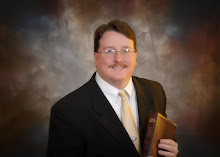
It may be a surprise to many of you that at one dark point in my young adult life, I considered myself an atheist. Of course, I didn't admit this to anyone, but it was true. I no longer believed there was a God. I looked at Christianity as a religion of tradition and the Bible as an ancient book of stories and nothing more. But things changed for me in 1999 when I was at the age of twenty-four. That's when I came to believe in Jesus Christ and I committed my life to knowing Him and His Word better, as well as serving Him. Though it embarrasses me to talk about what I once believed or didn't believe, I have found that it helps those who are trying to witness to those who call themselves atheists, like I once was. A member of our Church recently asked for my advice because they had been challenged by an atheist to give proof that there was a God. Since I get asked that kind of thing from time to time, I decided to post the advice that I gave to this person, beginning with the personal motivation behind becoming an atheist.
The main reason why most people become atheists is because if there is no God, there is no moral standard other than one that we make for ourselves. That is the reason why I became an atheist. It was later that evolution and other so-called "sciences" provided what seemed like logical reasons for me to think that way. It took God showing me the difference that He could make in my personal life to convince me that I was wrong about His existence. When it comes down to it, if God is not real, believing in Him could not change my life in the way that it has been changed. For me, my life is the greatest evidence that God is real. Now, the atheists that you witness to may not admit that they have rejected the existence of God for personal, moral reasons, rather than reasonable, logical reasons, but that is probably the motivation behind it. Most of the time, this is something that they will have to come to realize on their own. Pointing it out to them, will probably only end the conversation before it has truly begun.
One of the keys to getting an atheist thinking about the existence of God is to point that person to science. Science has been able to come up with many theories to explain the existence of matter and the existence of life, but it cannot explain the ultimate cause. Many scientists, though not all, say that "the Big Bang" caused matter to expand and form stars, planets, and all the things in the universe, but they cannot explain where the matter came from that supposedly expanded in the first place. It is a law of nature that something cannot come from nothing, but the universe requires a beginning, a cause to have started it all. The only way something can come from nothing is through supernatural means rather than natural, which is what the Bible describes in Hebrews 11:3, saying that "...the worlds were framed by the word of God, so that the things which are seen were not made of things which are visible." In other words, God made everything from nothing. That's the only explanation for where matter came from, regardless of whether you argue the Big Bang with him or not. I like the old saying that "God spoke and 'Bang!' it happened!"
Also, when speaking with atheists, the theory of evolution is a subject that will come up. Evolutionists believe that they have evidence that creatures can mutate into other species over time (what they call macro-evolution), but there is actually no hard evidence of that. They try to use adaptation (which they call micro-evolution) as an example of how evolution happens, but the problem is that no matter how much a species adapts to its environment, it is still that same species. The biggest flaw to be found in Darwin's theory is that at the cellular level, he expected that science would find that things are much more simple, but the technology of his day did not permit him to test that part of his theory. But we can now and what scientists have found is that life is much more complicated on the cellular level than Darwin ever imagined. For example, every cell contains the DNA of that creature, which is essentially the schematics and the instructions for how every part of that creature operates. It is essentially programming. Programming does not happen at random, it requires a programmer who knows what they are doing to make things work. DNA is essentially hundreds of thousands of pages worth of information that is extremely precise to make life function. That is why many micro-biologists who still do not believe in the God of the Bible say that there is evidence for an intelligent designer in every cell of our bodies. Christians believe that designer is the Creator God who is revealed to us in the Bible.
Evolutionists also often say that the many similarities between species proves that we all have a common ancestor, such as the similarities between apes and humans, but that only reinforces the idea that we have the same designer in common. To say that life, even in its simplest form, came into being by sheer chance through evolution, is like saying that a tornado could tear through a junkyard, assemble a 747 airplane, paint United Airlines on the side, and have it ready to fly. There is much more evidence for the Creator than there is for evolution.
This is just the tip of the iceberg concerning what you can say to atheists. Don't be too disappointed if atheists don't want to listen to anything you have to say. Though they may have challenged you, they don't really want to be challenged back. But I am confident that you can plant some seeds to get an atheist thinking. That person wouldn't be the first atheist to challenge Christianity and then later become a Christian (C.S. Lewis was one of them, along with Lee Strobel the author of "The Case for Christ"). Make sure to pray that the same thing will happen to that person as well and then watch what God can do.
The Bible says in Psalm 14:1 that "the fool has said in his heart, 'There is no God.'" I was once a fool, but praise God because He still saves and changes the minds of fools like me!
Wednesday, October 12, 2011
Tuesday, May 10, 2011
Mission El Salvador 2011
I just returned last week from El Salvador and my first foreign missionary trip. I went with a great group of guys that have since become true brothers to me. We shared an experience that I will never forget. God used our team of eight, along with the locals that we worked with, to save 147 people and 29 people rededicated their lives to Him! I haven't seen that many decisions in all of my 12 years of preaching here in the United States. I was inspired and challenged by what I saw God do there and I thought I might share some of the most memorable moments with you.
First of all, I was greatly impressed with the Christians in El Salvador. We had some very dedicated volunteers who traveled with us to be our guides, our translators, and our support in a place that is very different than what we are accustomed to. We could not have made it far without them. But I was especially surprised by those we worked with in the local Churches. I have never met more dedicated Christians in all of my life. We had more than enough volunteers at each Church where we showed up to do door-to-door evangelism. They came ready and willing to go out and be witnesses to their neighbors. Together we walked all day long throughout each of their towns, working together to reap God's harvest. And God truly sent out laborers into His harvest who were willing to work. Oh what an example they were to me. They had an obvious burden for the lost around them and they took action accordingly. The Bible says that a worker in the harvest that has a burden like this "...shall doubtless come again with rejoicing, bringing his sheaves with him" (Psalm 126:6, NKJV). Each night after a full day of door-to-door evangelism, we met with those believers for a celebration service at their Church. I now know that praise to our Lord and Savior from a grateful heart needs no translation. It was a beautiful thing to hear their rejoicing over each soul saved and you couldn't help but join in.
On the first day of door-to-door evangelism, I was in a team of four people witnessing our way through a mountain village. I was with two locals, a man named Sabas and a lady named Alma, of which neither could speak English, but one of our translators, Pedro, went with us as well. The very first person that we talked to was a man that we met coming down the street. We shared the Gospel with him and he received Christ on the spot! That got us all excited and we were really on the hunt after that. We witnessed to both young and old, both in houses and on the street. Some rejected the Lord, but most that we talked to accepted Him. One of the most memorable examples from that day was when we stopped and talked to four mechanics working on a truck. All four listened as we shared the Gospel. When we asked them if they would like to pray and receive Christ, two of them laid down their tools and asked Jesus to save them! Jesus called us to be fishers of men, but any kind of fishing is so much more fun when the fish are biting! Well, I was having the time of my life that day.
The next day we were in Guatemala, doing another day of door-to-door evangelism. The team of four people that I was with that day actually saw twice as many people get saved! My favorite example was when we were visiting with a mother and her three teenage children. Someone asked them if the missionary from Tennessee could ask them some questions and they said that I could. I hadn't gotten very far when the woman's oldest child raised his hand and told one of those with me that he was already a Christian. They asked him how long he had been a Christian and he said that he had just gotten saved earlier that day on the other side of town. Another team had led him and his friends to Christ on another street! The boy had just gotten home right before we got there. And just a few minutes later, his mother, his brother, and his sister all got saved! Apparently God wanted to save that entire family that day. I'm just glad I got to be a part of what God did there.
On Sunday, I preached for the first time with a translator. It took a bit of getting used to, because I had to make sure to pause between each sentence, but it was a good experience for me. I'm not used to having the opportunity to think before I speak! As for the Church service, it was nice to see another tribe and tongue worshiping the same Lord and Savior that we worship here. Their worship was louder and more free than I'm used to, but it was like a breath of fresh air. I found that even though I couldn't understand most of the words, I couldn't help but join in when they were praising the Lord in Spirit and in Truth.
The next day, I got to preach at a rehabilitation center for alcoholics and drug addicts. That was right up my alley and, ironically, where I preached looked like an alley. It was an open air space between two buildings that had apartments down one side, a wood stove and grill in the back, a broken down old truck in the front, and a chicken coup in the middle under a tree. Though it may seem like an unlikely spot, God showed up and did something that He is the only explanation for. I preached about receiving and living in the strength of Jesus Christ and I gave an invitation for those men to either receive Christ into their lives or rededicate their lives to Him. At first no-one moved, but then a man came down to rededicate his life and then two more men came to receive Christ. I later found out that the two men that got saved were new to the rehab center and that they were members of rival gangs. They had spent the short time that they had been there avoiding one another, with the tension building to a boiling point, but that day they knelt down shoulder to shoulder to ask Jesus to save and change their lives! What an awesome God we serve! There is no barrier that He cannot break down.
One of the things that surprised me the most about this trip to El Salvador was the bond that was forged between our team and the Christians that we worked with there. I have never felt that kind of connection with someone from another country before. I guess that's because I haven't gotten to know very many people from other countries before, much less Christians from other countries. I can truly say that the people I met there are my brothers and sisters. I love them and will miss them. One of the hardest things about the trip was leaving them. When we walked past the final checkpoint in the airport, they had to stop there. They lined up in front of a long glass wall and watched until we were out of sight. I shared the same feeling of sadness that was revealed on their faces. But it made me think of that homecoming that we will experience in Heaven. The more I get to know the Christians of this world, the more wonderful I know Heaven will be. My hope and prayer is that we will each bring many guests to that homecoming, through sharing the Gospel of Jesus Christ in all the world in obedience to His command. I praise God that I was given the opportunity to go with Him on mission in El Salvador and I can't wait to go again!
First of all, I was greatly impressed with the Christians in El Salvador. We had some very dedicated volunteers who traveled with us to be our guides, our translators, and our support in a place that is very different than what we are accustomed to. We could not have made it far without them. But I was especially surprised by those we worked with in the local Churches. I have never met more dedicated Christians in all of my life. We had more than enough volunteers at each Church where we showed up to do door-to-door evangelism. They came ready and willing to go out and be witnesses to their neighbors. Together we walked all day long throughout each of their towns, working together to reap God's harvest. And God truly sent out laborers into His harvest who were willing to work. Oh what an example they were to me. They had an obvious burden for the lost around them and they took action accordingly. The Bible says that a worker in the harvest that has a burden like this "...shall doubtless come again with rejoicing, bringing his sheaves with him" (Psalm 126:6, NKJV). Each night after a full day of door-to-door evangelism, we met with those believers for a celebration service at their Church. I now know that praise to our Lord and Savior from a grateful heart needs no translation. It was a beautiful thing to hear their rejoicing over each soul saved and you couldn't help but join in.
On the first day of door-to-door evangelism, I was in a team of four people witnessing our way through a mountain village. I was with two locals, a man named Sabas and a lady named Alma, of which neither could speak English, but one of our translators, Pedro, went with us as well. The very first person that we talked to was a man that we met coming down the street. We shared the Gospel with him and he received Christ on the spot! That got us all excited and we were really on the hunt after that. We witnessed to both young and old, both in houses and on the street. Some rejected the Lord, but most that we talked to accepted Him. One of the most memorable examples from that day was when we stopped and talked to four mechanics working on a truck. All four listened as we shared the Gospel. When we asked them if they would like to pray and receive Christ, two of them laid down their tools and asked Jesus to save them! Jesus called us to be fishers of men, but any kind of fishing is so much more fun when the fish are biting! Well, I was having the time of my life that day.
The next day we were in Guatemala, doing another day of door-to-door evangelism. The team of four people that I was with that day actually saw twice as many people get saved! My favorite example was when we were visiting with a mother and her three teenage children. Someone asked them if the missionary from Tennessee could ask them some questions and they said that I could. I hadn't gotten very far when the woman's oldest child raised his hand and told one of those with me that he was already a Christian. They asked him how long he had been a Christian and he said that he had just gotten saved earlier that day on the other side of town. Another team had led him and his friends to Christ on another street! The boy had just gotten home right before we got there. And just a few minutes later, his mother, his brother, and his sister all got saved! Apparently God wanted to save that entire family that day. I'm just glad I got to be a part of what God did there.
On Sunday, I preached for the first time with a translator. It took a bit of getting used to, because I had to make sure to pause between each sentence, but it was a good experience for me. I'm not used to having the opportunity to think before I speak! As for the Church service, it was nice to see another tribe and tongue worshiping the same Lord and Savior that we worship here. Their worship was louder and more free than I'm used to, but it was like a breath of fresh air. I found that even though I couldn't understand most of the words, I couldn't help but join in when they were praising the Lord in Spirit and in Truth.
The next day, I got to preach at a rehabilitation center for alcoholics and drug addicts. That was right up my alley and, ironically, where I preached looked like an alley. It was an open air space between two buildings that had apartments down one side, a wood stove and grill in the back, a broken down old truck in the front, and a chicken coup in the middle under a tree. Though it may seem like an unlikely spot, God showed up and did something that He is the only explanation for. I preached about receiving and living in the strength of Jesus Christ and I gave an invitation for those men to either receive Christ into their lives or rededicate their lives to Him. At first no-one moved, but then a man came down to rededicate his life and then two more men came to receive Christ. I later found out that the two men that got saved were new to the rehab center and that they were members of rival gangs. They had spent the short time that they had been there avoiding one another, with the tension building to a boiling point, but that day they knelt down shoulder to shoulder to ask Jesus to save and change their lives! What an awesome God we serve! There is no barrier that He cannot break down.
One of the things that surprised me the most about this trip to El Salvador was the bond that was forged between our team and the Christians that we worked with there. I have never felt that kind of connection with someone from another country before. I guess that's because I haven't gotten to know very many people from other countries before, much less Christians from other countries. I can truly say that the people I met there are my brothers and sisters. I love them and will miss them. One of the hardest things about the trip was leaving them. When we walked past the final checkpoint in the airport, they had to stop there. They lined up in front of a long glass wall and watched until we were out of sight. I shared the same feeling of sadness that was revealed on their faces. But it made me think of that homecoming that we will experience in Heaven. The more I get to know the Christians of this world, the more wonderful I know Heaven will be. My hope and prayer is that we will each bring many guests to that homecoming, through sharing the Gospel of Jesus Christ in all the world in obedience to His command. I praise God that I was given the opportunity to go with Him on mission in El Salvador and I can't wait to go again!


Wednesday, February 16, 2011
El Salvador
I will soon be going on a mission trip to El Salvador in Central America, and so I have been trying to learn some things about this tiny country. I was surprised by some of the geographical facts, such as it’s the smallest nation in the continental Americas. It is also the most densely populated country in Central America. I read about its history; how it gained independence from the Spanish who had conquered it; and how it has gone through more than one period of civil war, with the most recent one ending in 1992. But the most interesting tidbit about El Salvador that stands out to me is the name.
The Spanish Conquistadors originally named the country "Provincia De Nuestro Señor Jesus Cristo, El Salvador Del Mundo," which means “Province of our Lord Jesus Christ, the Savior of the World,” but that name was soon shortened to “El Salvador,” which means “the Savior.” Despite the source of this name, the intentions behind it were good. The Spanish wanted El Salvador to be a place where people lived under the dominion of Jesus Christ, the Savior, though they went about it the wrong way.
Wherever European Catholics went during the great age of world exploration and discovery, native peoples were more often forced into Christianity than given the opportunity to freely choose to believe on their own. It is an embarrassment to all Christians that there were many who “converted” to Christianity at the tip of a sword, rather than through hearing and believing the truth of God’s Word. From the moment that Columbus landed in the Caribbean, the Spanish acted in the name of Christ, but acted like anyone but Christ. When they named El Salvador the “Province of our Lord Jesus Christ, the Savior of the World,” the Spanish did so as conquerors claiming dominion in the name of Christ. But even though their actions were wrong, the name of Jesus is always a good one. Though Christians can misrepresent the name of Jesus with their actions, He is the One who defines that name and makes it something special regardless.
The name “Jesus” is actually a transliteration of the Hebrew word “Yeshua,” which literally means “salvation,” or “deliverance.” It’s no wonder that the angel told Joseph to “…call His name Jesus, for He will save His people from their sins” (Matthew 1:21, NKJV). Even His name points to what Jesus came to do: to save those who need saving. The Bible explains that Jesus “…did not come to be served, but to serve, and to give His life a ransom for many” (Matthew 20:28, NKJV). He came to do whatever it would take to save sinners, even though that would require Him to give up His own life. We don’t have to read it in the Bible to know that “…all have sinned and fall short of the glory of God” (Romans 3:23, NKJV), and it isn’t hard for us to understand that “the wages of sin is death” (Romans 6:23, NKJV). But what we all need to know is that “…God demonstrates His own love toward us, in that while we were still sinners, Christ died for us” (Romans 5:8, NKJV). That means that we are all sinners facing God’s punishment, but our Savior stepped in and took our place to save us. It’s no wonder that the Bible emphasizes the name of Jesus saying, “…whoever calls on the name of the Lord shall be saved” (Romans 10:13, NKJV), as well as saying, “Nor is there salvation in any other, for there is no other name under heaven given among men, by which we must be saved” (Acts 4:12, NKJV).
Jesus did all that it takes to save us, but now we have to do our part. Thankfully, all that is required of us is that we simply believe in who He is and what He did to save us, as the Bible explains, saying, “For God so loved the world that He gave His only begotten Son, that whoever believes in Him should not perish but have everlasting life” (John 3:16, NKJV). This is about making a personal decision concerning Jesus Christ. You cannot force someone to believe no more than you can force someone to love you. A coerced decision to believe in Jesus Christ means nothing. If a person is to be saved from their sins, be born-again by the Spirit of God, and have a home in Heaven, that person must be given the opportunity to hear about Jesus and believe for themselves.
From what I’ve read of the history of El Salvador, when it was named the “Province of our Lord Jesus Christ, the Savior of the World,” the people there were not given the opportunity to hear and believe in Jesus Christ without being forced by the Catholics. And although Catholicism became and still is the main religion of the country, the vast majority of the population has never been confronted with Biblical Christianity and the Good News of Jesus Christ. Generations have come and gone in El Salvador without coming to believe in and follow the One who truly is the Savior of the world. That is why mission work in El Salvador is so important. The missionary hope and prayer for El Salvador is that each individual living there will hear and believe the Gospel, transforming each of their lives into a “Province of our Lord Jesus Christ, the Savior of the World.” Nothing better could happen to anyone in this life than that.
Please pray for this upcoming mission trip (April 26-May 4) and the team that will be going. May God richly bless these efforts and show that He truly is “El Salvador.”
Wednesday, September 08, 2010
Burning the Qur'an
Yesterday, I heard about a small Church in Florida that is planning on burning copies of the Muslim holy book, the Qur'an, on September 11th this year. Personally, after all the evil that this book has caused in this world and in my own country, I can understand their desire to burn it, but I also don't think that it's a good idea. Not only will it antagonize those who already hate us with such religious zeal, even worse, it will hurt the testimony of Christians who participate. I have two reasons for saying that.
First of all, publicly burning the Qur'an will only serve to offend Muslims and make them less likely to be open to the message of the Gospel. If one of our missionaries in a Muslim country did that, he would no longer be listened to, destroying any chance of seeing a Muslim convert to Christianity. As Christians, we are often going to inadvertently offend people simply by telling them about the Gospel of Jesus Christ, but we are not supposed to purposely be offensive. If people get offended, let it be over what God said rather than over what I did.
Secondly, publicly burning the Qur'an may seem like a Biblically supported action to take, but not when you study it more closely. There is an event recorded in Acts 19:18-19, where many of the people living in Ephesus came to believe the Gospel of Jesus Christ and "came confessing and telling their deeds." The Bible goes on to say that "...many of those who had practiced magic brought their books together and burned them in the sight of all." These were not Christians burning the religious books of other people. These were people who had converted to Christianity from other religions and chose to publicly burn their own books. That's a big difference.
So all in all, I don't want to see any Christian participate in burning the Qur'an on September 11th, because it is simply not a right thing for us to do. But what I would enjoy seeing is a great host of Muslims choosing to believe in the Lord Jesus Christ and rejecting the lies of the Qur'an. If they decided to burn their own books afterward, it would be all the better! What a message that would be if a former Muslim set his Qur'an on fire and said, "Compared with the Bible, the Qur'an is of no better use than kindling!" It would only mean as much coming from someone like that. May God grant that many of those who believe the Qur'an today would reject it for His Word tomorrow!
Wednesday, August 25, 2010
Eternal Security vs. Apostasy
I was having a theological discussion today over what some see as a big problem in Biblical interpretation. And that is understanding how the perseverance (or eternal security) of believers fits with the Scriptural warnings that appear to be directed toward believers, telling us to beware of falling away from the Lord and His salvation. If the Bible teaches both in that way, then we have a major contradiction. But such is not possible in God's perfect and holy Word. So as usual, the problem must be that our interpretation is creating a contradiction that isn't really there. There is plenty of Biblical reason to believe that once you are saved, you are always saved, and there is no real Biblical support for saying that a real Christian can fall away from the Lord and lose his or her salvation. You will see why I believe that.
Personally, I believe in "the eternal security of the believer," and I prefer using that phrase to the term "perseverance." In the simplest terms, the Bible says that before a person comes to believe in Jesus Christ, that person is "dead in trespasses and sins" (Ephesians 2:1), but when someone truly believes in Jesus Christ, committing their life to Him, they are given "eternal life" (John 3:16). So, salvation is the receiving of eternal life, and by definition, this kind of life is supposed to last forever. If it could end in any way, including through an individual's personal action or decision, it would not be "eternal life." Therefore, once someone has come to have "eternal life," that life will never end, or in other words, their salvation will never be taken away.
"The eternal security of the believer" also involves the preservation of God. This preservation is a part of God's side of the equation in salvation. On His part, God did all that it takes to save us from our sins, while on our part, we must believe in what He did to receive that salvation. After salvation, our part is to live in faithful obedience to God, while God's part is to preserve the eternal life that He has given us through salvation, as Jesus promised in John 10:27-28, saying "My sheep hear My voice, and I know them, and they follow Me. And I give them eternal life, and they shall never perish; neither shall anyone snatch them out of My hand." The way I see it, we didn't deserve salvation to begin with and we sure don't deserve to keep our salvation afterwards, but we have it and keep it through the grace of God alone!
Now we must tackle the idea that the Bible warns believers about the dangers of falling away from salvation. I personally do not believe that the Bible makes that case, and I have studied each of the passages that are typically used to teach that. There are passages that speak of believers falling out of fellowship with the Lord and His Church through sin, and there are passages that speak of people falling away from the point of receiving Jesus Christ after hearing the Word of God and continuing in it for a time. But nowhere does the Bible expressly say that true believers can or will depart from God and lose their salvation.
I think that one of the best passages to clear this up is the parable that Jesus gave concerning the Sower and the seed in Matthew 13:3-9. Jesus described a sower dropping seed on four types of ground: "the wayside," "stony places," "among thorns," and "good ground." Only one, the "good ground" produced a crop to harvest. The seed that fell on "the wayside" was immediately eaten, and the seed that fell on the "stony places" showed only a little life before dying from lack of a place to take root. The seed that fell "among thorns" apparently took root, but before they could grow to maturity, "the thorns sprang up and choked them," obviously killing any potential for a crop.
Jesus later explained this parable in Matthew 13:18-23, saying that the "seed" represents "the Word of the Kingdom," or in other words, the message of God's salvation, and the types of ground are those who hear this message. "The wayside" represents those who hear the Word, but don't understand it. The birds that come and eat the seed from "the wayside" represent "the wicked one" (obviously Satan) who "comes and snatches away what was sown." The "stony places" represent those who hear the Word and receive it immediately, but then abandon it when it brings them trouble; proving that one can hear the Word of God and accept it, but not be truly committed to it. The ground "among thorns" represents those who hear and accept the Word, but do not let it produce fruit in their lives. But the "good ground" represents true believers who hear and understand the Word, letting the Word produce ever increasing fruit in their lives. It is on the "good ground" that we see obvious and lasting results.
I think the real problem that people have with believing in "the eternal security of the believer" is the bad example that they have seen among many who profess to be Christian. I personally know of many examples of those who claim to believe in the Lord Jesus and claim to be one of His followers, and yet they live like the Devil. I even know of some who claimed to be Christians in the past, but have since rejected Christianity altogether. Many would say that these examples are proof that a Christian can loose his or her salvation and become an apostate, but I still disagree. What these examples truly prove is that a person can hear the Word of God, accept it to some degree, and even become involved in the religion of Christianity without ever truly becoming a born-again believer in and follower of the Lord Jesus Christ! There are too many who never truly reach the point of having a relationship with Jesus Christ, and that is the key to real salvation. There are far too many people who call themselves "Christian" that are represented by the ground "among thorns," instead of by the "good ground" that a real Christian should be.
Can a real Christian go astray? Yes, but not without being absolutely miserable. Can a real Christian become an apostate? No, because a real Christian has "eternal life" that is preserved by the One who gave it. With the great weight of Biblical support behind it, eternal security beats the idea of apostasy every time!
Tuesday, August 03, 2010
Missing... but not out of action!
To anyone who reads my blog, you may have noticed that I haven't written a new post in the past few months. I do apologize, but inspiration hasn't hit me when I had sufficient time to write. I will be writing again very soon. So don't think that I am missing in action. I've just been missing, but not out of action.
My life and ministry offline has been quite busy the past few months. We had a great Vacation Bible School, with God saving 4 children! My family and I then took a much needed vacation in South Dakota and Wyoming. There's nothing like a 4,814 mile road trip to recharge the batteries! Since we've been back, God has continued to work in our Church and we have seen Him save 5 people in the past month!
Pray that God will continue to change and save lives through our family. That's what ministry is all about!
Tuesday, April 27, 2010
Avatar: A Compromised Movie
 I finally got around to watching the movie, "Avatar," which is currently considered the best movie ever, or at least that's what the commercials say. I have heard a lot of people tell me how good it is, but I have also heard some bad reviews. Naturally, I wanted to see it for myself. So my wife and I watched it last night without the kids, as we do with any movie that we are unsure of. After seeing it, I now know why Christian movie reviewers issued serious warnings to families. I'm not going to say that Christian parents should think twice before letting their kids watch this movie; I'm going to say that Christian parents should have their heads examined if they know what's in this movie and then let their kids watch it anyway. Now before you get mad, let me tell you why I say that.
Do you remember the old spy movies, where a secret agent is sent in on a mission of national security or some such thing? Invariably in those movies something goes badly wrong and the spy contacts his superiors to report that the mission has been compromised. Well, Avatar has all the makings of a great movie for all ages, complete with a grand adventure, a moral lesson, spectacular special effects, and edge-of-your-seat action, but this movie has been compromised.
For example, curse words were sprinkled throughout the entire movie, including the repeated use of God's name in the worst possible way, not to mention the use of the name of Jesus as an expletive on more than one occasion. And if that were not enough, the very human-like, alien natives were barely clothed, especially the females whose breasts were almost completely exposed and visible in many scenes. There was also the scene that stopped just short of showing two aliens mating.
This may not seem like something that would compromise a movie to those who aren't Christians, but it should be considered compromise by a follower of Christ! Anything that serves to compromise our values and beliefs is a compromise to watch or hear. The old adage is very true that says, "Garbage in means garbage out!" The Bible says, "Do not be conformed to this world, but be transformed by the renewing of your mind, that you may prove what is that good and acceptable and perfect will of God" (Romans 12:2, NKJV). The Bible also says, "Finally, brothers, whatever is true, whatever is honorable, whatever is just, whatever is pure, whatever is lovely, whatever is commendable, if there is any excellence, if there is anything worthy of praise, think about these things" (Philippians 4:8, ESV). Not only are we supposed to act differently as Christians, we are supposed to think differently as well. After watching a movie like "Avatar," I felt like I needed to wash my ears out! I'll never watch it again because I don't want it to influence my thinking or my actions, and I'll never let my kids watch it for the same reason.
Now I'm not saying that we should shelter our kids from the world around them, but rather guard and mold our children so that they can have a Christian impact on the world around them. I want for my kids what God wants for all of His children: "...be wise in what is good, and simple concerning evil" (Romans 16:19, NKJV), or in other words, "know more about what is good and know hardly anything about what is wrong!" Christian parents need to be praying for their kids in the way that Jesus prayed for us, saying, "I do not pray that You should take them out of the world, but that You should keep them from the evil one. They are not of the world, just as I am not of the world. Sanctify them by Your truth. Your word is truth. As You sent Me into the world, I also have sent them into the world" (John 17:15-18, NKJV).
One of these days, my kids are going to be going out into this world on their own. That is a fact that I fear, but must face and prepare for. While there's still time, I want to equip my children for that moment so that when it comes, their mission will not be compromised. My prayer and my plea is that all Christian parents will do the same. Sometimes that decision can be as simple as what you let them watch on the television. Don't give your kids a compromised movie; give them a sanctified life for their good and the glory of God!
Tuesday, March 30, 2010
The One and Only Gospel
The word "Gospel" means "Good News" and it refers to the message of what God did to save us and how we can receive that salvation. It is supposed to be a simple message that has defined Christianity from the beginning, but it seems that there is some disagreement among Christians about the Gospel that was being preached at the beginning of the Church. Some say that the Apostles led by Peter were preaching that a person is saved through having faith and doing works together, while the Apostle Peter and those who agreed with him were preaching that salvation comes through having faith alone. This theory gives the idea that Paul alone was spreading the Gospel, with the other Apostles only serving as a hindrance to him and his message, leaving a great divide between Jewish and Gentile believers. While it is true that the early Christians, including the Apostles, didn't always agree, it is not true that they were hopelessly divided over God's plan of salvation. When you look into the New Testament, instead of seeing contradicting messages, you see a unified truth, proclaiming that salvation comes by God's grace through personal faith in who He is and what He did to save sinners, whether they be Jew or Gentile.
In clearing this up, we need to begin with the one who is most often accused of preaching salvation by works, the Apostle Peter. In Acts 10:43, Peter has just told a group of Gentiles about the ministry, death, and resurrection of Jesus Christ, when he gives the following invitation, saying, "To Him all the prophets witness that, through His name, whoever believes in Him will receive remission of sins" (Acts 10:43, NKJV). Now when this first group of Gentiles believed, they received the Holy Spirit in what has been called a Gentile Pentecost, which was evidenced by the speaking of tongues as in Acts 2. This Gentile Pentecost was a unique event to commemorate the first of the Gentiles coming to believe. It was at this point that Peter said, "Can anyone forbid water, that these should not be baptized who have received the Holy Spirit just as we have?" Don't miss the sequence of events: Peter gave the invitation to believe for salvation, they believed and received the Holy Spirit, and then they were baptized afterwards. Peter said that this was the same way that the Jewish believers had also received the Holy Spirit and came to be baptized. It was through faith alone, with no works mentioned.
I would also like to point out the events of the next chapter in Acts, when Peter got back to Jerusalem and was surrounded by controversy from the Jewish believers because he had been with Gentiles (Acts 11:1-3). Peter first explained to them how God had sent him to the Gentiles to tell them how to be saved (Acts 11:4-14). Peter told them how they received the Holy Spirit and then said, "If therefore God gave them the same gift as He gave us when we believed on the Lord Jesus Christ, who was I that I could withstand God?" (Acts 11:17, NKJV) Their response is in agreement with Peter: "When they heard these things they became silent; and they glorified God, saying, 'Then God has also granted to the Gentiles repentance to life'" (Acts 11:18, NKJV). Peter's emphasis was on belief for salvation and apparently that was the same message that the Jews had already received.
When Paul was preaching in the synagogue in Antioch of Pisidia, his message was essentially the same as Peter's. Paul told of the coming of the Messiah, the death of Jesus, and the resurrection of Jesus. Paul then said, "Therefore let it be known to you, brethren, that through this Man is preached to you the forgiveness of sins; and by Him everyone who believes is justified from all things from which you could not be justified by the law of Moses" (Acts 13:38-39, NKJV). When most of the Jews in the synagogue (though not all) rejected what Paul had to say, Paul turned to the Gentiles, but it does not say that his message to them was any different. It's interesting that you see this same pattern in every city that Paul went to. If the city had a synagogue, he started preaching there, then when he was inevitably rejected, he would turn to the Gentiles, but his message was always the same to both, namely that salvation comes by God's grace through personal faith.
Now it is clear that not all Jewish Christians believed in the message of salvation by grace through faith alone. In fact, Paul, Barnabas, and other like-minded Christians went to Jerusalem, "to the apostles and elders," over the disagreement, in order to try and resolve it (Acts 15:1-2). The majority of believers were overjoyed at the news of their success in reaching the Gentiles, but a minority of believers were critical (Acts 15:3-5). Not surprisingly, since he was the first to proclaim the Gospel to the Gentiles, Peter stood up to defend Paul and his Gospel. The Bible says, "And when there had been much dispute, Peter rose up and said to them: 'Men and brethren, you know that a good while ago God chose among us, that by my mouth the Gentiles should hear the word of the gospel and believe. So God, who knows the heart, acknowledged them by giving them the Holy Spirit, just as He did to us, and made no distinction between us and them, purifying their hearts by faith. Now therefore, why do you test God by putting a yoke on the neck of the disciples which neither our fathers nor we were able to bear? But we believe that through the grace of the Lord Jesus Christ we shall be saved in the same manner as they'" (Acts 15:7-11, NKJV). I want to take special note of two things in what Peter said. First of all, Peter called the Law a "yoke" that none of the Jews had been able to bear, or in other words, none of them had been able to save themselves through the keeping of the Law. Secondly, Peter said that it is through "the grace of the Lord Jesus Christ" and nothing else that anyone is saved, whether Jew or Gentile.
With these passages in mind, I simply cannot believe that they preached a different Gospel. You see both Peter and Paul preaching salvation by grace through faith to both Jews and Gentiles. There's no reason to believe that the other Apostles were any different. Their's was a unified message of salvation by the grace of One Lord over one people of faith, whether Jew or Gentile, as the Bible says, "For He Himself is our peace, who has made both one, and has broken down the middle wall of separation, having abolished in His flesh the enmity, that is, the law of commandments contained in ordinances, so as to create in Himself one new man from the two, thus making peace, and that He might reconcile them both to God in one body through the cross, thereby putting to death the enmity" (Ephesians 2:14-16, NKJV).
Today, there are many denominations and varieties of Churches, much more so than it was in the beginning when there was only a Jewish and a Gentile Church. In all our disagreements, whether worthy or unworthy of argument, it is imperative that we have one unified message, just like the early Church did. That message should be that Jesus Christ is the Son of God, our Savior, and our Lord, because He was born of a virgin, lived a sinless life, died in our place, and rose again from the dead to save and change the lives of all who will place their faith in Him. That's the message of salvation by grace through faith. The grace is His part, while the faith is ours, and when both come together, salvation happens! When it comes to life and death, that's the only Good News!
In clearing this up, we need to begin with the one who is most often accused of preaching salvation by works, the Apostle Peter. In Acts 10:43, Peter has just told a group of Gentiles about the ministry, death, and resurrection of Jesus Christ, when he gives the following invitation, saying, "To Him all the prophets witness that, through His name, whoever believes in Him will receive remission of sins" (Acts 10:43, NKJV). Now when this first group of Gentiles believed, they received the Holy Spirit in what has been called a Gentile Pentecost, which was evidenced by the speaking of tongues as in Acts 2. This Gentile Pentecost was a unique event to commemorate the first of the Gentiles coming to believe. It was at this point that Peter said, "Can anyone forbid water, that these should not be baptized who have received the Holy Spirit just as we have?" Don't miss the sequence of events: Peter gave the invitation to believe for salvation, they believed and received the Holy Spirit, and then they were baptized afterwards. Peter said that this was the same way that the Jewish believers had also received the Holy Spirit and came to be baptized. It was through faith alone, with no works mentioned.
I would also like to point out the events of the next chapter in Acts, when Peter got back to Jerusalem and was surrounded by controversy from the Jewish believers because he had been with Gentiles (Acts 11:1-3). Peter first explained to them how God had sent him to the Gentiles to tell them how to be saved (Acts 11:4-14). Peter told them how they received the Holy Spirit and then said, "If therefore God gave them the same gift as He gave us when we believed on the Lord Jesus Christ, who was I that I could withstand God?" (Acts 11:17, NKJV) Their response is in agreement with Peter: "When they heard these things they became silent; and they glorified God, saying, 'Then God has also granted to the Gentiles repentance to life'" (Acts 11:18, NKJV). Peter's emphasis was on belief for salvation and apparently that was the same message that the Jews had already received.
When Paul was preaching in the synagogue in Antioch of Pisidia, his message was essentially the same as Peter's. Paul told of the coming of the Messiah, the death of Jesus, and the resurrection of Jesus. Paul then said, "Therefore let it be known to you, brethren, that through this Man is preached to you the forgiveness of sins; and by Him everyone who believes is justified from all things from which you could not be justified by the law of Moses" (Acts 13:38-39, NKJV). When most of the Jews in the synagogue (though not all) rejected what Paul had to say, Paul turned to the Gentiles, but it does not say that his message to them was any different. It's interesting that you see this same pattern in every city that Paul went to. If the city had a synagogue, he started preaching there, then when he was inevitably rejected, he would turn to the Gentiles, but his message was always the same to both, namely that salvation comes by God's grace through personal faith.
Now it is clear that not all Jewish Christians believed in the message of salvation by grace through faith alone. In fact, Paul, Barnabas, and other like-minded Christians went to Jerusalem, "to the apostles and elders," over the disagreement, in order to try and resolve it (Acts 15:1-2). The majority of believers were overjoyed at the news of their success in reaching the Gentiles, but a minority of believers were critical (Acts 15:3-5). Not surprisingly, since he was the first to proclaim the Gospel to the Gentiles, Peter stood up to defend Paul and his Gospel. The Bible says, "And when there had been much dispute, Peter rose up and said to them: 'Men and brethren, you know that a good while ago God chose among us, that by my mouth the Gentiles should hear the word of the gospel and believe. So God, who knows the heart, acknowledged them by giving them the Holy Spirit, just as He did to us, and made no distinction between us and them, purifying their hearts by faith. Now therefore, why do you test God by putting a yoke on the neck of the disciples which neither our fathers nor we were able to bear? But we believe that through the grace of the Lord Jesus Christ we shall be saved in the same manner as they'" (Acts 15:7-11, NKJV). I want to take special note of two things in what Peter said. First of all, Peter called the Law a "yoke" that none of the Jews had been able to bear, or in other words, none of them had been able to save themselves through the keeping of the Law. Secondly, Peter said that it is through "the grace of the Lord Jesus Christ" and nothing else that anyone is saved, whether Jew or Gentile.
With these passages in mind, I simply cannot believe that they preached a different Gospel. You see both Peter and Paul preaching salvation by grace through faith to both Jews and Gentiles. There's no reason to believe that the other Apostles were any different. Their's was a unified message of salvation by the grace of One Lord over one people of faith, whether Jew or Gentile, as the Bible says, "For He Himself is our peace, who has made both one, and has broken down the middle wall of separation, having abolished in His flesh the enmity, that is, the law of commandments contained in ordinances, so as to create in Himself one new man from the two, thus making peace, and that He might reconcile them both to God in one body through the cross, thereby putting to death the enmity" (Ephesians 2:14-16, NKJV).
Today, there are many denominations and varieties of Churches, much more so than it was in the beginning when there was only a Jewish and a Gentile Church. In all our disagreements, whether worthy or unworthy of argument, it is imperative that we have one unified message, just like the early Church did. That message should be that Jesus Christ is the Son of God, our Savior, and our Lord, because He was born of a virgin, lived a sinless life, died in our place, and rose again from the dead to save and change the lives of all who will place their faith in Him. That's the message of salvation by grace through faith. The grace is His part, while the faith is ours, and when both come together, salvation happens! When it comes to life and death, that's the only Good News!
Tuesday, January 19, 2010
Salvation from Separation
Our Church just experienced a shock last week that we are still reeling from. One of our members committed suicide. This individual was a good, Christian man and well-liked by all, but he took his own life in a moment of despair. As his pastor, the task fell to me to try and comfort his family and to preach his funeral. It has been one of the most difficult things that I have ever had to deal with as a pastor. I sought the Lord's guidance to know both what to say and what to do. For a time, I had no clear direction, but then God gave me the words to say from His Word. What He had me say is instructive and encouraging to us all.
First of all, some misconceptions of suicide had to be confronted; the main one being the idea that if someone commits the sin of suicide, they automatically go to Hell. The Bible never says anything of the sort. What Scripture actually says is that people go to Hell because they are separated from God. The Bible explains, saying, "Behold, the LORD's hand is not shortened, that it cannot save; nor His ear heavy, that it cannot hear. But your iniquities have separated you from your God; and your sins have hidden His face from you, so that He will not hear" (Isaiah 59:1-2, NKJV). Therefore, all sinners are separated from God, and we don't have to hear that "all have sinned and fall short of the glory of God" (Romans 3:23) to know that it is a problem that we all face.
Separation is the punishment for sin and is a condition that God calls "death." Physical death illustrates it in that when a person has physically died, they are separated from all those who love them. Well, spiritual death is the separation of a person's spirit from the One who loves them far more than anyone ever could. Without being forgiven of their sins, a person is forced to live apart from God, and when their body dies, their spirit has to remain apart from God. In other words, if you can't be with God in Heaven, there's no other place to be but separated from Him in Hell. If left to our own devices, this would be the position that we would all find ourselves in, but God didn't leave us without a solution!
God loved us enough to do whatever was necessary to end the separation between us and Him! The Bible speaks of both the punishment for sin and the salvation from sin's punishment, saying that "...the wages of sin is death, but the gift of God is eternal life in Christ Jesus our Lord" (Romans 6:23, NKJV). God freely traded our old life of separation from Him for a new life of salvation with Him through Jesus Christ! That gift cost Jesus dearly, as the Bible reminds us, saying, "...God demonstrates His own love toward us, in that while we were still sinners, Christ died for us" (Romans 5:8, NKJV). Jesus was separated from God in death, so that we would not have to be separated from God in death. He took our place to end the separation once and for all, but there is a catch.
Because of the sacrifice that Jesus made, our separation from God can be ended, but only on one condition: we must believe to receive His gift. That's why the Bible says, "For God so loved the world that He gave His only begotten Son, that whosoever believes in Him should not perish but have everlasting life" (John 3:16, NKJV). Belief in Jesus is what provides salvation from that separation. Belief is the key to having a relationship with God that will never end! Thankfully, I know that the man who committed suicide had faith in Jesus Christ and is now in Heaven with Him because of it.
You see, once your separation from God has ended, no sin, not even the sin of taking your own life, can separate you from your Savior again! Think of the words that the Bible uses to describe what you receive when you believe, words like "everlasting life" and "eternal life." If you could suddenly do something to end this new life with God, it could not be called "everlasting" or "eternal." But there is an even stronger argument for believing that we cannot be separated from God again. Jesus said, "My sheep hear My voice, and I know them, and they follow Me. And I give them eternal life, and they shall never perish; neither shall anyone snatch them out of My hand" (John 10:27-28, NKJV). To say that you could take yourself away from the Lord is to say that you are stronger than Him, and that is just not possible. It was Jesus that ended the separation between you and God, and it is Jesus who will keep you from being separated from Him ever again. That's why the Apostle Paul wrote these words, saying, "...I am convinced that nothing can ever separate us from God's love. Neither death nor life, neither angels nor demons, neither our fears for today nor our worries about tomorrow-- not even the powers of hell can separate us from God's love. No power in the sky above or in the earth below-- indeed, nothing in all creation will ever be able to separate us from the love of God that is revealed in Christ Jesus our Lord" (Romans 8:38-39, NLT).
Even though this man committed suicide, he had faith in Jesus Christ, and that faith remained the key to his salvation. Knowing that made my task a little easier in comforting the family and in coming to grips with what happened. His eternal life was still secure, despite the wrong and tragic way that he died. Many of you will recognize that I'm talking about the eternal security of the believer; the concept that once you're saved, you are always saved; but I like to put it this way... In Jesus we have salvation from separation! Thank-you, Jesus!
First of all, some misconceptions of suicide had to be confronted; the main one being the idea that if someone commits the sin of suicide, they automatically go to Hell. The Bible never says anything of the sort. What Scripture actually says is that people go to Hell because they are separated from God. The Bible explains, saying, "Behold, the LORD's hand is not shortened, that it cannot save; nor His ear heavy, that it cannot hear. But your iniquities have separated you from your God; and your sins have hidden His face from you, so that He will not hear" (Isaiah 59:1-2, NKJV). Therefore, all sinners are separated from God, and we don't have to hear that "all have sinned and fall short of the glory of God" (Romans 3:23) to know that it is a problem that we all face.
Separation is the punishment for sin and is a condition that God calls "death." Physical death illustrates it in that when a person has physically died, they are separated from all those who love them. Well, spiritual death is the separation of a person's spirit from the One who loves them far more than anyone ever could. Without being forgiven of their sins, a person is forced to live apart from God, and when their body dies, their spirit has to remain apart from God. In other words, if you can't be with God in Heaven, there's no other place to be but separated from Him in Hell. If left to our own devices, this would be the position that we would all find ourselves in, but God didn't leave us without a solution!
God loved us enough to do whatever was necessary to end the separation between us and Him! The Bible speaks of both the punishment for sin and the salvation from sin's punishment, saying that "...the wages of sin is death, but the gift of God is eternal life in Christ Jesus our Lord" (Romans 6:23, NKJV). God freely traded our old life of separation from Him for a new life of salvation with Him through Jesus Christ! That gift cost Jesus dearly, as the Bible reminds us, saying, "...God demonstrates His own love toward us, in that while we were still sinners, Christ died for us" (Romans 5:8, NKJV). Jesus was separated from God in death, so that we would not have to be separated from God in death. He took our place to end the separation once and for all, but there is a catch.
Because of the sacrifice that Jesus made, our separation from God can be ended, but only on one condition: we must believe to receive His gift. That's why the Bible says, "For God so loved the world that He gave His only begotten Son, that whosoever believes in Him should not perish but have everlasting life" (John 3:16, NKJV). Belief in Jesus is what provides salvation from that separation. Belief is the key to having a relationship with God that will never end! Thankfully, I know that the man who committed suicide had faith in Jesus Christ and is now in Heaven with Him because of it.
You see, once your separation from God has ended, no sin, not even the sin of taking your own life, can separate you from your Savior again! Think of the words that the Bible uses to describe what you receive when you believe, words like "everlasting life" and "eternal life." If you could suddenly do something to end this new life with God, it could not be called "everlasting" or "eternal." But there is an even stronger argument for believing that we cannot be separated from God again. Jesus said, "My sheep hear My voice, and I know them, and they follow Me. And I give them eternal life, and they shall never perish; neither shall anyone snatch them out of My hand" (John 10:27-28, NKJV). To say that you could take yourself away from the Lord is to say that you are stronger than Him, and that is just not possible. It was Jesus that ended the separation between you and God, and it is Jesus who will keep you from being separated from Him ever again. That's why the Apostle Paul wrote these words, saying, "...I am convinced that nothing can ever separate us from God's love. Neither death nor life, neither angels nor demons, neither our fears for today nor our worries about tomorrow-- not even the powers of hell can separate us from God's love. No power in the sky above or in the earth below-- indeed, nothing in all creation will ever be able to separate us from the love of God that is revealed in Christ Jesus our Lord" (Romans 8:38-39, NLT).
Even though this man committed suicide, he had faith in Jesus Christ, and that faith remained the key to his salvation. Knowing that made my task a little easier in comforting the family and in coming to grips with what happened. His eternal life was still secure, despite the wrong and tragic way that he died. Many of you will recognize that I'm talking about the eternal security of the believer; the concept that once you're saved, you are always saved; but I like to put it this way... In Jesus we have salvation from separation! Thank-you, Jesus!
Tuesday, December 08, 2009
Christmas and the Cross
 Each Christmas season I am increasingly concerned over the fact that our culture is forgetting or ignoring what Christmas is all about. In this nation that was founded by Christians and that has always been a place where Christianity has flourished, Christmas has become X-Mas, a holiday without the Christ. American children hear more about Santa Claus and the latest toys at Walmart than they do about the One whose birth is the reason for the season. We all need to be reminded that if it were not for Jesus Christ there would be no Christmas!
This Christmas I hope that more people will hear the message of Christmas and the Cross. You may be asking what Christmas has to do with the Cross. Simply put, it has everything to do with it. There had to be an incarnation before there could be a crucifixion. Jesus had to be born before He could die for us. He had to become human before He could take our place. His birth was the beginning of a journey that would lead Him to the Cross. That is what we hear from the Bible in places like Hebrews 2, where God's Word says, "Inasmuch then as the children have partaken of flesh and blood, He Himself likewise shared in the same, that through death He might destroy him who had the power of death, that is, the devil, and release those who through fear of death were all their lifetime subject to bondage" (Hebrews 2:14-15, NKJV). The New Living Translation expounds upon these verses saying, "Because God's children are human beings-- made of flesh and blood-- the Son also became flesh and blood. For only as a human being could he die, and only by dying could he break the power of the devil, who had the power of death. Only in this way could he set free all who have lived their lives as slaves to the fear of dying."
A human birth was required for Jesus to be able to die on the Cross to save us. The Bible explains why, saying that "...when the fullness of the time had come, God sent forth His Son, born of a woman, born under the law, to redeem those who were under the law, that we might receive the adoption as sons. And because you are sons, God has sent forth the Spirit of His Son into your hearts, crying out, 'Abba, Father!' Therefore you are no longer a slave but a son, and if a son, then an heir of God through Christ" (Galatians 4:4-7, NKJV). The Son of God became one of us so that we could become one of His! Without Jesus we are nothing more than slaves to sin, but with Jesus we are set free and adopted into God's family! Jesus said, "Most assuredly, I say to you, whoever commits sin is a slave of sin. And a slave does not abide in the house forever, but a son abides forever. Therefore if the Son makes you free, you shall be free indeed" (John 8:34-36, NKJV). It's sin that enslaves us, "for all have sinned and fall short of the glory of God" (Romans 3:23, NKJV), and it's sin that kills us, "for the wages of sin is death" (Romans 6:23a, NKJV), but "God demonstrates His own love toward us, in that while we were still sinners, Christ died for us" (Romans 5:8, NKJV)! The Bible also explains that God "...made Him who knew no sin to be sin for us, that we might become the righteousness of God in Him" (2 Corinthians 5:21, NKJV).
Jesus was sent into the world to take our place and our punishment, as the Bible teaches, saying, "In this the love of God was manifested toward us, that God has sent His only begotten Son into the world, that we might live through Him. In this is love, not that we loved God, but that He loved us and sent His Son to be the propitiation for our sins" (1 John 4:9-10, NKJV). That word "propitiation" means "the satisfying price," and in this case refers to the price that Jesus paid for our sins, which was death. Jesus wasn't forced to pay that price; He was willing to take on the mission. The Bible says, "Let this mind be in you which was also in Christ Jesus, who, being in the form of God, did not consider it robbery to be equal with God, but made Himself of no reputation, taking the form of a bondservant, and coming in the likeness of men. And being found in appearance as a man, He humbled Himself and became obedient to the point of death, even the death of the cross" (Philippians 2:5-8, NKJV). He was willing to do whatever it took to save you and me, no matter how it changed Him and no matter what it cost Him! It required becoming human at Christmas and it required dying at the Cross, but Jesus did it for you and me! That's why Christmas and the Cross are inseparably linked, so that we might never forget what Christmas is truly all about.
So how do we put the Christ back in Christmas? Well, the Apostle Paul gave us a good example to follow, saying, "Thanks be to God for His indescribable gift" (2 Corinthians 9:15, NKJV)! The greatest form of thanks that you can give is to simply believe in the Christ of Christmas and the Cross! Jesus said, "For God so loved the world that He gave His only begotten Son, that whoever believes in Him should not perish but have everlasting life" (John 3:16, NKJV). That's why the Bible later explains, saying, "For the wages of sin is death, but the gift of God is eternal life in Christ Jesus our Lord" (Romans 6:23, NKJV). That's the greatest Christmas gift of all, but if you choose not to believe, you will never receive it! Friend, please believe in the Christ of Christmas and the Cross. No Christmas could be merrier than the one with Christ in it!
May you and yours have a very merry Christmas this year!
Tuesday, September 08, 2009
The Perspective of a Changed Man

When I think of people in the Bible whose lives have been changed through having faith in Jesus Christ, one person comes to mind more often than any other. I think of the man who was once called Saul, when he was still an unbeliever, a persecutor, and an enemy of Christ, but who would later be called Paul, when he became a believer, a follower, and an ambassador for Christ. Paul's dramatic conversion that began on the road to Damascus is one of the most iconic stories in the New Testament. It is a story that gets our attention and tells us that God can indeed save and change the life of anyone who puts their faith in Jesus Christ, no matter who they are or what they have done. As we southern preachers say, the story of Paul's salvation will flat preach! And that is what Paul often did concerning his testimony; he talked about it, he preached about it, and he wrote about it. It would do us all good to hear what he had to say.
Toward the end of the book of Acts, in chapter 26, we find Paul standing before King Agrippa, having been given the opportunity to defend himself against his accusers. But even though he had already been unjustly imprisoned for over two years, Paul did not plead for his freedom, but instead he mainly preached about how his life had been changed by Jesus Christ. He told the king how he had been an unbeliever who actually fought against those who believed in Jesus, having been a part of not only imprisoning believers, but also executing believers (see Acts 26:9-11). But then he told the king how God chose to have mercy on him, though it took being knocked flat on his back and being temporarily blinded before he would listen to the voice of the Lord Jesus (see Acts 26:12-15). He finally told the king that God had given him a new purpose for his life, to tell the world that anyone can "receive forgiveness of sins and an inheritance among those who are sanctified by faith" in Jesus Christ (Acts 26:16-18). Paul's life was turned upside down when he began to follow Jesus Christ, but for the better. It's no wonder that he changed his name from Saul to Paul, because he was a totally different person from then on.
Up to that point, Paul had been a rising star in the religious establishment of Jerusalem. He had been considered a faithful Jew and a Pharisee of Pharisees. He had been trained by the great Jewish teacher, Gamaliel, and had quickly become a force to be reckoned with in teaching and enforcing the Law of Moses. He had been both respected and feared, but when he became a follower of Jesus Christ, he became an outcast and a traitor. All that he had worked so hard for all of his life went up in smoke that day on the road to Damascus. You might think that such a loss pained Paul to think about and gave him regrets about his choice, but you would be wrong. Paul's perspective was changed just as much as his life was changed. Paul wrote to the Philippians, saying, "But what things were gain to me, these I have counted loss for Christ. Yet indeed I also count all things loss for the excellence of the knowledge of Christ Jesus my Lord, for whom I have suffered the loss of all things, and count them as rubbish, that I may gain Christ and be found in Him, not having my own righteousness, which is from the law, but that which is through faith in Christ, the righteousness which is from God by faith" (Philippians 3:7-9, NKJV). The New Living Translation explains Paul's point quite well, saying, "I once thought these things were valuable, but now I consider them worthless because of what Christ has done. Yes, everything else is worthless when compared with the infinite value of knowing Christ Jesus my Lord. For his sake I have discarded everything else, counting it all as garbage, so that I could gain Christ and become one with him. I no longer count on my own righteousness through obeying the law; rather, I become righteous through faith in Christ. For God's way of making us right with himself depends on faith." To Paul nothing from his old life could compare with his new life with Jesus. In fact, his old life without Jesus had simply been a waste of time full of things to be discarded in contrast to the rewards of knowing and having faith in Jesus Christ. Paul went on to say that his goal in life was to be "...forgetting those things which are behind and reaching forward to those things which are ahead, I press toward the goal for the prize of the upward call of God in Christ Jesus" (Philippians 3:13-14, NKJV).
One of the main things that made Paul who he was and determined what God could do with him was that he never forgot or got over the change that God had made in his life. Toward the end of his ministry, Paul wrote once again about what God had done in his life. He told Timothy, his adopted son in the faith, that he thanked "...Christ Jesus our Lord who has enabled me, because He counted me faithful, putting me into the ministry, although I was formerly a blasphemer, a persecutor, and an insolent man; but I obtained mercy because I did it ignorantly in unbelief. And the grace of our Lord was exceedingly abundant, with faith and love which are in Christ Jesus. This is a faithful saying and worthy of all acceptance, that Christ Jesus came into the world to save sinners, of whom I am chief" (1 Timothy 1:12-15, NKJV). The New Living Translation puts that last verse a little stronger, saying, "This is a trustworthy saying, and everyone should accept it: 'Christ Jesus came into the world to save sinners' -- and I am the worst of them all." Paul looked back at his life before he came to know Jesus and said that the only way that he could have been saved was through the grace and the love of God that Jesus came to provide for all sinners, even the worst like him. Paul went on to explain, "However, for this reason I obtained mercy, that in me first Jesus Christ might show all longsuffering, as a pattern to those who are going to believe on Him for everlasting life" (1 Timothy 1:16, NKJV). Paul said that his life was meant to stand as an example of what God can do with anyone who comes to have faith in Him, as the New Living Translation puts it, saying, "...God had mercy on me so that Christ Jesus could use me as a prime example of his great patience with even the worst sinners. Then others will realize that they, too, can believe in him and receive eternal life." Paul was saying, "If God can save and change somebody like me, He can save and change anyone!"
Paul's perspective was the perspective of a changed man, the perspective of someone whom Jesus Christ has changed from the inside out. Though the particular details of his story are unique, his experience is not. I too have experienced the change that God can make in someone who chooses to believe in and follow Jesus. About 10 and half years ago, I was still basically an atheist or an agnostic, alternating between someone who denied that there is a God and someone who wasn't sure that there was a God. I was a self-centered, sin-ridden man of this world, just one of the crowd. But all of that changed on the day that I gave my life to Jesus. I told Him that I believe what the Bible says about me and about Him, or in other words, that I was a sinner and that He died to save me from the punishment of my sins. Then I simply asked Him to save and change my life, surrendering it to Him to see what He could do with it instead. Just like Paul, I wasn't the same man anymore after that. In fact, I'm glad that my past is my past and that the old me is dead. Paul's life goal is now my own: "...forgetting those things which are behind and reaching forward to those things which are ahead, I press toward the goal for the prize of the upward call of God in Christ Jesus" (Philippians 3:13-14, NKJV). That's the perspective of a changed man. Is that your perspective?
Wednesday, August 12, 2009
In Him
I was reading in the book of Colossians today and came across a passage that really struck me. Over and over again, in the space of just five verses, the Bible talks about who we are, what we have, and what we should be doing "in Him," or rather "in the life of Christ Jesus, our Savior and Lord." For those who believe, it is "in Him" that we have eternal life, it is "in Him" that we have the adoption and inheritance of the children of God, and it is "in Him" that we can live the life that God intends us to live. The Bible says, "As you therefore have received Christ Jesus the Lord, so walk in Him, rooted and built up in the faith, as you have been taught, abounding in it with thanksgiving. Beware lest anyone cheat you through philosophy and empty deceit, according to the tradition of men, according to the basic principles of the world, and not according to Christ. For in Him dwells all the fullness of the Godhead bodily; and you are complete in Him, who is the head of all principality and power" (Colossians 2:6-10, NKJV).
In verse 9 of that passage, the Bible made a strong statement concerning who Jesus is that none could deny. It said that "...in Him dwells all the fullness of the Godhead bodily." That means that, though Jesus was a man, He also was and is fully God. If he were just a man, he would be dead and we would not be able to rely upon Him in our lives today, but because He is God, He is alive and we can rely upon Him in our lives today!
That brings me great comfort, as I face the struggles of this life. I don't care who you are, whether you are a preacher or a ditch-digger, it's hard to live the Christian life in this world of sin, but thank God, I don't have to do it in my own. I have strength beyond myself "in Him." When I chose to believe in Jesus by faith and surrender my life to His will, I received Him into my life. When He began to live in me, that's when I began to truly live "in Him."
Living “in Him” is what the Bible was referring to when it said to “walk in Him.” If you walk around each day living the life of Jesus, the Bible promises that you will be “rooted and built up in Him.” In this case, the Bible uses the example of a tree to describe those who live in Jesus. Like a tree must dig deep into the soil to gather the nutrients that it needs to survive and grow, a Christian must dig deep into the life that Jesus gives to grow and survive. Also, just like a tree that is anchored in nutrient rich soil is built into a living tower that can withstand the storm, the lives of those who live in Jesus stand through the moral and social storms of this world.
Each of us are told to “walk in Him” being “established in the faith, as you have been taught,” which in turn should cause you to be “abounding… with thanksgiving.” You can’t live “in Him” without having faith in what the Bible teaches about Him. To be caught up in what this world thinks and teaches apart from God is to be “cheated” out of the kind of life that God intended you to have. When you hear, believe, and apply the Word of God to how you live your life, your faith in Jesus will be “established” as the very best thing that ever happened in your life. And that’s when you will be overwhelmingly grateful for the difference that His Word has made in your life, because it was God’s Word that told you the truth about Him and you now live “in Him.”
The last verse in that passage in Colossians (vs. 10) tells us that if we live “in Him” we are now “complete in Him.” That word “complete” is translated from a Greek word that also means “to be made full.” For many years I thirsted and hungered for something that I didn’t really understand or realize I was thirsting and hungering for. There was something missing in my life that left me unsatisfied and wanting more. Time and time again, I tried what this world has to offer to meet that need, but I always ended back where I began, still thirsty and hungry for whatever it was that was missing. But then I called upon Jesus to save and change my life. That’s when I found that He was what I was looking for all along. “In Him,” I finally found the strength I needed to defeat the things that ensnared me. “In Him,” I finally found the purpose for my life. “In Him,” I finally found what satisfies the deepest longing of my soul. “In Him,” I finally found a friend like no other. “In Him,” I finally found the One who gave His life for me. I could go on and on about what I have found “in Him,” but above all else I have to say that my life is now “complete in Him.”
What do you have “in Him?” With faith you have everything. Without faith you have nothing. Have faith “in Him” today!
In verse 9 of that passage, the Bible made a strong statement concerning who Jesus is that none could deny. It said that "...in Him dwells all the fullness of the Godhead bodily." That means that, though Jesus was a man, He also was and is fully God. If he were just a man, he would be dead and we would not be able to rely upon Him in our lives today, but because He is God, He is alive and we can rely upon Him in our lives today!
That brings me great comfort, as I face the struggles of this life. I don't care who you are, whether you are a preacher or a ditch-digger, it's hard to live the Christian life in this world of sin, but thank God, I don't have to do it in my own. I have strength beyond myself "in Him." When I chose to believe in Jesus by faith and surrender my life to His will, I received Him into my life. When He began to live in me, that's when I began to truly live "in Him."
Living “in Him” is what the Bible was referring to when it said to “walk in Him.” If you walk around each day living the life of Jesus, the Bible promises that you will be “rooted and built up in Him.” In this case, the Bible uses the example of a tree to describe those who live in Jesus. Like a tree must dig deep into the soil to gather the nutrients that it needs to survive and grow, a Christian must dig deep into the life that Jesus gives to grow and survive. Also, just like a tree that is anchored in nutrient rich soil is built into a living tower that can withstand the storm, the lives of those who live in Jesus stand through the moral and social storms of this world.
Each of us are told to “walk in Him” being “established in the faith, as you have been taught,” which in turn should cause you to be “abounding… with thanksgiving.” You can’t live “in Him” without having faith in what the Bible teaches about Him. To be caught up in what this world thinks and teaches apart from God is to be “cheated” out of the kind of life that God intended you to have. When you hear, believe, and apply the Word of God to how you live your life, your faith in Jesus will be “established” as the very best thing that ever happened in your life. And that’s when you will be overwhelmingly grateful for the difference that His Word has made in your life, because it was God’s Word that told you the truth about Him and you now live “in Him.”
The last verse in that passage in Colossians (vs. 10) tells us that if we live “in Him” we are now “complete in Him.” That word “complete” is translated from a Greek word that also means “to be made full.” For many years I thirsted and hungered for something that I didn’t really understand or realize I was thirsting and hungering for. There was something missing in my life that left me unsatisfied and wanting more. Time and time again, I tried what this world has to offer to meet that need, but I always ended back where I began, still thirsty and hungry for whatever it was that was missing. But then I called upon Jesus to save and change my life. That’s when I found that He was what I was looking for all along. “In Him,” I finally found the strength I needed to defeat the things that ensnared me. “In Him,” I finally found the purpose for my life. “In Him,” I finally found what satisfies the deepest longing of my soul. “In Him,” I finally found a friend like no other. “In Him,” I finally found the One who gave His life for me. I could go on and on about what I have found “in Him,” but above all else I have to say that my life is now “complete in Him.”
What do you have “in Him?” With faith you have everything. Without faith you have nothing. Have faith “in Him” today!
Wednesday, June 10, 2009
The Right Perspective on Suffering
Yesterday, a man posed a question to me that is not easy to answer. He basically asked, "Why does God allow His own to suffer?" The man had been studying the book of Job and he couldn't understand why God would let Satan attack Job so severely. My answer was that God makes our faith stronger through allowing it to be tested. An untested faith is a vulnerable, weak faith, but a faith that is tested by trials is a faith that is tempered to withstand any attack that may come.
I gave that man the best illustration of this that I had ever heard. One of my uncles once asked me, while we were in the mountains, which tree would be stronger, the one on the top of the mountain or the one in the valley. It turns out that the one on the mountain top is stronger than the one in the valley. The tree on the mountain top is accustomed to the strong winds that have threatened to topple it its whole life, that's why its roots go deep so that it can endure the winds. But the tree in the valley is sheltered from the strong winds most of the time and its roots have no need to go deep, leaving it vulnerable and more likely to fall in a storm. The Christian life is much the same as those trees. God often allows us to go through difficult trials so that our faith will be strengthened for the road ahead. Our family knows this from personal experience. On June 23rd, 2001, our third child, Rebekak, was born, but to our shock, she was born with a life-threatening heart problem. Despite of our prayers and all the effort of the doctors, Rebekah died after living only ten days. But rather than destroying our faith, when we resisted the temptation to be angry at God, this trial strengthened our faith. God gave us the kind of faith that we needed to follow Him through the challenges that He has put in our path since. We could not have stepped out on faith and followed God to two different states away from our home in Georgia, if our faith had not been strengthened first. We also could not have experienced the great victories that God has won through our lives without having our faith strengthened. James must have also experienced this because he declared, "My brethren, count it all joy when you fall into various trials, knowing that the testing of your faith produces patience. But let patience have its perfect work, that you may be perfect and complete, lacking nothing" (James 1:2-4, NKJV).
When I was telling all of this to that man, another thought struck me about why God would allow His faithful followers to suffer like Job did. A big part of it could have been that God allowed Job to go through those things so that his story could encourage the millions that would later read about it in Scripture. You never know how God can use your suffering for the good of others. I have also learned this by experience. About a month after Rebekah died, I was preaching at a Christian rehabilitation center for alcohol and drug addicts. I had not planned on saying anything about my daughter that night, because the pain was still too great, but in the middle of my sermon, I found myself telling her story. I told about the challenge that it was to our faith, I acknowledged the great temptation that we fought, and I described how God had brought us through it and was still bringing us through it. Several of the men decided to put their faith and lives in the hands of Jesus that night. One of them came to me afterwards and said that he had also lost a child. He had been angry with God for years over it and had turned to alcohol and drugs to try and soothe the pain. But that night he confessed that he had been wrong and he said that it was all because of Rebekah's story and how we responded to her death. Do you see the point? Because of our family's great suffering and our right perspective on it, another person will be in Heaven that might not have been otherwise! There have been others since this man and I'm sure that there will be more.
I say again that you never know how God can use your suffering for the good of others, but don't forget that it is also for your good as well. The Apostle Paul said it best: "And we know that all things work together for good to those who love God, to those who are the called according to His purpose" (Romans 8:28, NKJV). Paul also said, "For our light affliction, which is but for a moment, is working for us a far more exceeding and eternal weight of glory, while we do not look at the things which are seen, but at the things which are not seen. For the things which are seen are temporary, but the things which are not seen are eternal" (2 Corinthians 4:17-18, NKJV). We were never promised to be spared all trouble in this world, but we were promised that it would serve a good purpose and that we would be rewarded for faithfully enduring it. So Christians, let's have the right perspective on suffering, an eternal perspective rather than a temporary one.
Wednesday, April 08, 2009
What Makes Good Friday So Good
Good Friday seems to be a bad name for the day that Jesus was crucified so long ago. Think about it. Terrible things happened on that day: the innocent Son of God was falsely convicted, humiliated, beaten, scourged, and finally nailed to a wooden cross to die in agony. It just doesn't sound like a good day from that perspective. So what makes Good Friday so good? Thankfully, the Bible gives us the answer.
First of all, Good Friday is good because of what all of us were spared! The Bible says, "For Christ also suffered once for sins, the just for the unjust, that He might bring us to God..." (1 Peter 3:18a, NKJV). In other words, the One who had not done anything wrong to be punished for, was punished for all the wrongs that we have done instead, so that we could be with a Holy God who cannot tolerate sin. Such an act can only be understood as an act of love. The Bible explains that "...God demonstrates His own love toward us, in that while we were still sinners, Christ died for us" (Romans 5:8, NKJV). Jesus literally suffered and died in our place, taking the ultimate punishment for sin, which is death. Good Friday is good not because of what Jesus suffered on that day, but rather because of the fact that Jesus suffered for us on that day, sparing us the punishment that we deserve for our sins!
Good Friday is also good because of the victory that was won on that day! This might be confusing to some who have always thought of that day as a victory for Satan. It is often described as a battle in which Satan and his forces succeed in killing the Son of God, which is then followed by a demonic victory party that abruptly ends when Jesus rises from the dead three days later. The impression is given that the Resurrection of Jesus rather than the Crucifixion of Jesus was the victory that was won. If this what really happened, then Good Friday should never be called good, but that it was not what the Bible says happened that day. The Bible explains to believers, saying, "And you, being dead in your trespasses and the uncircumcision of your flesh, He has made alive together with Him, having forgiven you all trespasses, having wiped out the handwriting of requirements that was against us, which was contrary to us. And He has taken it out of the way, having nailed it to the cross. Having disarmed principalities and powers, He made a public spectacle of them, triumphing over them in it" (Colossians 2:13-15, NKJV). The Bible also explains, saying, "Inasmuch then as the children have partaken of flesh and blood, He Himself likewise shared in the same, that through death He might destroy him who had the power of death, that is, the devil, and release those who through fear of death were all their lifetime subject to bondage" (Hebrews 2:14-15, NKJV). Did you get the point? Your forgiveness was provided at the cross, not at the tomb. The victory over Satan was won at the cross, not at the tomb. Good Friday is good because it was Jesus who won and Satan who lost on that day!
Finally, Good Friday is good because of what it led to! Jesus personally warned His disciples ahead of time, saying, "Behold, we are going up to Jerusalem, and the Son of Man will be betrayed to the chief priests and to the scribes; and they will condemn Him to death, and deliver Him to the Gentiles to mock and to scourge and to crucify. And the third day He will rise again" (Matthew 20:18-19, NKJV). Jesus had to go through the crucifixion to get to the resurrection. The Gospel requires both to be complete. The word "Gospel" means "Good News" and that news would not have been near as good without the events of Good Friday. The Apostle Paul explained the Good News, saying, "Moreover, brethren, I declare to you the gospel which I preached to you, which also you received and in which you stand, by which also you are saved, if you hold fast that word which I preached to you -- unless you believed in vain. For I delivered to you first of all that which I also received: that Christ died for our sins according to the Scriptures, and that He was buried, and that He rose again the third day according to the Scriptures..." (1 Corinthians 15:1-4, NKJV). Before there could be an empty tomb, there had to be a bloody cross. Good Friday is good because there would be no Good News of Jesus' Resurrection without the Good News of Jesus' Crucifixion!
So, why would anyone not think that Good Friday is good? I can think of two possible reasons. First of all, they may simply not understand what Jesus was doing for them. They may think that day represents a tragic miscarriage of justice, resulting in the death of a good man. That is true to a point, but the Bible tells us that He was so much more than just a good man and also that His death served a far greater purpose. There is hope for those who miss the point of Good Friday for this reason, because they can learn from the Bible what Jesus did for them that day and choose to believe.
But that brings us to the second reason why someone would not think that Good Friday is good: they may have refused to believe in what the Bible says that Jesus did for them. If this is the case, they will not only miss the point of Good Friday, they will miss out on the salvation that Jesus provided for them that day. That's why Good Friday only becomes good to you when you believe, because the salvation that He died to give you can only be received through faith in Him. That's why Good Friday is good to me and I hope it is to you too!
Have a Good Friday and a Happy Easter!
Subscribe to:
Posts (Atom)